Why Laser Power Selection Matters Before You Ask for a Quote
When buyers compare fiber laser cutting machines, the first number they often notice is power. A higher-kilowatt machine looks more capable, but power alone does not tell you whether the machine is the right fit for your real jobs.
For sheet metal production, the correct laser power depends on four things working together:
- Material type
- Material thickness
- Working size
- Production target
If the power is too low, cutting speed drops, edge quality becomes unstable on thicker sheets, and the factory loses output. If the power is much higher than the job really needs, the buyer may spend more on the machine, gas, and supporting configuration without a matching return.
That is why a practical buying decision should start with the actual parts you cut every day, not with the highest power number on the brochure.
Start with Material Type and Thickness, Not with the Machine Name
Different metals absorb laser energy differently. Even if the thickness looks similar, the recommended power can change a lot depending on whether you cut carbon steel, stainless steel, or aluminum.
Carbon Steel
Carbon steel is usually the easiest and most economical material for a fiber laser to cut. For many general fabrication factories, it is also the main material that defines machine utilization.
Typical reference range:
- 1 mm to 3 mm carbon steel: lower-to-mid power machines can already deliver high speed
- 4 mm to 10 mm carbon steel: buyers usually move into a stronger production range for better speed and cleaner performance
- 12 mm and above: higher power becomes more important if thick plate is a daily job rather than only an occasional order
If your factory mainly cuts cabinet parts, covers, brackets, doors, or electrical enclosure panels, the real requirement is often not “maximum thickness” but stable speed on thin and medium sheet.
Stainless Steel
Stainless steel needs more careful matching because buyers often care about edge cleanliness, heat control, and appearance quality. Many stainless parts are used in visible products, kitchen equipment, elevator decoration, cabinets, and enclosure applications.
Typical reference range:
- 1 mm to 3 mm stainless steel: common production range for many sheet metal factories
- 4 mm to 8 mm stainless steel: power and gas configuration start to matter more for speed and cut quality
- Above 8 mm to 10 mm+: buyers usually need a stronger machine if stainless is part of regular production
If your main work is stainless sheet, choosing only by carbon steel capacity can easily lead to a machine that looks strong on paper but performs below expectation in real production.
Aluminum
Aluminum is more reflective and more sensitive to process stability than carbon steel. Buyers cutting aluminum should tell the supplier clearly, because a machine matched mainly for carbon steel production may not be the best setup for regular aluminum work.
Typical reference range:
- Thin aluminum sheet: achievable on many standard fiber laser configurations
- Medium aluminum thickness: buyers usually benefit from stronger power and stable nitrogen cutting setup
- Thicker aluminum work: power selection and process tuning become much more important
If your factory produces lighting parts, EV components, decorative panels, or aluminum enclosures, this information should be included at the beginning of the quotation process.
A Practical Power Guide for Sheet Metal Buyers
The table below is not a rigid machine limit. It is a practical reference for early machine selection discussions.
| Main Production Need | Typical Material / Thickness Range | Common Buying Direction |
|---|---|---|
| Thin-sheet production with high daily output | Carbon steel, stainless steel, or aluminum in lighter gauges | Focus on cutting speed, operating cost, and stable batch production |
| Mixed sheet metal work | Carbon steel plus some stainless or aluminum | Choose a balanced power level that covers the most common thickness range efficiently |
| Frequent stainless steel production | Stainless panels with appearance requirements | Prioritize clean edge quality, nitrogen cutting stability, and repeatability |
| Heavy plate expansion or thicker daily jobs | Carbon steel or stainless in heavier thickness | Move toward a higher-power machine with stronger plate-cutting capability |
In other words, buyers should match power to the real production center of gravity. A factory that cuts 2 mm and 3 mm sheet all day has a very different best-fit machine from a factory that regularly cuts thicker plate.
Working Size Matters Together with Power
Some buyers ask only about thickness, but working size changes the recommendation too.
A factory cutting small parts from standard sheets may be well served by a 3015 working table. But if you handle long panels, larger nesting layouts, or want better sheet utilization on bigger plates, the working size becomes part of the investment decision.
For example:
- Electrical enclosure and cabinet parts often fit standard sheet sizes very well
- Larger structural covers or panel jobs may require more table space
- Mixed plate and pipe production may benefit from an integrated solution instead of a flat-sheet-only machine
That is why Fangyu usually asks for both thickness and working size together. A machine recommendation is incomplete if only one of these is known.
How to Avoid Overbuying or Underbuying
1. Do Not Choose Only by Maximum Thickness
If you only ask, “Can this machine cut 12 mm steel?” you may miss the more important question: “What thickness do we cut every day, and how fast do we need to cut it?”
A machine selected for occasional thick-plate capacity may not be the most economical choice if your daily orders are mainly thin sheet.
2. Think About Your Most Common Orders
Your most profitable machine is usually the one that matches the majority of your production, not the most extreme job on the list.
If 80% of your work is stainless sheet below 3 mm, that should guide the recommendation more than the one heavy part you cut once in a while.
3. Leave Room for Expansion, but Keep It Practical
Some buyers want extra capacity for future growth. That is reasonable, but the expansion margin should still be tied to a likely production plan. Buying a much larger machine than the actual workload can slow down the return on investment.
4. Send Drawings Early
A drawing or sample part often answers questions that thickness alone cannot answer. Hole density, contour complexity, slot quantity, part size, and batch rhythm all affect the right machine choice.
How Fangyu Matches a Laser Cutting Machine to Your Job
When Fangyu reviews a laser cutting inquiry, the team usually checks:
- Material type
- Maximum and common thickness
- Working size
- Drawing or sample part
- Production volume
- Destination country
With this information, Fangyu can recommend a machine direction that is more useful than a generic “high power is better” answer.
For example:
- A buyer focused on thin-sheet electrical enclosure work may need speed and clean edge quality more than extreme power
- A factory cutting mixed carbon steel and stainless parts may need a balanced configuration
- A customer handling plate and pipe together may benefit from an all-in-one machine structure
- A workshop planning thicker plate production may need a heavier-duty laser plate cutter
What Information to Send Before Asking for a Recommendation
To get a faster and more accurate machine recommendation, send Fangyu:
- Material type
- Thickness
- Working size
- Drawing
- Destination country
If possible, also share your most common products and whether your factory mainly cuts carbon steel, stainless steel, aluminum, or a mixed material combination.
That helps Fangyu recommend the right power range, table size, and machine structure faster.
Need help choosing the right laser cutting machine power for your production?
Please send us the following information: - Material type - Thickness - Working size - Drawing - Destination country
We will review your parts and recommend a suitable laser cutting machine configuration for your factory.
Related Machines
-
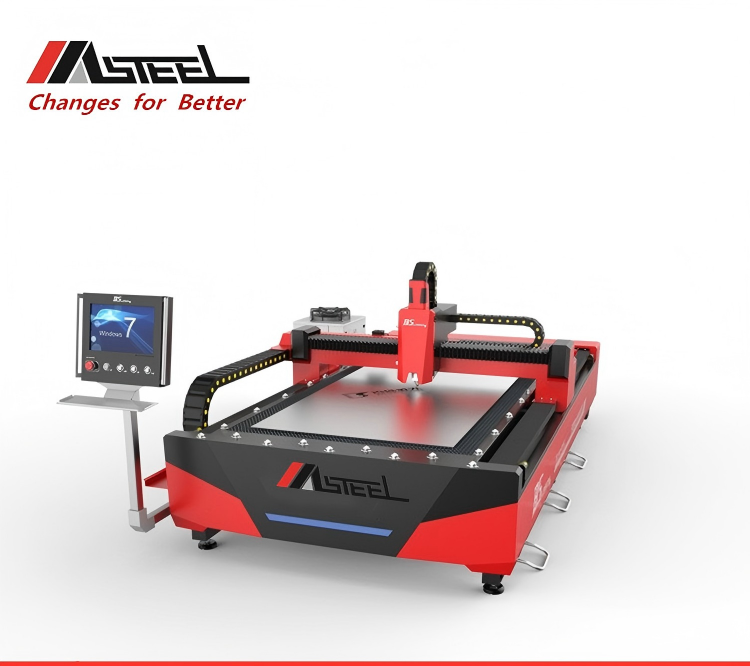
Masteel Precision CNC Laser Cutter
Best for precision sheet metal cutting and general thin-to-medium gauge production. -
Masteel Advanced Heavy-Duty Laser Plate Cutter
Better suited for buyers who expect heavier plate work and larger cutting demand. -
Masteel All-in-One Plate and Pipe Laser Cutting System
Suitable for factories that need both flat sheet and pipe processing in one solution.