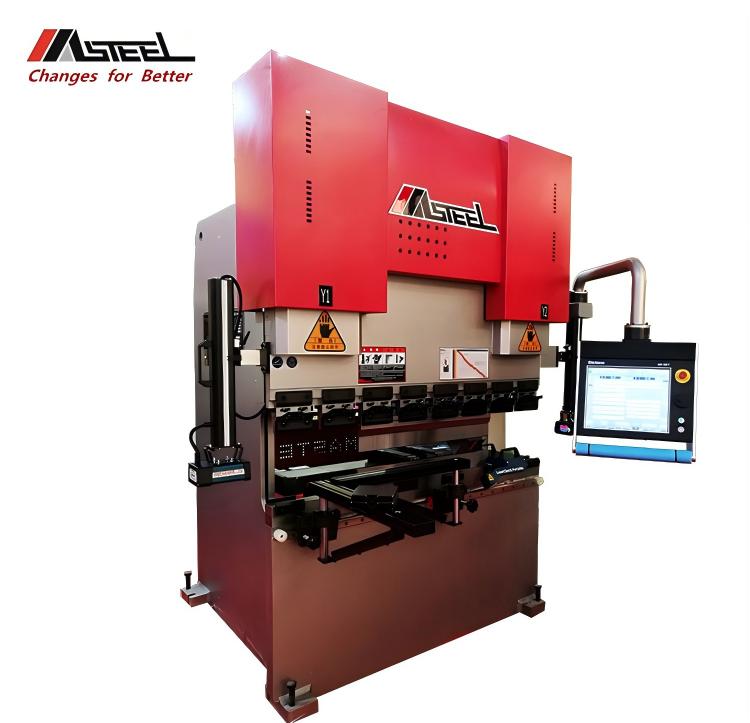
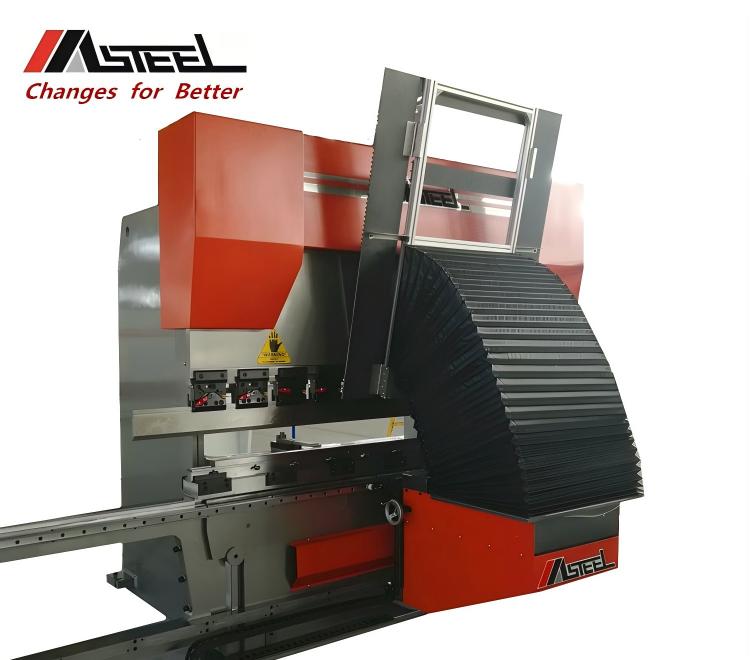
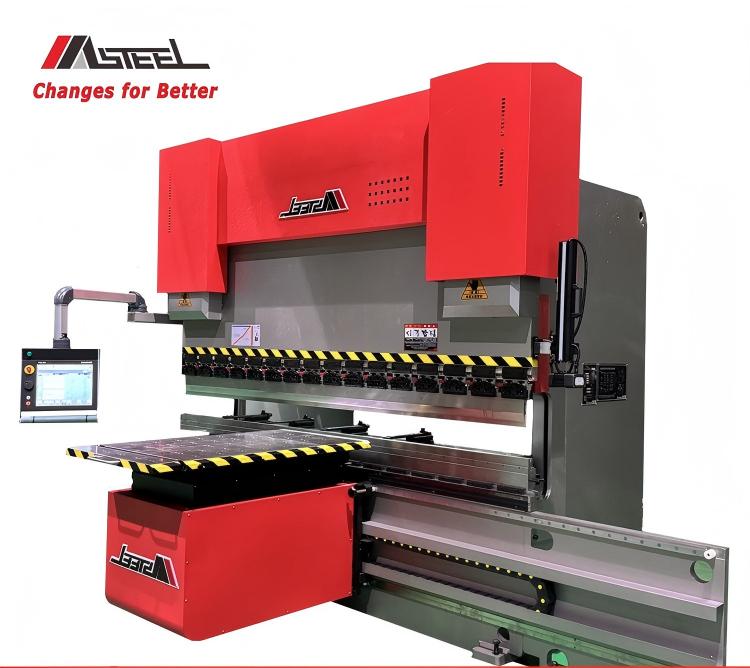
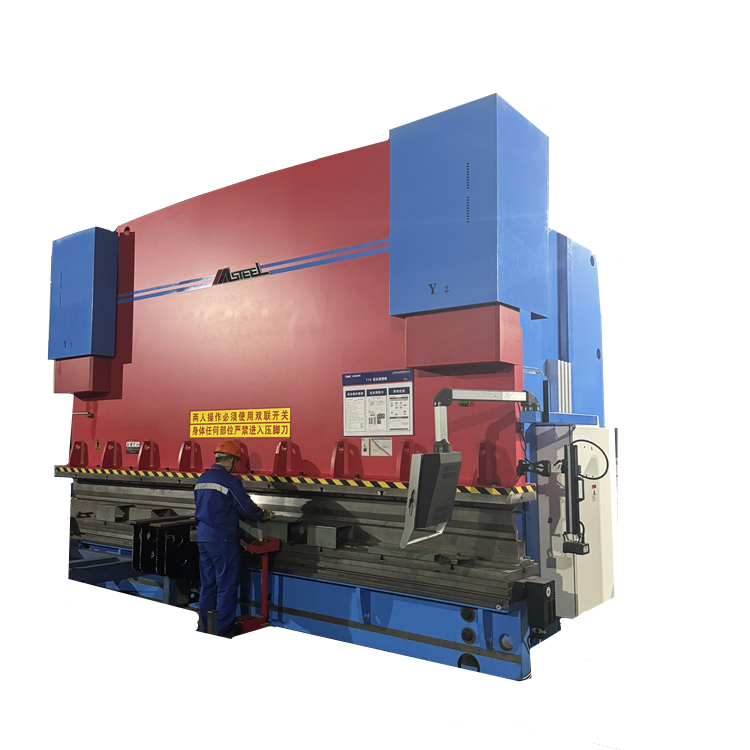
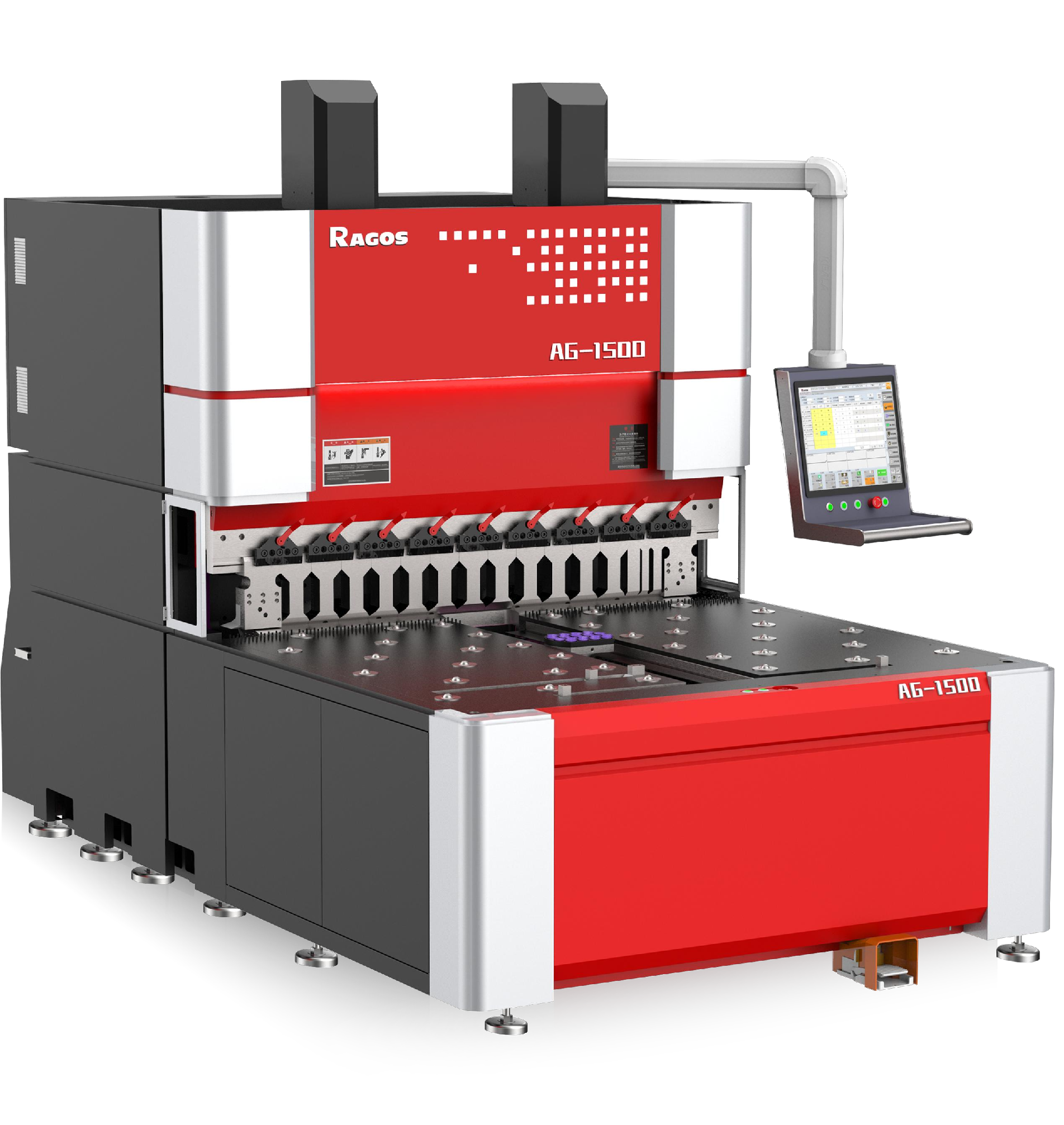
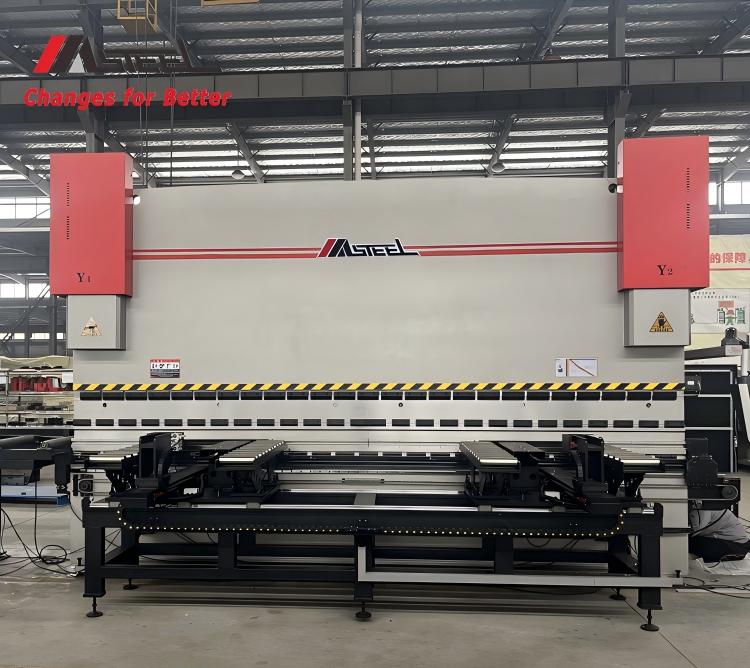
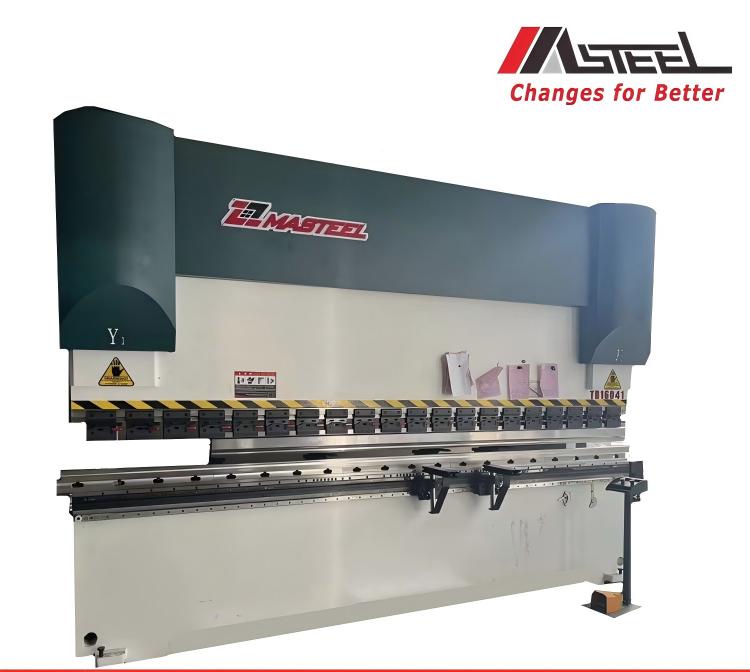
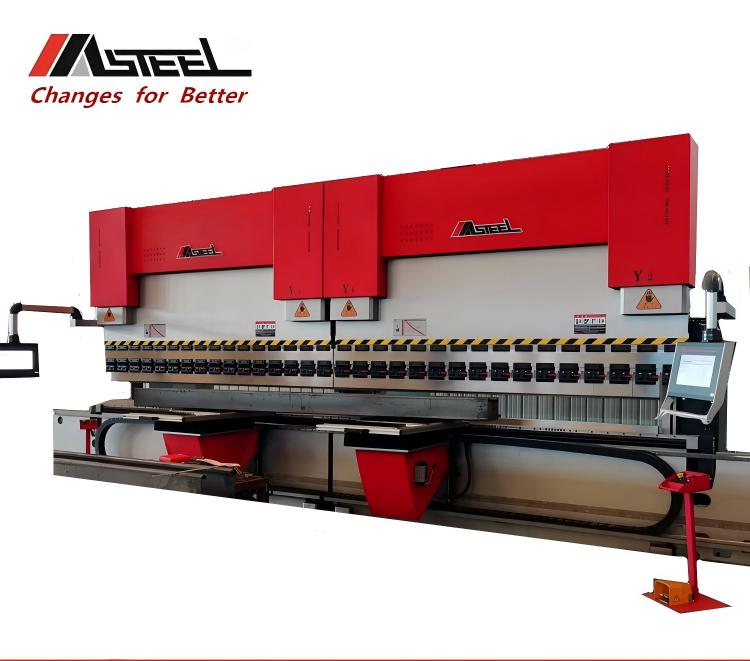
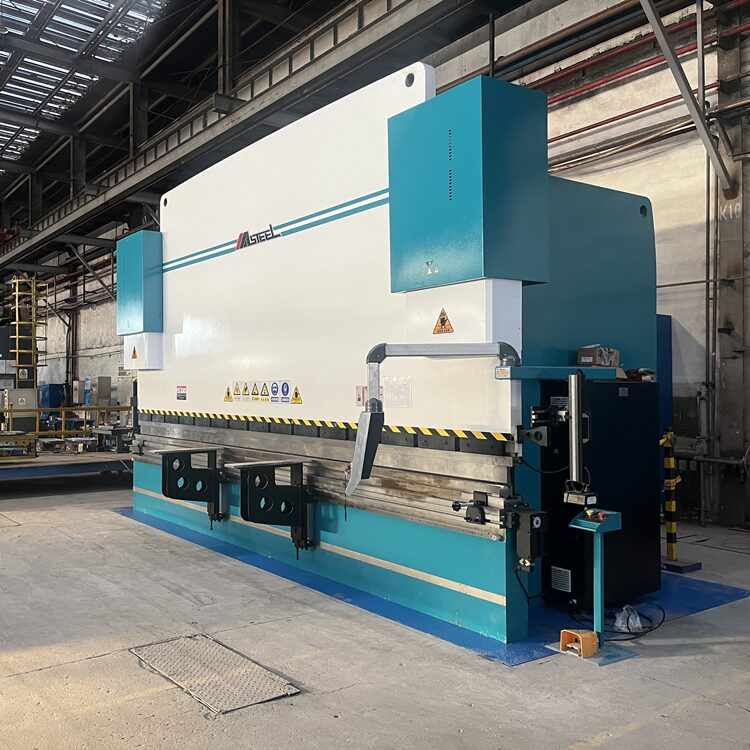
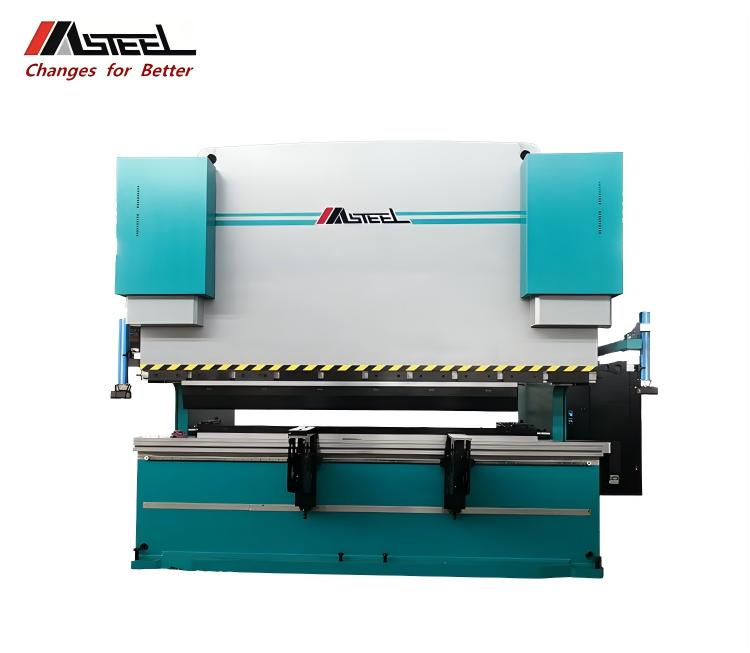
For sheet metal manufacturers, machine price is only part of the real investment decision. Over the life of a bending cell, electricity use, standby loss, oil cooling, maintenance downtime, and operator efficiency can add a significant hidden cost. That is why more buyers now compare an electric press brake with a hydraulic model not only by tonnage and accuracy, but also by operating cost. This guide explains the real energy cost difference, what drives the gap, and when each machine type makes the most sense for factories focused on efficiency and long-term return.
In many production environments, the debate is no longer simply old versus new technology. It is about matching machine architecture to actual production rhythm. A servo electric press brake can reduce wasted power dramatically in short-cycle, high-precision work, while a hydraulic machine may still be practical for heavier applications and certain budget structures. Buyers who understand how energy is consumed during the day can make a smarter decision and avoid overspending on the wrong equipment.
Why energy cost matters more than many buyers expect
When a workshop runs one shift, two shifts, or mixed-batch production throughout the week, the electricity bill becomes a meaningful part of total cost of ownership. The machine may only bend for a portion of the day, yet it may still consume power during startup, idle waiting time, pump circulation, controller operation, and auxiliary cooling. This is where the difference between an energy saving press brake design and a conventional hydraulic system becomes obvious.
In a traditional hydraulic press brake, the motor often drives the hydraulic pump continuously or for long operating periods, even when the ram is not actively forming a part. That means the machine can burn energy while the operator measures parts, changes tooling, adjusts the backgauge, or waits for the next sheet. By contrast, many electric systems use on-demand servo motion. Power is consumed mainly when the axis actually moves or applies force, which lowers idle losses and improves efficiency in stop-and-go production.
For factories with rising power prices or sustainability targets, this comparison directly affects margins. It is also increasingly relevant to companies that want a cleaner workshop, lower heat generation, and stronger green manufacturing credentials when bidding for international contracts.
Where the power goes: electric press brake vs hydraulic systems
The simplest way to compare hydraulic vs electric bending is to look at how each machine creates motion. A hydraulic press brake converts electrical energy into hydraulic pressure, then uses that pressure to move cylinders and generate bending force. This architecture is proven and robust, but every conversion step introduces losses. Pumps, valves, oil circulation, and heat dissipation all affect overall efficiency.
An electric press brake uses servo motors and mechanical transmission systems to move the ram with tighter energy control. Because the drive system only uses substantial power during active movement, press brake power consumption is often lower in intermittent production. Electric systems also avoid some of the secondary losses associated with hot hydraulic oil, cooling demand, and fluid-related inefficiency.
- Hydraulic machines often consume noticeable power during idle and standby periods.
- Electric models typically use energy more directly during actual bending cycles.
- Hydraulic systems may need additional energy for oil cooling and temperature stability.
- Electric architectures can support quieter operation and less ambient workshop heat.
- Production rhythm matters: the more stop-start behavior you have, the more electric efficiency tends to stand out.
This does not mean every electric system automatically wins in every factory. If you run very heavy tonnage jobs for long continuous periods, or if capital cost is the primary filter, the answer may be more nuanced. But for a large share of general sheet metal work, the energy advantage of electric technology is real.
Typical energy cost comparison for daily production
The exact numbers depend on tonnage, bend length, material thickness, operator habits, and local electricity price. Still, the comparison below reflects a practical pattern many buyers observe when evaluating similar-capacity machines for general fabrication work.
| Cost Factor | Electric Press Brake | Hydraulic Press Brake |
|---|---|---|
| Idle power draw | Low, because servo motion is demand-based | Higher, because pump and hydraulic system may stay active |
| Active bending efficiency | High for short and medium repetitive jobs | Good, but with conversion losses in fluid power |
| Heat generation | Lower in many applications | Higher due to oil circulation and pressure system losses |
| Cooling requirement | Usually limited | Can be higher in hot environments or long runs |
| Estimated annual electricity cost | Often 20% to 60% lower, depending on workflow | Usually higher, especially with frequent idle time |
| Environmental profile | Stronger fit for green manufacturing goals | Functional, but less efficient in many duty cycles |
For example, imagine a factory running medium-thickness steel parts with frequent setup changes and batch switching. In that case, the machine spends a meaningful part of the day waiting between active bends. A hydraulic unit still draws energy during those pauses, while an electric model largely avoids that waste. Over one year, that difference can add up to a meaningful saving, especially across multiple machines.
Beyond the electricity bill: maintenance, oil, and production environment
Energy cost should never be separated from maintenance cost. Hydraulic machines are mature and dependable, but they also involve hydraulic oil, seals, valves, hoses, and filtration. Over time, fluid contamination, leakage risk, oil replacement, and temperature management all add service effort. Those costs are not all energy costs, but they influence the real financial comparison between machine types.
An electric press brake often appeals to buyers because it reduces several indirect burdens at the same time: lower noise, less oil-related maintenance, cleaner operation, and easier support for precision repeatability in many applications. That can improve operator comfort and reduce unwanted downtime linked to fluid issues. For companies promoting lean production, the machine’s cleaner operating profile can also support plant image and standardization.
That said, a high-quality hydraulic press brake from a responsible supplier such as FANGYU can still be an excellent choice when the application demands strong forming force, broad tooling compatibility, and proven performance in heavy-duty environments. The key is not to assume one design is universally superior. It is to match the architecture to the workload.
When hydraulic still makes sense
Although electric technology is gaining attention, hydraulic machines remain highly relevant in the market. For thick plate bending, very large tonnage, long workpieces, or factories that prioritize a lower initial purchase cost, hydraulic press brakes may still provide the better balance. Many workshops already have technicians familiar with hydraulic systems, spare parts availability, and established service routines.
Hydraulic models can also be attractive when the machine will run in relatively stable, high-load production where the percentage of idle time is lower. In those cases, the energy gap may shrink compared with stop-and-go custom fabrication. Buyers should be realistic: if your workload consists mainly of heavy, continuous bending and electricity prices are moderate, the total return from going electric may take longer to realize.
This is why Fangyu Machine usually recommends evaluating four factors together before buying:
- actual daily duty cycle and idle time
- material range and required tonnage
- local electricity cost and sustainability targets
- maintenance capability inside your workshop
How buyers can estimate return on investment accurately
To compare options properly, ask the supplier for realistic power data instead of relying only on brochure claims. Buyers should request installed motor power, typical operating consumption, standby behavior, and any recommended cooling load. Then compare those figures against your planned production schedule.
A useful evaluation method is to calculate annual machine hours in three categories: active bending time, setup/changeover time, and idle waiting time. If the machine is idle or semi-active for a large part of the day, the benefit of a servo-based electric system becomes easier to justify. Also include non-energy items such as oil service, filter replacement, leak risk, environmental housekeeping, and downtime exposure.
- Ask for consumption data under real production conditions, not only peak values.
- Compare one year and three year operating cost, not just purchase price.
- Check whether the machine supports your precision, speed, and tooling requirements.
- Factor in maintenance labor, oil handling, and workshop cleanliness.
- Use your own electricity tariff to model the real cost difference.
For many export-oriented manufacturers, the result is clear: a well-specified electric machine improves operating efficiency and supports branding around modern, responsible manufacturing. But for others, a modern hydraulic press brake from Fangyu may still deliver the most practical value. The smarter choice is the one that fits production reality, not the one with the loudest marketing language.
Frequently Asked Questions
Is an electric press brake always cheaper to operate?
Not always in every scenario, but in many general fabrication shops it is cheaper to operate because idle losses are lower and energy use is more demand-based. The savings are usually strongest when production includes frequent pauses, setup changes, or mixed batches.
How big is the energy difference between hydraulic and electric models?
The exact gap depends on machine size and usage, but many buyers see meaningful savings over time. In suitable workflows, annual electricity cost can be noticeably lower with an electric press brake than with a hydraulic machine of similar working capacity.
Does hydraulic technology still have advantages?
Yes. Hydraulic systems remain highly useful for heavy-duty applications, large tonnage, and factories that want proven technology with a lower initial investment threshold. The right answer depends on the parts you make and how the machine is used each day.
How can Fangyu help with machine selection?
Fangyu Machine can help compare capacity, production rhythm, tooling, energy use, and budget so buyers choose the right bending solution instead of chasing specifications that do not match the real workshop requirement.
Conclusion: choose the machine that fits your production economics
The real comparison between an electric press brake and a hydraulic model is not just about technology preference. It is about lifetime operating economics. If your factory values low idle loss, clean operation, reduced maintenance burden, and efficient stop-start production, an electric press brake may offer a compelling advantage. If your work centers on high tonnage, long heavy runs, or a tighter purchase budget, a hydraulic machine may still be the smarter investment.
Need help comparing machine options for your factory? Contact Fangyu Machine for expert advice on electric and hydraulic press brakes, energy cost planning, and complete sheet metal production solutions.