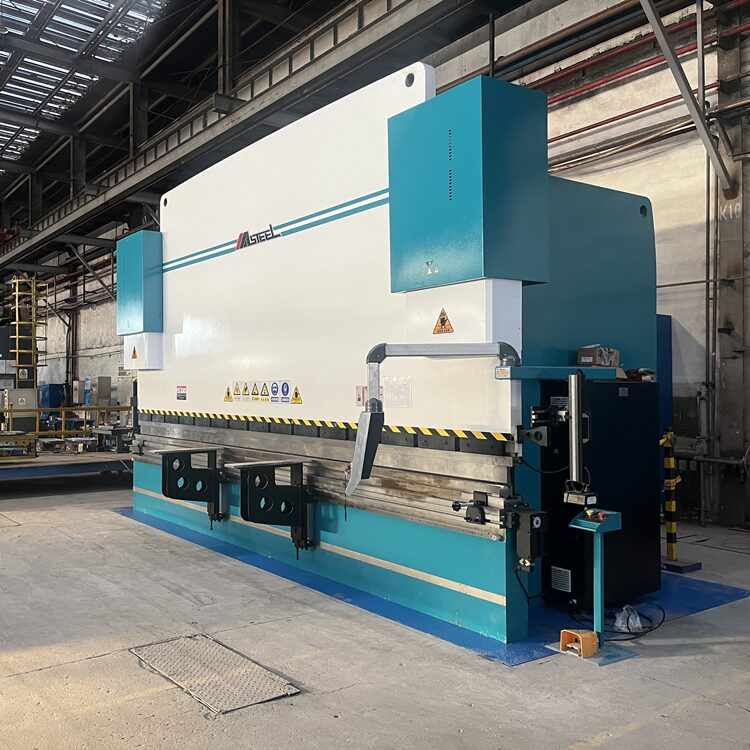
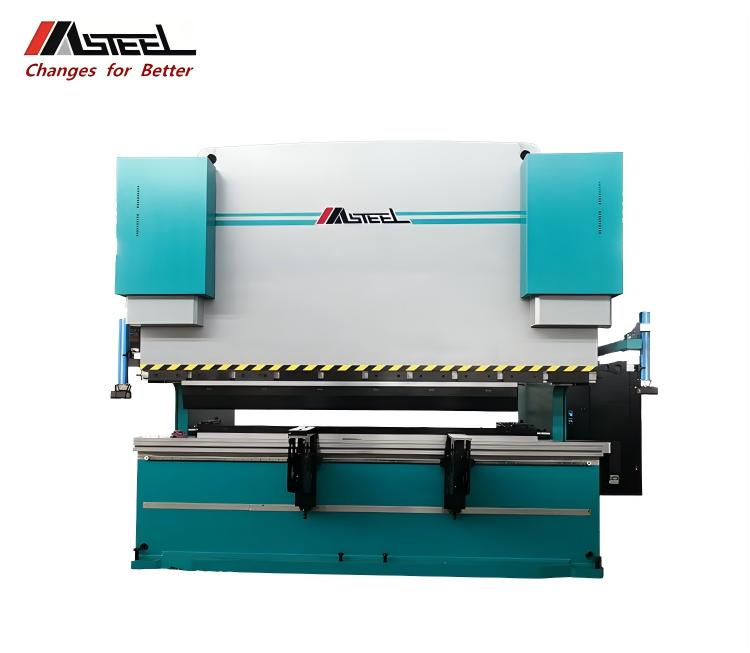
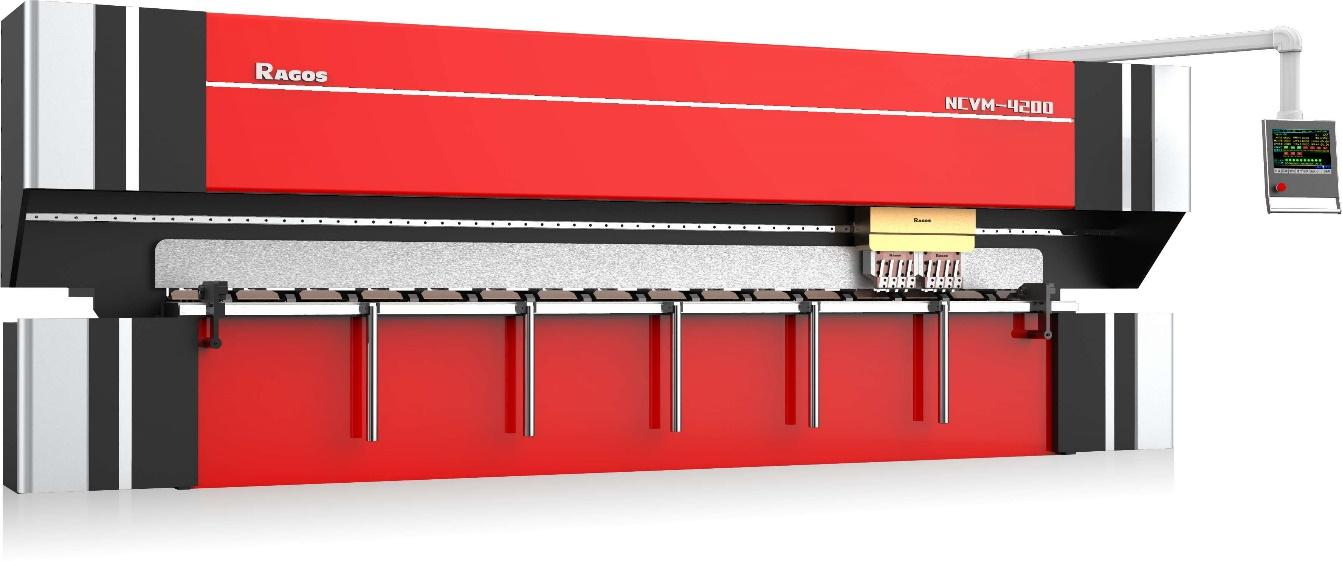
When an overseas buyer signs a purchase order for a CNC press brake or laser cutting machine, the machine is still at the manufacturer's facility — sometimes thousands of nautical miles away from the buyer's factory floor. The buyer cannot watch every step of production. They cannot inspect the welding, verify the alignment, or run a test bend before the machine is crated and loaded onto a container vessel.
That is why pre-delivery testing matters. It is the seller's opportunity — and obligation — to demonstrate that the machine is ready before it leaves the factory. A rigorous testing protocol protects the buyer from receiving equipment with hidden defects, incorrect configurations, or substandard performance. At Fangyu, every CNC machine undergoes a structured pre-delivery testing sequence before it is approved for shipping. This article explains exactly what that process looks like.
Why Pre-Delivery Testing Cannot Be Skipped
A CNC machine that fails at the buyer's factory causes more than financial loss. It delays production schedules, damages the buyer's relationship with their own customers, and creates expensive rework situations — often with spare parts that must be shipped internationally at significant cost and lead time.
Common issues discovered after delivery that could have been caught during pre-delivery testing include:
- incorrect ram alignment affecting bend angle accuracy
- backgauge positioning errors causing dimensional inconsistency
- laser cutting head misalignment producing poor cut quality
- control system parameter mismatches with the ordered specification
- faulty hydraulic seals causing pressure instability
- missing or damaged tooling accessories
Pre-delivery testing costs time and labor at the factory. However, it is far cheaper than troubleshooting and rectifying problems after the machine has crossed an ocean.
Fangyu's Pre-Delivery Testing Sequence
Stage 1 — Component Inspection Before Assembly
Before the machine is assembled, each major component is individually inspected:
- Frame and column welds are checked for porosity, incomplete penetration, and structural integrity
- Hydraulic cylinders are pressure-tested to rated working pressure and held for stability
- Servo and motor drives are bench-tested for correct rotation direction and current draw
- Electrical cabinets undergo insulation resistance testing and continuity checks
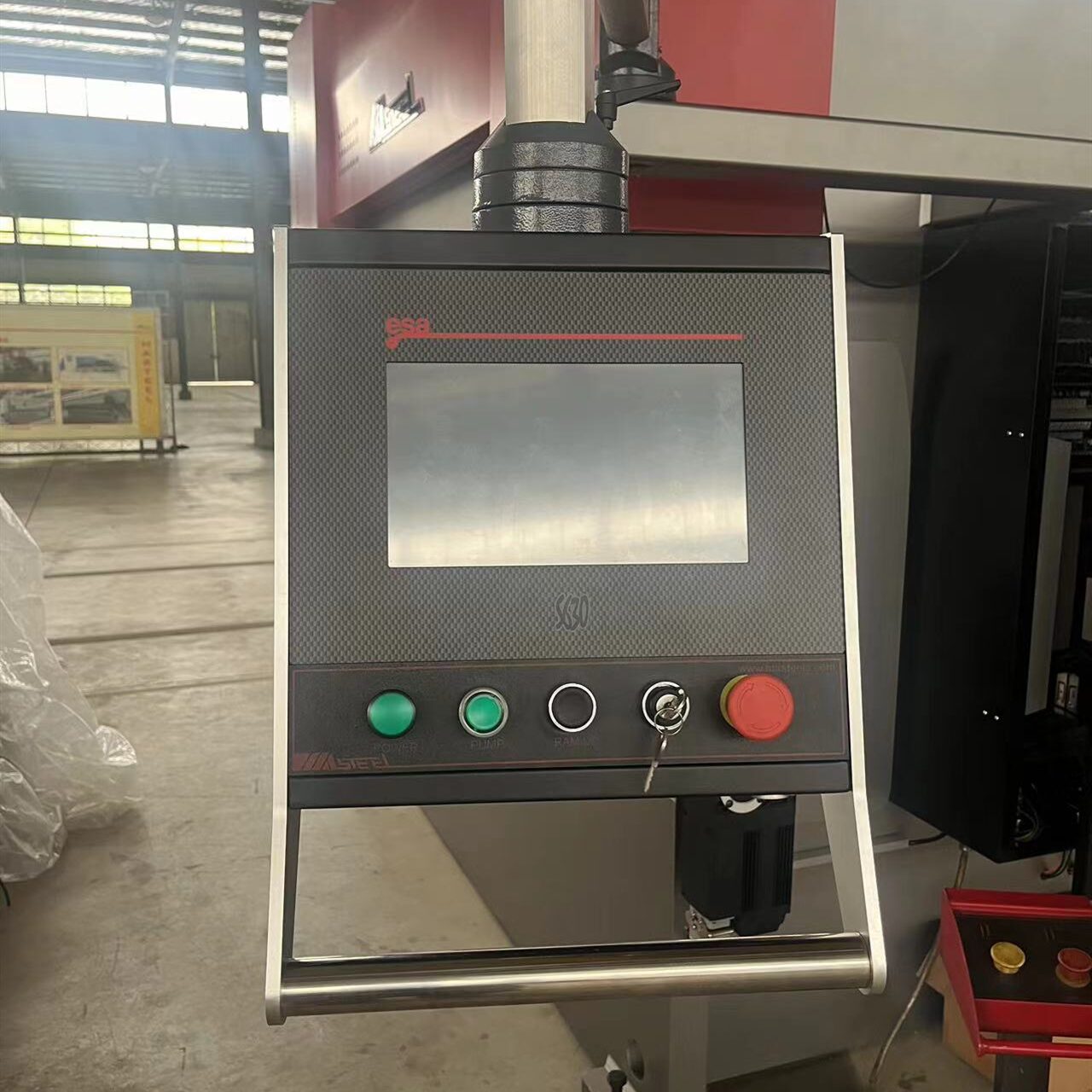
- Control system parameters are verified against the purchase order specification
Any component that does not meet tolerances is rejected and replaced before assembly proceeds.
Stage 2 — Assembly Verification
During machine assembly, inspectors verify:
- Alignment of the ram to the worktable (perpendicularity and parallelism)
- Installation of all bolts and fasteners to specified torque values
- Proper routing and connection of hydraulic hoses and electrical conduits
- Correct installation of safety devices, limit switches, and emergency stops
- Lubrication system functionality for all designated points
Assembly inspection is documented on a checklist that becomes part of the machine's quality record file.
Stage 3 — Function Test Without Load (Dry Run)
Once assembled, the machine is powered on for a dry-run test:
- The CNC control system boots and all axis jog commands are verified
- Ram stroke, home return, and emergency stop functions are tested
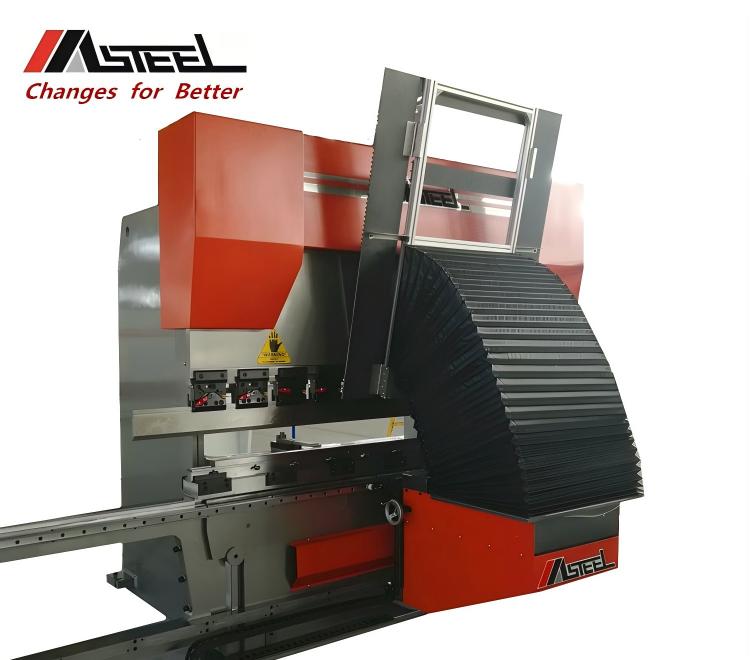
- Backgauge X and R axes move through their full travel range
- Tool clamping and release mechanisms operate correctly
- Hydraulic system reaches rated pressure and holds steady
- Laser cutting head initializes and the chiller activates correctly
- Software, firmware version, and language settings are confirmed against the order
Stage 4 — Load Test With Material Samples
This is the most critical test stage. The machine processes actual sheet metal samples:
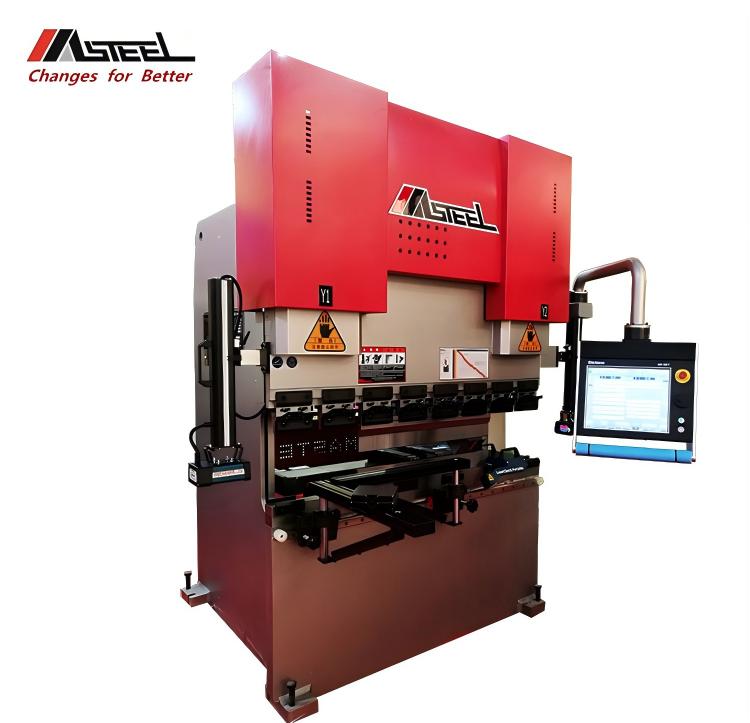
For Press Brakes:
- Test bends are performed at multiple positions along the bending length
- Angles are measured with a protractor or angle meter and recorded
- Springback is measured and the compensation value is verified
- Repeatability is tested by running the same bend three to five times consecutively
- The backgauge is verified for positioning accuracy at multiple target positions
- Dimensional measurements of the finished sample parts are recorded
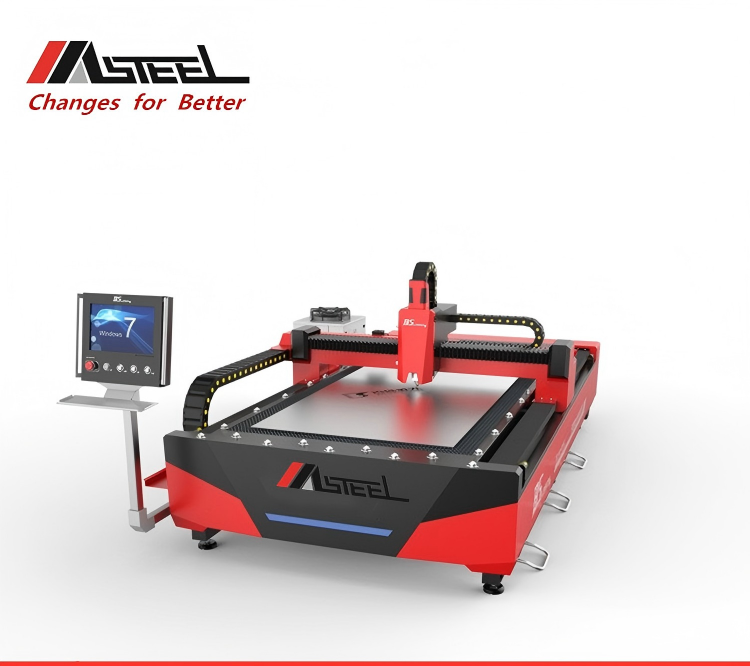
For Laser Cutting Machines:
- Cutting tests are run on the specified material type and thickness from the order
- Edge quality is inspected for dross, roughness, and kerf consistency
- Positional accuracy is verified by measuring hole diameters and slot dimensions
- The cutting head's focal point is confirmed and the auto-focus function is tested
- The assist gas pressure and cutting speed settings are optimized for the test material
- The nesting software tool path is verified for correct pierce points and lead-ins
Stage 5 — Packing Inspection
Before packing, a final inspection confirms:
- Machine surfaces are clean and free of machining debris, coolant, or oil
- Rust preventive oil is applied to bare metal surfaces
- All loose parts, tooling, and accessories are inventoried and packed separately
- The packing list matches the actual contents of the container
- Photos are taken of the packed machine from all angles
What Documents Does Fangyu Provide After Testing?
After the machine passes all testing stages, the following documents are compiled and sent to the buyer:
| Document | Purpose |
|---|---|
| Pre-delivery test report | Records test conditions, materials used, and measurement results |
| Machine specification sheet | Confirms the as-tested machine matches the purchase order |
| Photos of test pieces | Visual proof of bending accuracy or cutting quality |
| Quality inspection sign-off | Authorized by Fangyu's QC engineer and workshop supervisor |
| Machine serial number record | Used for warranty registration and spare parts ordering |
| Video recording of load test | Available on request — shows the machine running before packing |
These documents help the buyer verify that the machine dispatched is the same machine they ordered, and provide a baseline for performance comparison when the machine is installed at their factory.
How Long Does Pre-Delivery Testing Take?
Pre-delivery testing typically adds 3 to 5 business days to the production lead time, depending on machine type and order complexity:
| Machine Type | Typical Test Duration |
|---|---|
| CNC Hydraulic Press Brake (up to 3200mm) | 3–4 business days |
| Large Press Brake (above 3200mm or high tonnage) | 4–6 business days |
| Fiber Laser Cutting Machine (up to 6kW) | 2–3 business days |
| High-Power Laser Cutting Machine (above 12kW) | 3–4 business days |
If the buyer specifies a material type or thickness that requires specific tooling or test conditions, additional time may be needed. Fangyu notifies the buyer if any scheduling change occurs.
Can Buyers Witness Testing or Request Specific Tests?
Yes. Buyers may request one of the following:
Option A — Remote Video Witness Testing Fangyu records a video of the load test and shares it via WeTransfer or email before the shipping date. This allows the buyer to see the machine running without traveling to China.
Option B — Live Video Call During Testing The buyer's representative joins a video call during the test run. The Fangyu technician walks through each test stage in real time and answers questions.
Option C — Third-Party Inspection The buyer arranges a third-party inspection agency (such as SGS, Bureau Veritas, or CCIC) to witness the test at Fangyu's factory. Fangyu provides full access and cooperation. Inspection fees are borne by the buyer.
Option D — On-Site Witness Testing at Our Factory For buyers already in China or planning a factory visit, Fangyu welcomes clients to witness testing in person. This must be arranged in advance with at least 10 business days' notice.
How This Protects Your Import Project
Pre-delivery testing is not just a quality check — it is a risk management step for the buyer. By receiving documented test results and visual evidence before the machine ships, you gain:
- Confidence that the machine meets your order specifications
- Evidence to support any claim if the machine underperforms after arrival
- Reference data for comparing installation results against the factory baseline
- Reduced risk of production delays caused by discovered defects
Fangyu maintains quality records for every machine for a minimum of 36 months after delivery. If an issue arises during installation or early operation, the test data helps identify whether the issue was pre-existing or occurred during shipping or installation.
CTA
Planning to import a CNC press brake or laser cutting machine? Ask about our pre-delivery testing protocol before you sign the purchase order.
Before requesting a quotation, please share the following details so our engineers can confirm the right configuration for your project:
- Material type you plan to process
- Material thickness range
- Working size (bending length for press brakes; sheet dimensions for laser cutting)
- Drawing or sample part (even a sketch with key dimensions helps)
- Destination country and nearest port
- For press brake inquiries: estimated bending length and required tonnage
- Any specific test requirements (such as third-party inspection or video witness)
With this information, we can confirm lead time, testing schedule, and shipping options for your project.
- Get a Quote Now(https://fangyucnc.com/?pages_6/)
- Talk to Us on WhatsApp(https://api.whatsapp.com/send?phone=+8615009731608)
Related Machines
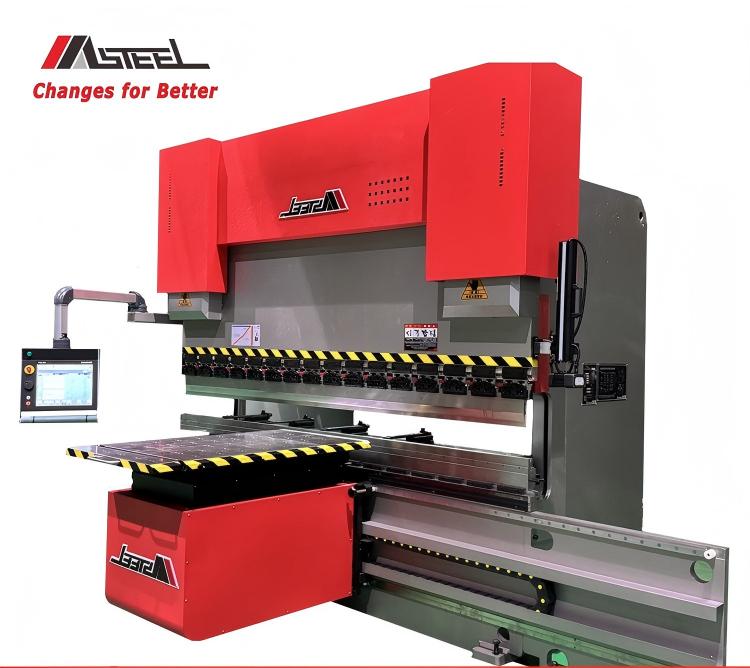
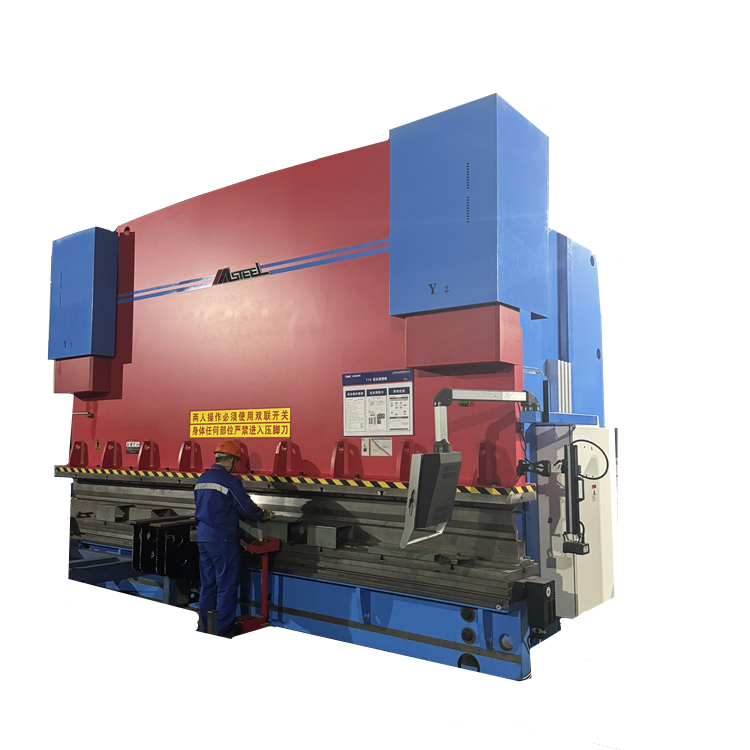
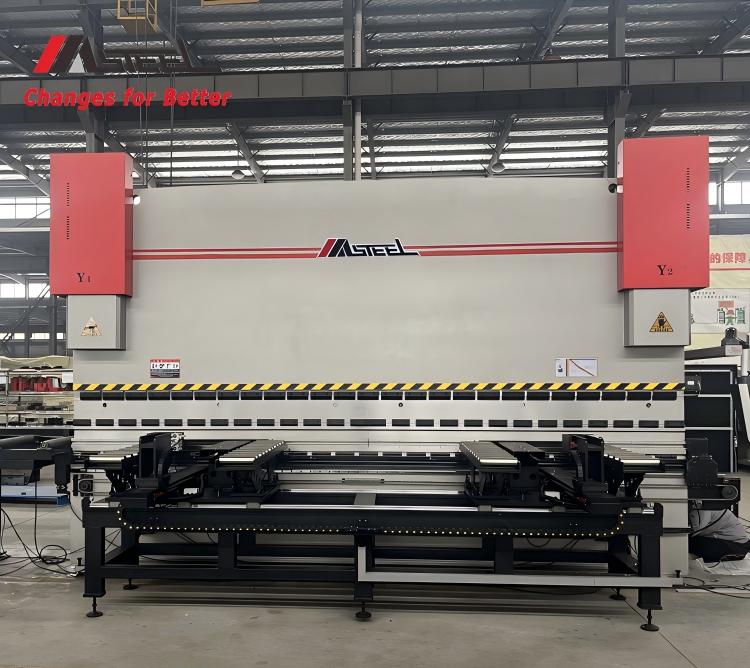
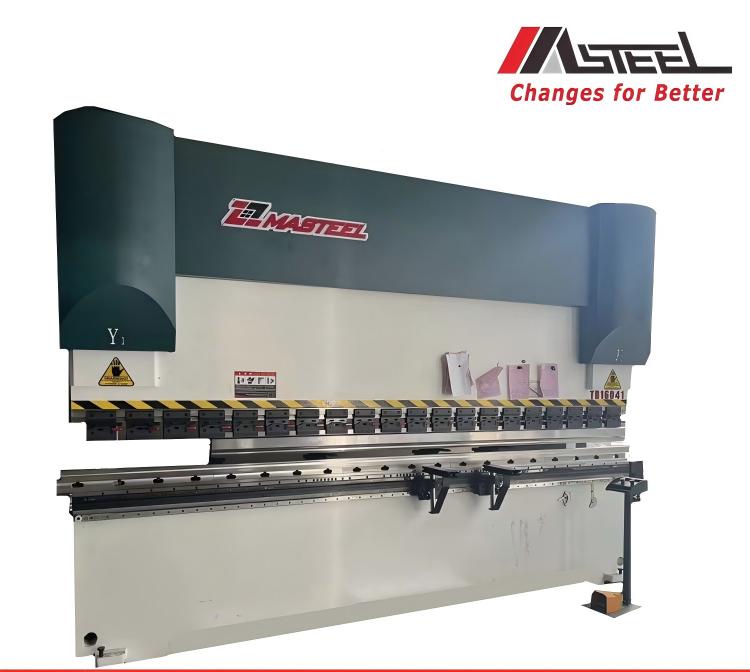
- Masteel 10041 Electro-Hydraulic Synchronized CNC Press Brake
- Shows the kind of press brake platform that benefits from documented angle, repeatability, and load testing before shipment.
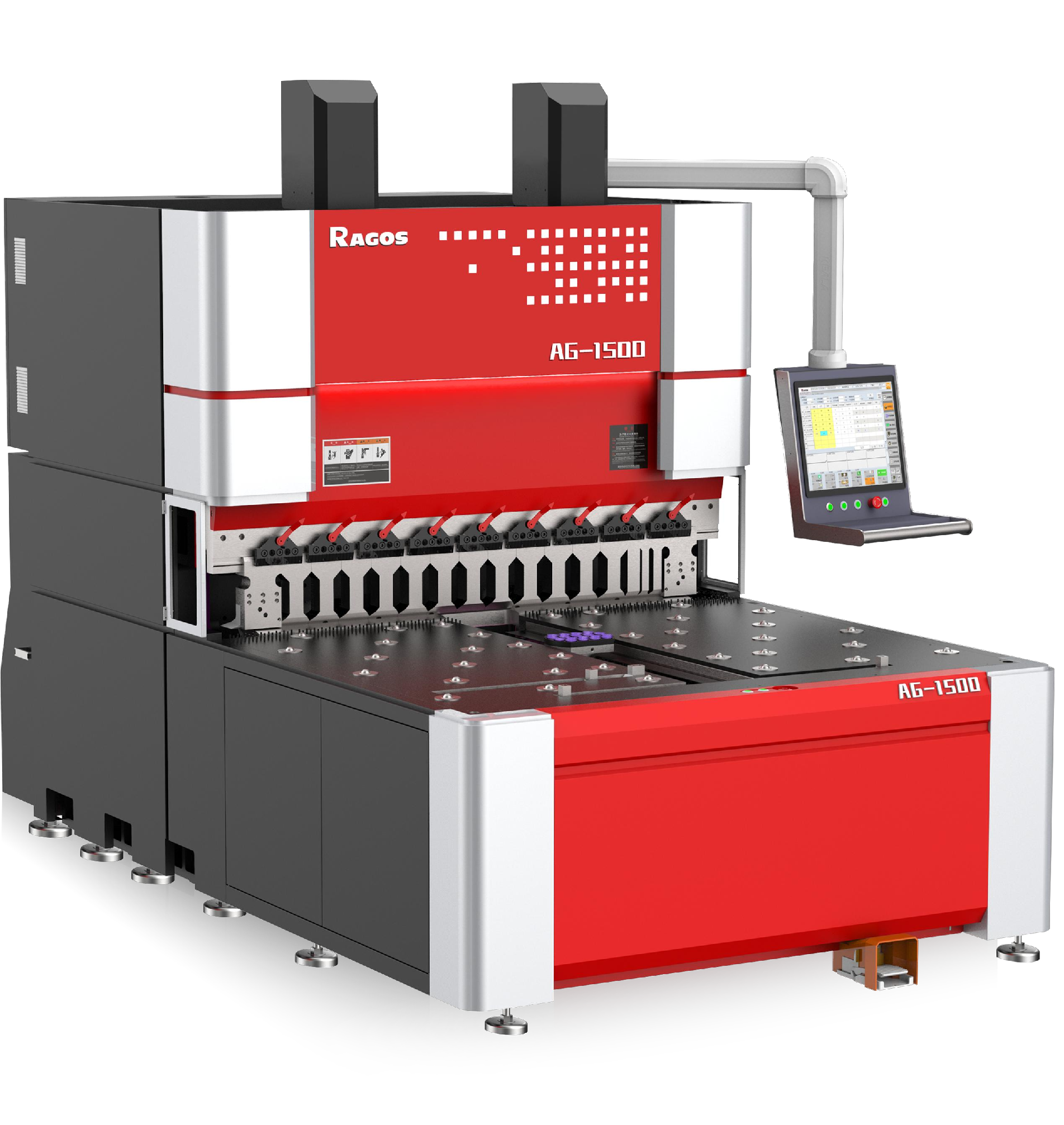
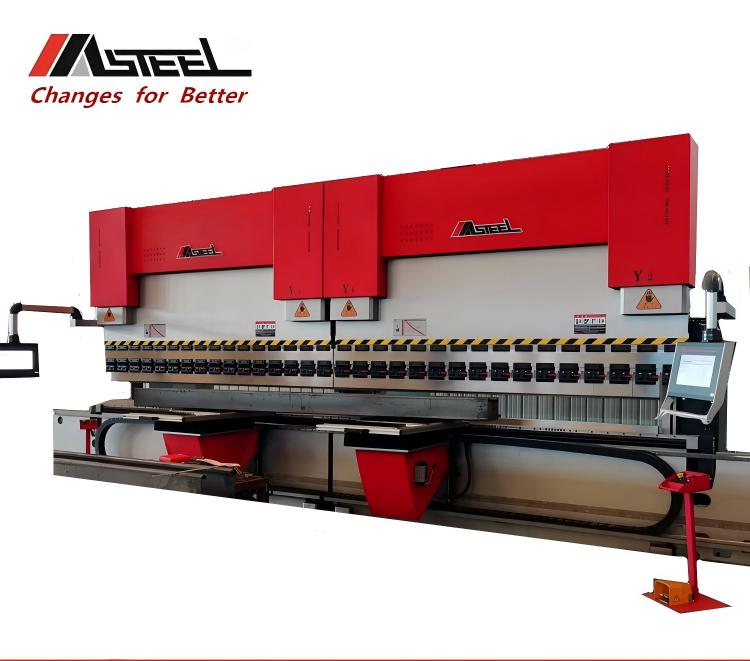
- Masteel 05020 Oil-Electric Hybrid CNC Press Brake
- A hybrid press brake reference for buyers who want repeatability plus pre-delivery verification before export.
- Fiber Laser Cutting Machine
- Fangyu fiber laser machines also go through functional checks, cutting validation, and export-readiness review before shipment.