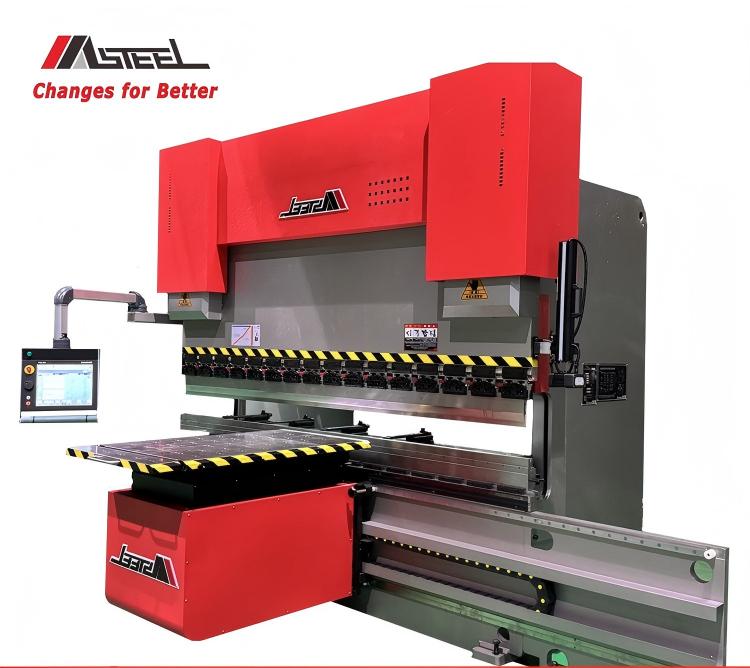
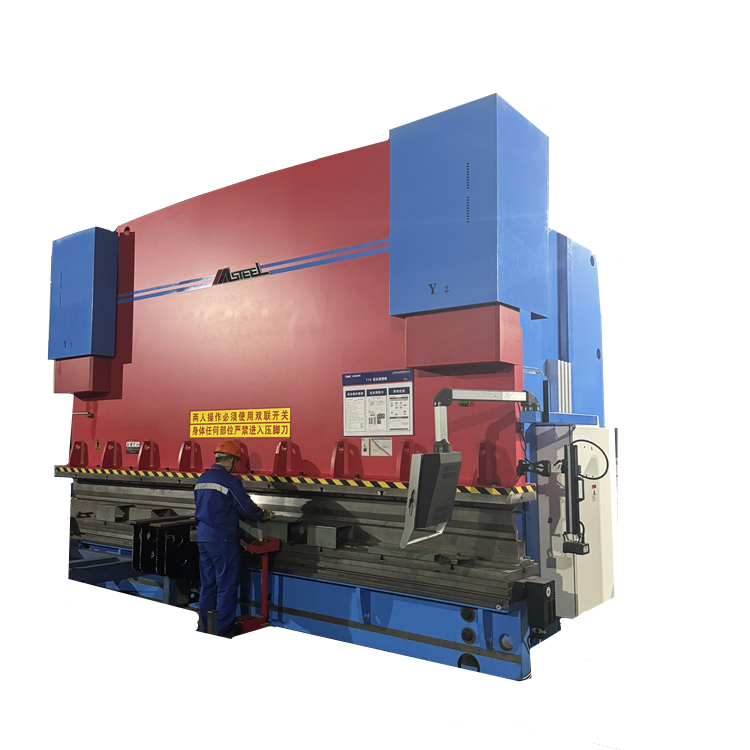
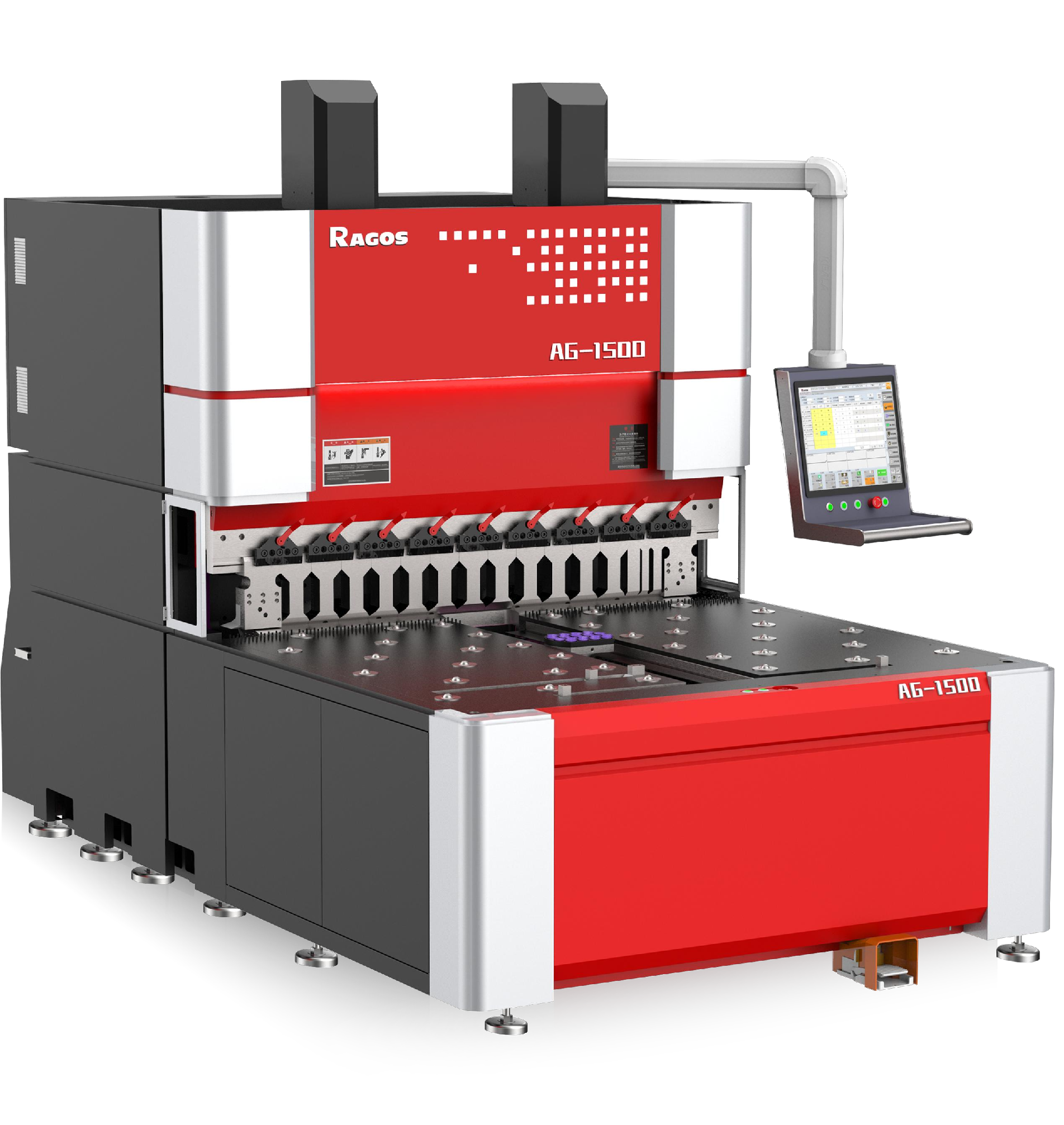
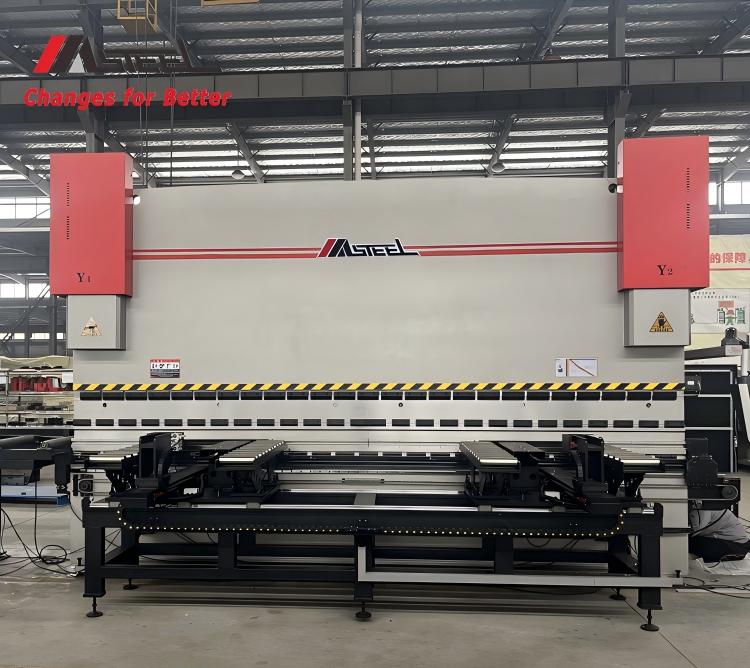
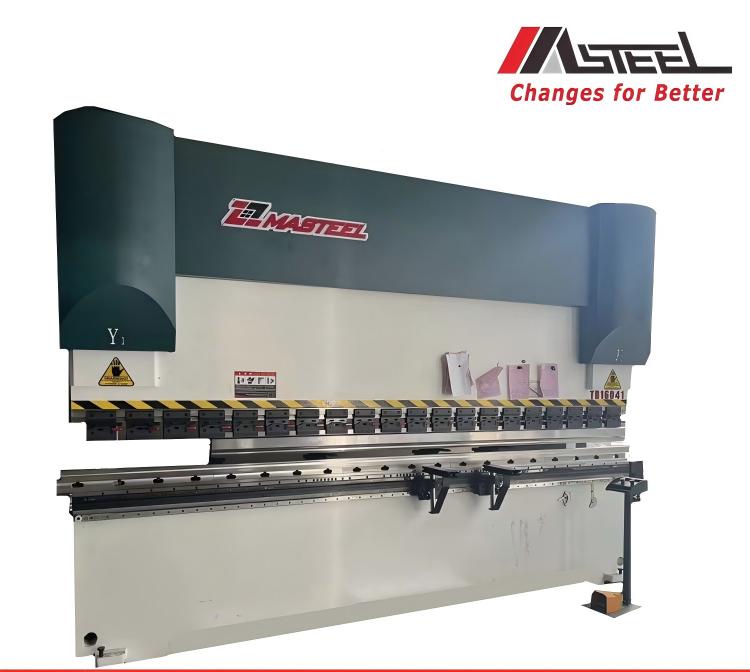
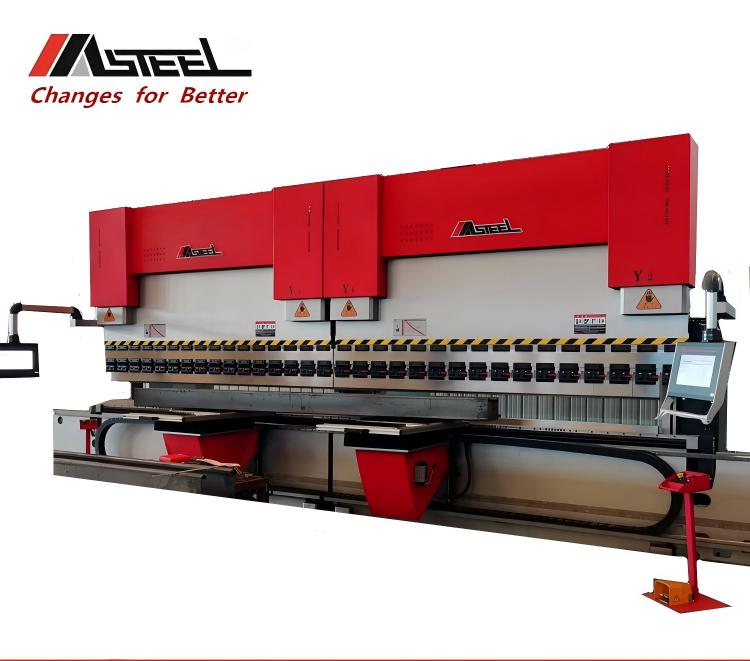
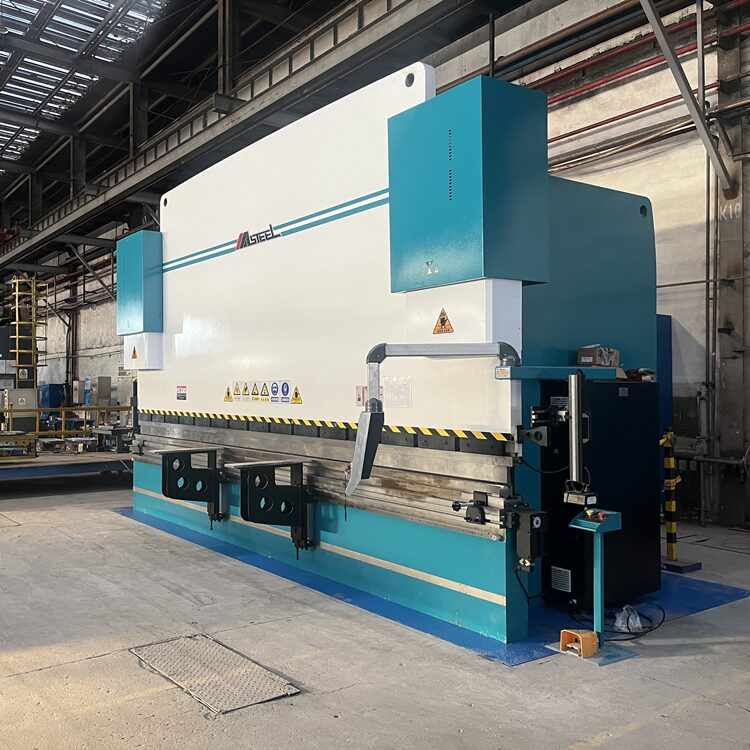
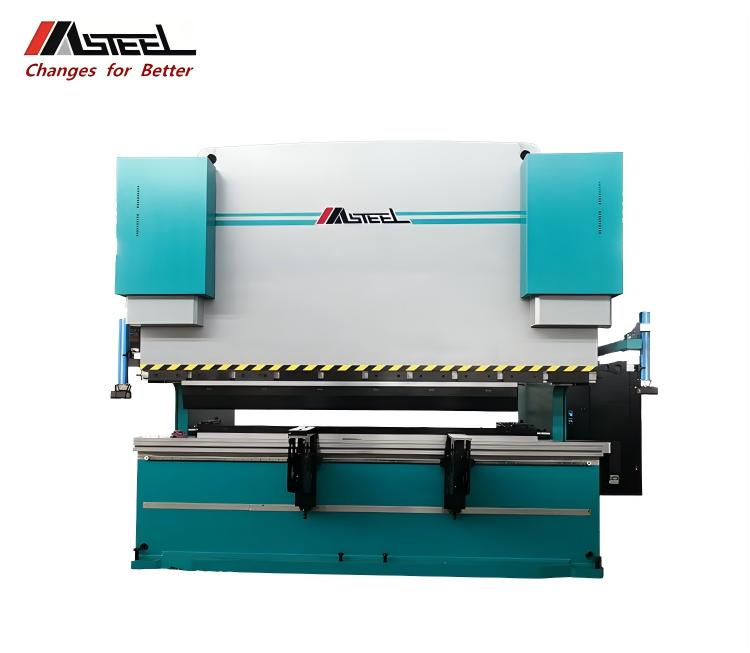
Stainless steel bending is one of the most demanding operations in modern sheet metal fabrication. Prized for its corrosion resistance, strength, and clean aesthetic, stainless steel nonetheless challenges even experienced press brake operators with cracking, tearing, and springback issues that rarely affect mild steel. The good news: with the right techniques, tooling, and machine setup, you can consistently achieve clean, crack-free bends. In this expert guide, FANGYU walks you through every critical factor for press brake stainless success.
Why Stainless Steel Is Tricky to Bend
Unlike mild steel, stainless steel has a higher chromium content that gives it its signature corrosion resistance — but also makes it more prone to cracking at the bend line. The material work-hardens rapidly during deformation, meaning the area near the bend becomes significantly harder and less ductile. If the bend radius is too tight, micro-cracks form on the outer surface of the bend. These may not be visible to the naked eye, but they compromise structural integrity and corrosion resistance. Springback in stainless steel is also approximately 1.5× to 2× greater than in mild steel of equivalent thickness, making accurate springback compensation essential for hitting target angles in bending stainless sheet workflows.
Choose the Right Die Opening (V-Die Width)
Die opening is one of the most critical factors in successful stainless steel bending. Using a V-die that is too narrow concentrates stress on a tight radius, increasing cracking risk. A general rule of thumb for stainless is to use a die opening that is at least 6× the material thickness. For example, bending 3 mm stainless requires a 20 mm V-die or wider — not the 12–16 mm die that might work fine for mild steel at the same thickness.
- Thin stainless (0.5–2 mm): 6–8× die opening ratio for gentle bends
- Medium thickness (2–4 mm): 8–10× die opening ratio for standard bends
- Heavy plate (4 mm+): 10–12× die opening ratio; consider a segmented die
Wider die openings reduce bend severity, lower required tonnage, and dramatically reduce the risk of surface cracking on the outer fiber of the bend.
Set the Correct Bend Radius
The minimum bend radius for stainless steel depends on the specific grade you are working with. As a baseline, the inside bend radius should be no tighter than 1× the material thickness for austenitic grades like 304 and 316 stainless. Attempting a zero-radius bend on stainless will almost always result in cracking — there is no shortcut here.
| Stainless Grade | Min. Inside Bend Radius | Typical Applications |
|---|---|---|
| 304 Stainless Steel | 1× material thickness | General fabrication, tanks, pipes |
| 316 Stainless Steel | 1–1.5× material thickness | Marine, medical, chemical |
| 430 Stainless Steel (ferritic) | 0.5–1× material thickness | Automotive trim, appliances |
| 301 Stainless Steel (high strength) | 1.5–2× material thickness | Structural parts, springs |
Account for Springback Compensation
Springback is the elastic recovery of the material after bending pressure is released. For press brake stainless applications, springback must be anticipated and compensated for — otherwise finished parts will be out of spec. A practical approach is to overbend by 5–15 degrees beyond the target angle, depending on the material grade and thickness.
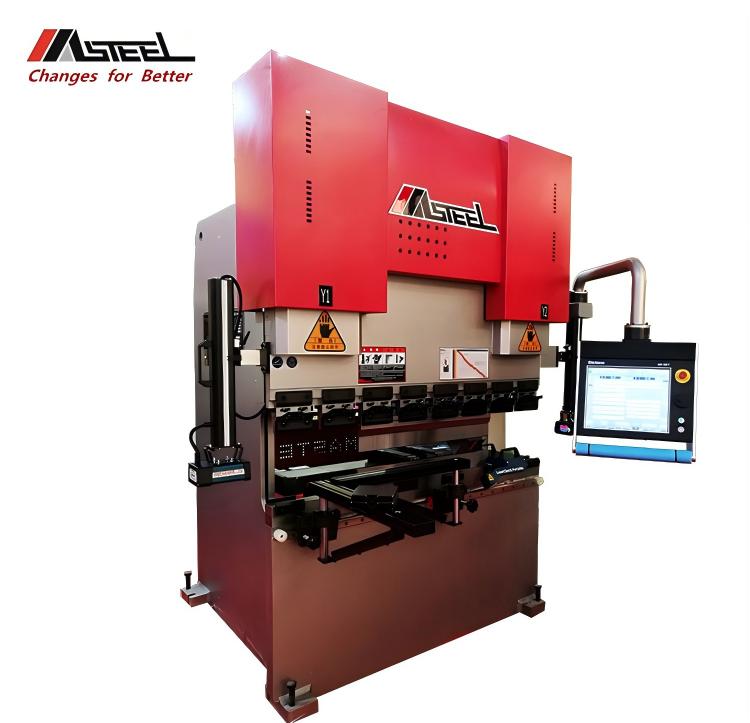
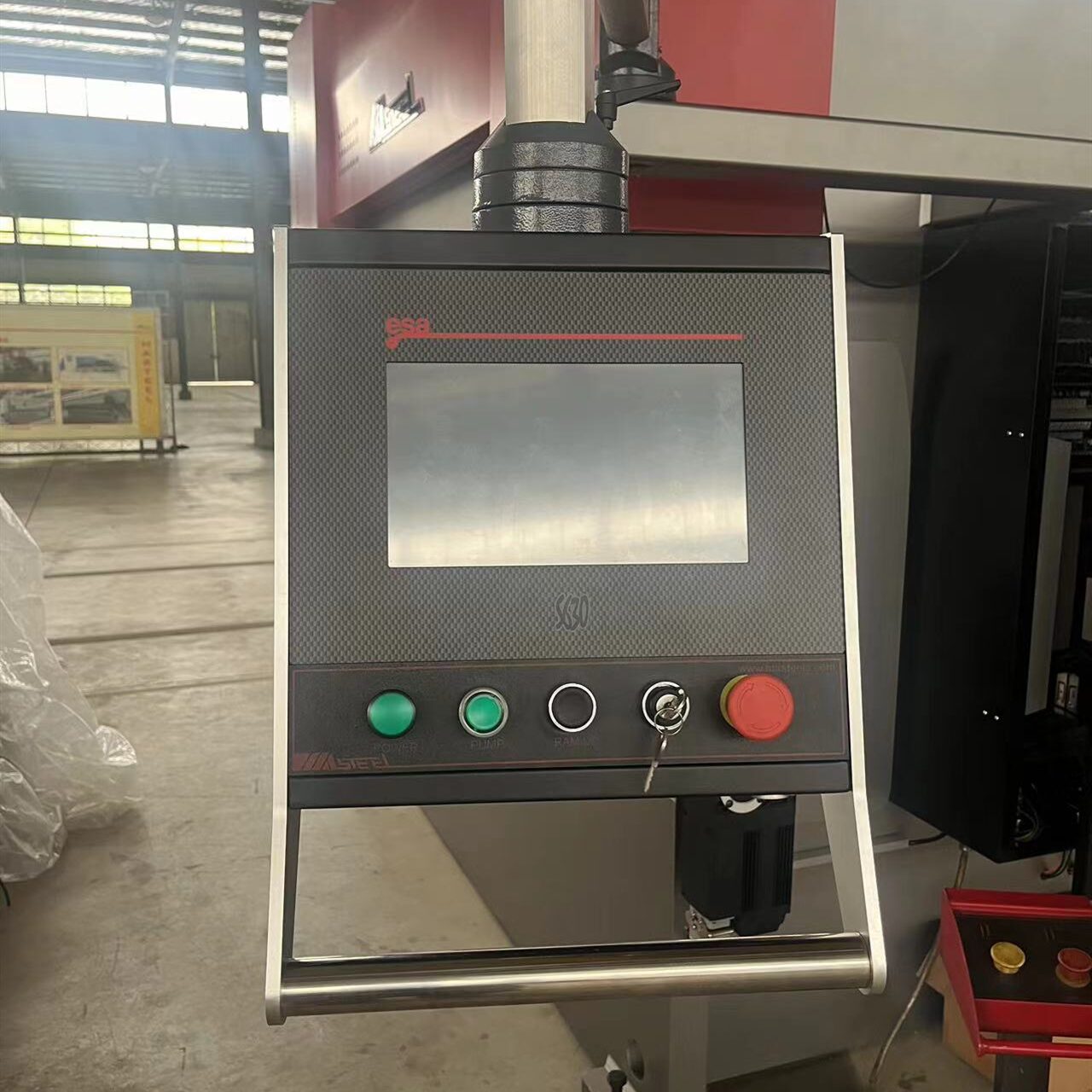
Modern CNC press brakes like FANGYU's DA-66T and DA-69T-equipped machines allow you to program springback compensation directly into the bending sequence, making it easy to maintain angle accuracy across large batch runs. Always test on a scrap piece before running production, especially when switching between stainless grades.
Mind the Grain Direction
Grain direction bending is a frequently overlooked factor that can make or break a stainless bending operation. Stainless steel sheets are rolled, which gives them a directional grain pattern. When you bend perpendicular to the grain (across the rolling direction), the material is more likely to crack at the outer radius of the bend. Whenever possible, bend parallel to the grain direction for the most ductile, crack-resistant result.
When part designs require bends in both directions, prioritize the tighter bend to be made parallel to the grain. If cracks appear inconsistently across a batch — on some parts but not others — grain orientation is one of the first variables to investigate. Mark the rolling direction on your sheets before loading them into the press brake to eliminate this source of variability.
Optimize Bending Force and Machine Setup
Bending force for stainless is approximately 60–70% higher than for mild steel of the same thickness. Always consult the tonnage chart for your specific press brake and confirm your machine has adequate capacity before running a heavy stainless job. Overloading risks both machine damage and poor-quality parts.
The punch nose radius should be generous and well-polished to avoid local stress concentrations on the stainless surface. FANGYU's hydraulic press brakes with crowning systems allow you to fine-tune force distribution across the full bend length, which is especially valuable for long parts where material deflection can cause angle variation from center to ends.
Use the Right Lubrication and Surface Protection
Lubrication during bending reduces friction, minimizes heat buildup, and helps prevent surface scratches on the bending stainless sheet surface. Always use a non-chlorinated lubricant — chlorinated lubricants can cause stress corrosion cracking in stainless steel, particularly in the 300-series grades. Apply lubricant sparingly to the bend area and wipe clean after bending.
Keep protective film on stainless sheets as long as possible during handling and bending to guard against scratches from tooling or work rests. Surface scratches on the finished part can become corrosion initiation points, defeating the purpose of using stainless in the first place.
Frequently Asked Questions
What causes cracking when bending stainless steel on a press brake?
The primary cause is a bend radius that is too tight for the material's ductility. Stainless steel work-hardens rapidly at the bend, and a sharp radius creates micro-cracks on the outer surface. Always maintain at least a 1× material thickness inside radius and use a generous V-die opening for stainless steel bending applications.
Does stainless steel spring back more than mild steel?
Yes. Stainless steel exhibits approximately 1.5× to 2× more springback than mild steel of the same gauge. Program your CNC controller with proper springback compensation values and overbend accordingly. Test bends on scrap material first to confirm the correct overbend angle.
What is the best die opening for bending stainless steel?
Use a V-die opening that is at least 6× the material thickness as a starting point. For 3 mm stainless, that means a 20 mm die or wider. Wider dies reduce bend severity and cracking risk. Do not use narrow dies intended for mild steel on stainless.
Should I bend with or against the grain in stainless steel?
Whenever possible, bend parallel to the grain direction. Grain direction bending perpendicular to the rolling direction increases cracking risk on the outer radius of the bend. Always identify the rolling direction before programming the job.
Which stainless steel grade is easiest to bend?
Ferritic grades like 430 are generally easier to form than austenitic grades. Among austenitic steels, 304 is the most commonly bent and offers good formability with proper tooling. High-strength 301 requires larger radii and wider die openings due to its greater yield strength.
Conclusion
Stainless steel bending on a press brake demands more attention to tooling, die selection, springback compensation, and grain direction than bending mild steel — but it is entirely manageable with the right knowledge and setup. By using wider die openings, maintaining adequate bend radii, compensating for springback, and respecting grain direction, you can achieve clean, crack-free bends consistently in high-volume production.
FANGYU manufactures a full range of CNC press brakes and sheet metal bending machines engineered for precision bending of stainless steel, aluminum, and advanced high-strength materials. Our DA-66T and DA-69T CNC controllers offer dedicated springback compensation and crowning functions trusted by fabricators worldwide. Visit FANGYU's product page to explore the full lineup or contact our applications team for a custom bending solution tailored to your production needs.