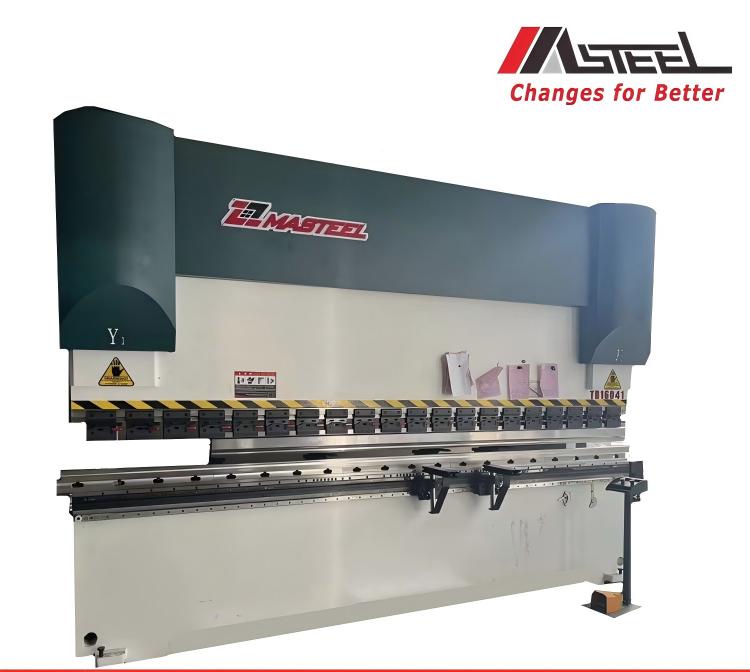
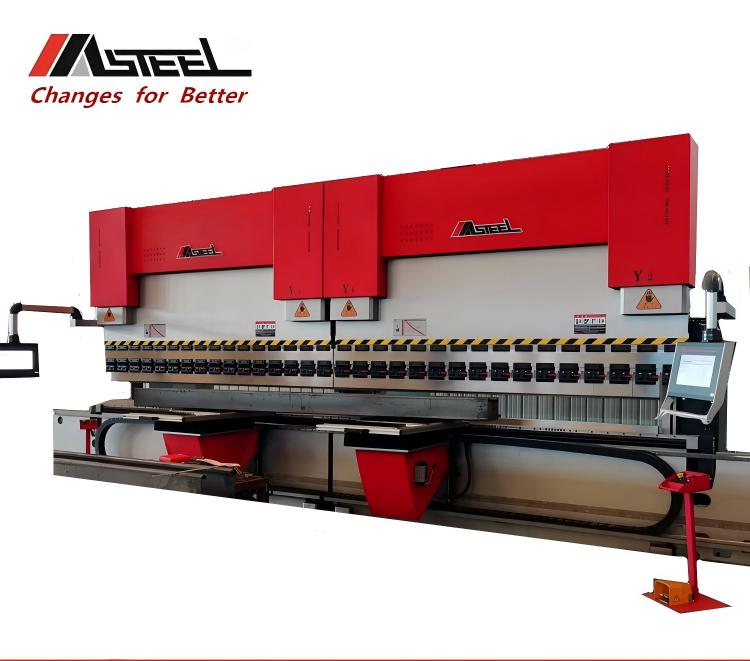
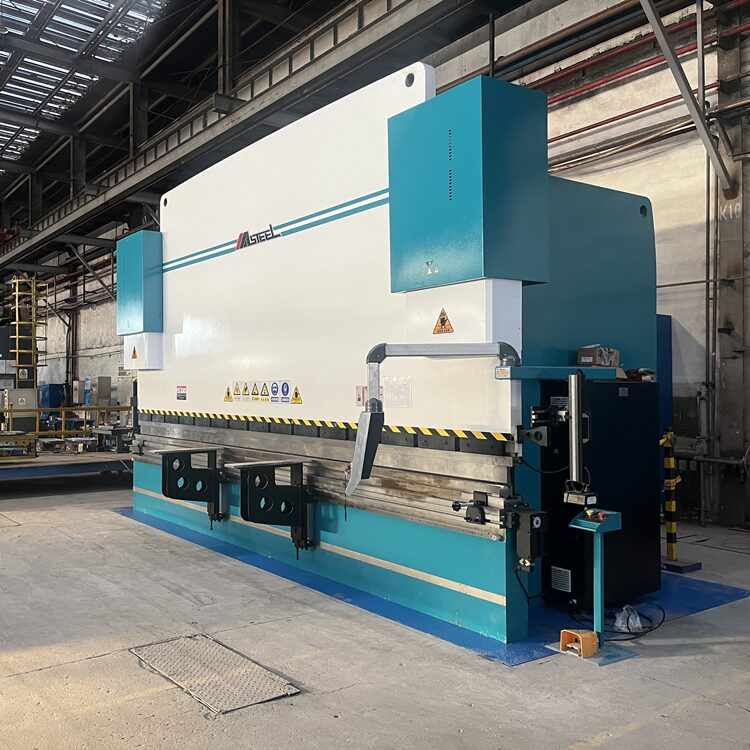
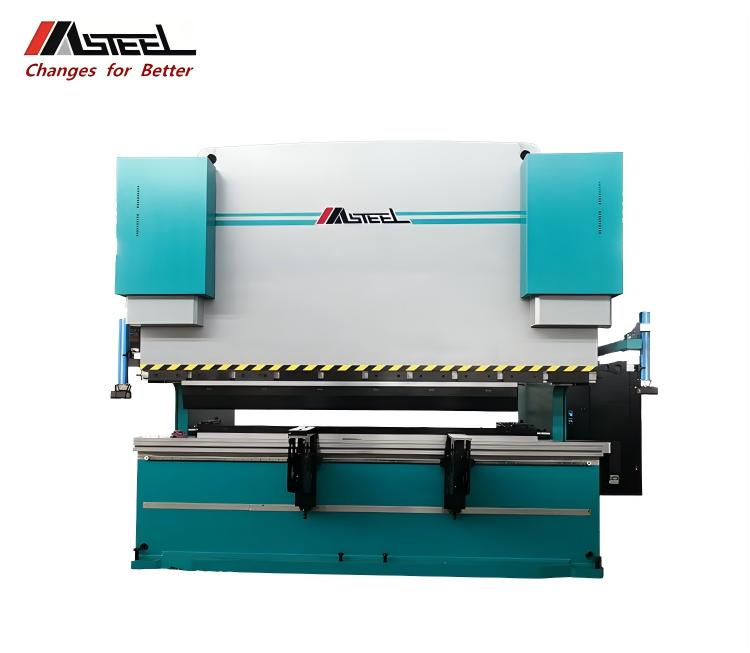
When an overseas buyer evaluates a CNC machine supplier, the machine itself is only half the decision. The other half is whether the equipment arrives in the same condition it left the factory — after weeks at sea, multiple crane lifts, and several rounds of handling. Poor export packing is one of the top causes of machine damage reported by international buyers. This article walks through how Fangyu packs CNC press brakes and laser cutting machines for sea freight, so buyers know exactly what to expect before signing a purchase order.
Why Export Packing Matters More Than Most Buyers Realize
CNC machines are heavy, dense, and sensitive. A standard hydraulic press brake can weigh between 5 and 30 metric tons. A laser cutting machine with its bed, gantry, and chiller unit creates a irregular load profile inside a 20ft or 40ft container. Without proper blocking, bracing, and moisture protection, containers shift during ocean transit — especially on routes crossing the Indian Ocean or South China Sea during monsoon season.
Fangyu has been exporting CNC machines since 2012. We have shipped to Southeast Asia, the Middle East, Africa, South America, and Eastern Europe. In that time, we have refined our packing process to a documented standard that applies to every machine unless a buyer specifies otherwise.
Fangyu's Standard Export Packing Procedure
Step 1 — Machine Surface Cleaning and Rust Prevention
Before packing, every machine undergoes a full surface clean. Loose debris, coolant residue, and metal filings are removed. Bare metal surfaces — especially the machine column, ram, and worktable — receive a coat of rust preventive oil. This is not optional. For machines shipped to tropical ports with high humidity, we apply a secondary desiccant pack inside the container.
Step 2 — Machine Base Fixing and Blocking
The machine is positioned inside the container on a treated wooden skid (or steel skid for machines over 15 tons). Heavy-duty steel brackets weld to the container floor at four points minimum. Cross-bracing chains or steel straps — rated for the machine weight — secure the skid to the container walls. The machine itself is tied to the skid to prevent any rocking or tipping.
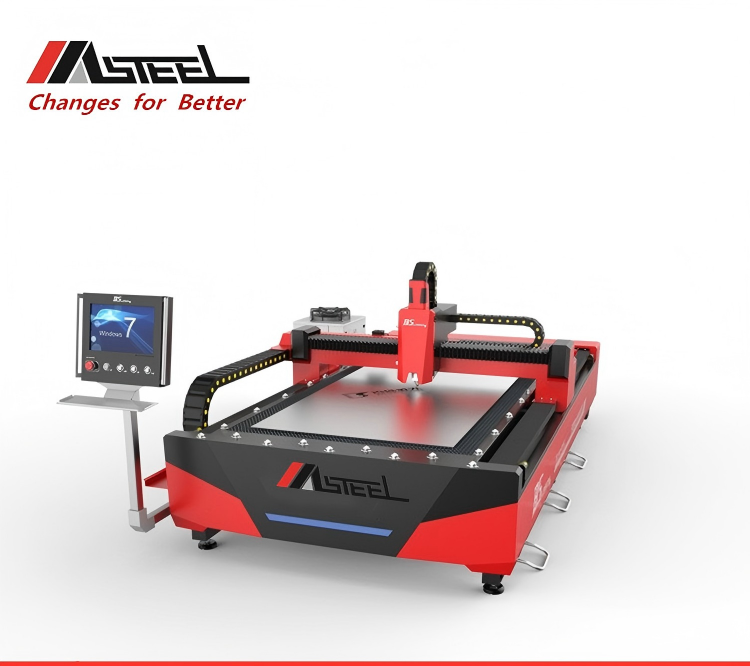
For laser cutting machines, the cutting head is retracted and locked. The X-axis and Y-axis rails are padded. The chiller is drained and separately wrapped.
Step 3 — Moisture and Pest Control
A vacuum-pack or poly-wrapped layer covers the worktable and lower machine body. Container desiccant packs (typically 1.5 kg per cubic meter of container volume) are hung at the top corners. For destination countries with strict phytosanitary requirements, Fangyu uses heat-treated (HT) lumber for all skid and blocking materials, compliant with ISPM 15 regulations.
Step 4 — Documentation and Container Sealing
The container is photographed from all four sides before sealing. Packing photos — including the machine on the skid, the blocking points, and the sealed container — are shared with the buyer before departure. A copy of the packing list, machine serial number, and container seal number are included in the shipping documents package.
Common Export Destinations and What Changes in Packing
| Destination | Special Consideration | Fangyu's Approach |
|---|---|---|
| Southeast Asia (high humidity) | Moisture during monsoon | Extra desiccant, poly wrap on worktable |
| Middle East (extreme heat) | Heat damage risk | UV-resistant outer wrapping, heat-stable oil |
| South America / Africa | Port handling quality varies | Reinforced skid, double-strapping |
| Eastern Europe | Long inland transit | Steel skid preferred, reinforced blocking |
| Australia / New Zealand | Strict biosecurity | ISPM 15 heat-treated lumber mandatory |
Press Brake Export Packing vs Laser Cutting Machine Export Packing
Press brakes and laser cutting machines require slightly different packing approaches due to their structural differences:
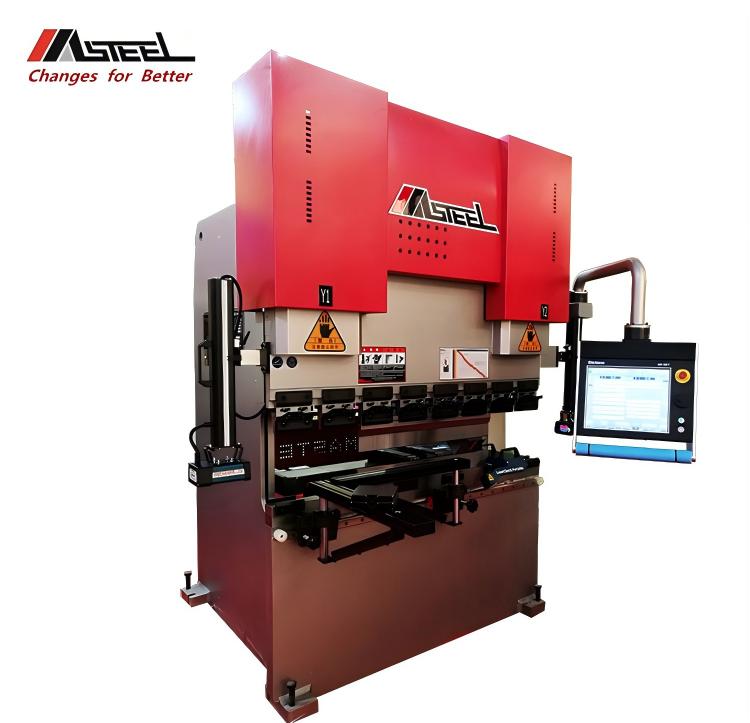
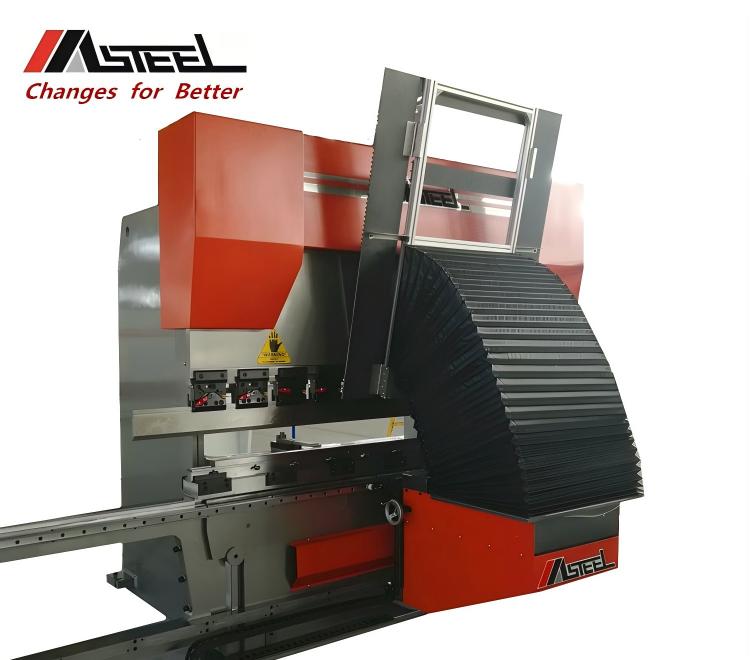
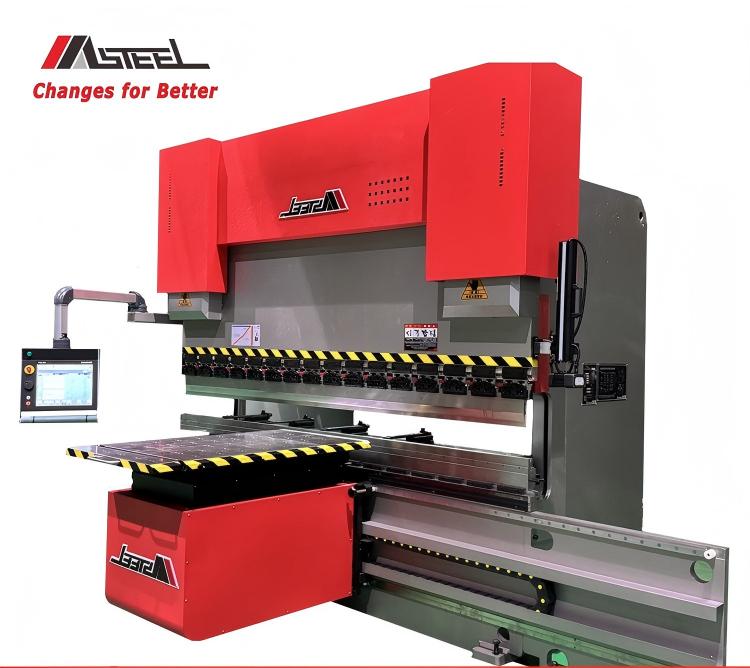
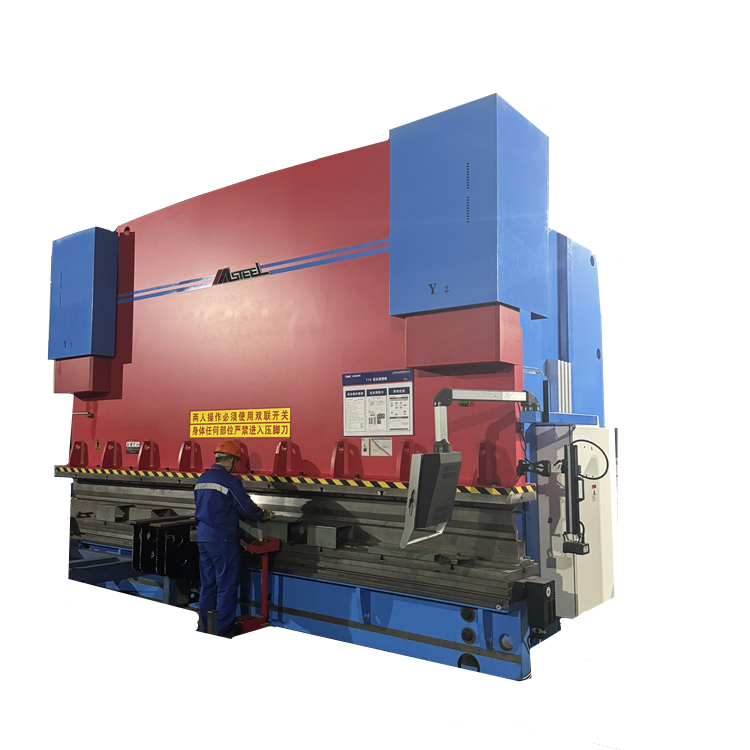
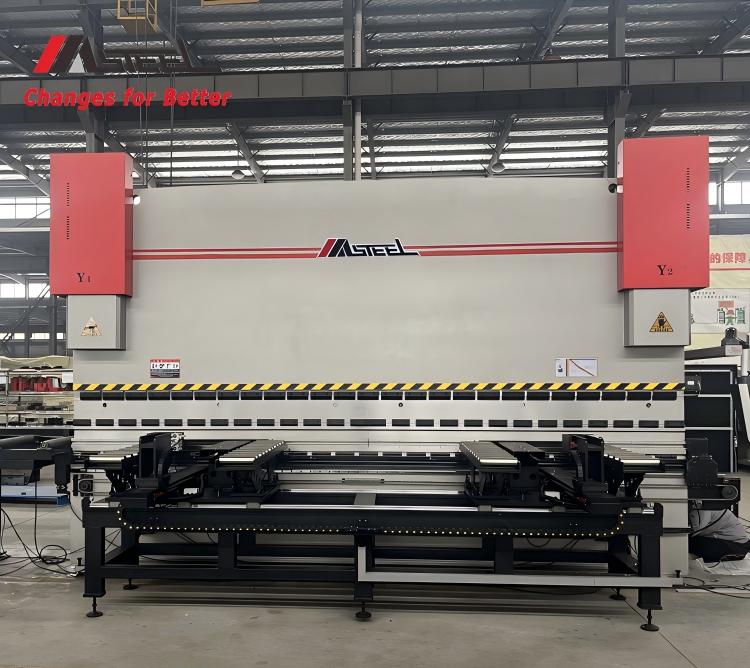
Press Brake Packing: - The ram and cylinder assembly is retracted to minimum stroke - The worktable is covered with a wooden board layer to protect the surface during loading - Backgauge arms are retracted and strapped - Total height is minimized to allow loading with standard container door heights
Laser Cutting Machine Packing: - The cutting head is locked and padded inside a foam shell - The bed rails and gantry are individually wrapped - The chiller unit is drained, capped, and separately packed in its own crate - The CNC control cabinet is wrapped and strapped separately inside the container
Both machine types follow the same minimum blocking standard: four-point floor anchor, cross-strapping, and desiccant.
What Fangyu Provides in the Shipping Document Package
Before your machine leaves our factory, you will receive:
- Commercial invoice and packing list
- Machine specification sheet (matching your order)
- Photos of the packed machine and sealed container
- Bill of lading (freight prepaid or collect, per agreement)
- Certificate of origin (if required by destination country)
- Operation manual and spare parts list (one physical copy + USB drive)
- Machine serial number and model number for customs declaration
How Long Does Sea Freight Take from China to Major Destinations?
| Route | Approximate Transit Time |
|---|---|
| Shanghai / Ningbo → Ho Chi Minh City | 5–7 days |
| Shanghai / Ningbo → Dubai (Jebel Ali) | 18–22 days |
| Shanghai / Ningbo → Lagos / Apapa | 35–45 days |
| Shanghai / Ningbo → Santos, Brazil | 40–50 days |
| Shanghai / Ningbo → Rotterdam | 28–35 days |
| Shanghai / Ningbo → Melbourne / Sydney | 25–32 days |
Note: inland trucking from the destination port to your factory adds additional time and cost. Fangyu can arrange door-to-door delivery upon request.
What Should You Check Upon Arrival?
When your machine lands at the destination port:
- Inspect the container before unloading — check that the seal is intact and matches the bill of lading number
- Photograph all four sides of the container before and after opening
- Check for moisture or water stains on the container walls and ceiling
- Verify no visible shifting of the machine on its skid
- Report any damage to the freight forwarder immediately and share photos with Fangyu — we support damage claims with the packing documentation we hold on file
Fangyu maintains packing records for every shipment for a minimum of 24 months.
CTA
Ready to order a CNC machine with confidence in our export packing standard?
Before requesting a quotation, please share the following with our team — the more detail you provide, the faster we can confirm price and lead time:
- Material type you plan to process
- Material thickness range
- Working size (bending length for press brakes; sheet size for laser cutting)
- Drawing or sample part (even a sketch helps)
- Destination country and port of discharge
- For press brake inquiries: estimated bending length and tonnage requirement
- Preferred shipping terms (FOB, CIF, door-to-door)
Our sales engineers respond within 1 business day with a confirmed price, packing specification, and estimated shipping timeline.
- Get a Quote Now(https://fangyucnc.com/?pages_6/)
- Talk to Us on WhatsApp(https://api.whatsapp.com/send?phone=+8615009731608)
Related Machines
- Masteel 10041 Electro-Hydraulic Synchronized CNC Press Brake
- Representative heavy equipment that benefits from proper blocking, bracing, and export packing control.
- Masteel 05020 Oil-Electric Hybrid CNC Press Brake
- A compact export model often evaluated by buyers who care about transport, installation, and packing quality.
- Fiber Laser Cutting Machine
- See Fangyu laser cutting solutions that also follow the same export packing discipline for overseas delivery.