Why Agricultural Equipment Factories Need a Practical Laser Buying Standard
Agricultural equipment production is rarely a simple thin-sheet job. A factory may cut mounting brackets, reinforcement plates, protective covers, guard panels, hopper parts, chassis components, and welded structural pieces for different machines in the same week. Some parts are small and repeated in large quantity. Others are thicker, irregular, and built in lower-volume batches.
Because of that mix, buyers should not choose a laser cutting machine only by headline power or by one sample drawing. The real question is whether the machine can keep cut quality, part consistency, and daily throughput stable across the actual job mix used in agricultural equipment production.
If the machine is undersized, thick plate jobs slow down and pierce quality becomes unstable. If the machine is selected only for heavy plate, thinner sheet work may become less efficient than expected. A useful recommendation should start from material type, thickness range, working size, part structure, and downstream welding or assembly needs.
Typical Agricultural Equipment Parts That Depend on Laser Cutting Quality
A farm equipment or agricultural machinery factory may cut:
- mounting brackets and reinforcement plates
- side guards and protective covers
- hopper panels and feeding-system parts
- chassis plates and connection members
- gussets, tabs, and welded support parts
- perforated covers and ventilation panels
- sheet parts for seeders, trailers, sprayers, or small harvest machines
- selected tube or profile parts in mixed fabrication lines
In many projects, the material is mainly carbon steel, with thicknesses ranging from lighter cover panels to thicker structural brackets or welded base parts. Some buyers also process stainless steel or galvanized steel for selected equipment or export-market requirements.
The Main Cutting Problems in Agricultural Equipment Production
1. Mixed Thickness Changes the Real Machine Brief
Agricultural parts often span a wider thickness range than buyers first mention. A quotation may start with thin covers, but the real project also includes thicker brackets, support plates, and welded structural members. Buyers who are still matching machine power to their material range should also review How to Choose Laser Cutting Power for Carbon Steel, Stainless Steel, and Aluminum, because the right power choice depends on your real thickness mix and output target, not only on maximum possible cutting thickness.
2. Welded Assemblies Need Clean Edges and Stable Hole Accuracy
Many agricultural equipment parts do not go directly into final assembly after cutting. They still need bending, welding, grinding, or surface treatment. If edge quality is unstable, weld preparation takes longer and fitting accuracy becomes less reliable. If holes or slots drift, assembly jigs stop working smoothly and rework increases.
For this reason, the right laser route should support both cutting speed and downstream manufacturing quality.
3. Batch Sizes Change Constantly
Unlike very standardized consumer products, agricultural machinery parts are often produced in mixed batches. One order may focus on repeat brackets, while the next includes larger irregular plates or a smaller quantity of thicker structural parts. That means buyers should evaluate not only top speed, but also how well the machine fits mixed nesting, frequent job changes, and practical daily throughput.
4. Material Range Matters More Than Buyers Sometimes Expect
Some projects stay on mild steel only. Others include stainless components, galvanized sheet, or export-market parts that use different material specifications. If you are still checking which metals belong in the same machine plan, it is useful to read What Materials Can a CNC Laser Cutting Machine Cut? A Practical Guide for Sheet Metal Buyers.
5. Technology Choice Still Affects Long-Term Running Cost
For many agricultural equipment factories, machine selection is not only about technical capability. It is also about electricity use, maintenance, daily speed, and whether the cutting route still makes sense as part volume grows. Buyers comparing cutting technologies should also review Fiber Laser vs CO2 Laser Cutting: Which Technology Is Right for Your Shop?, especially when they want a clearer view of long-term operating cost and production efficiency.
What Buyers Should Check Before Choosing a Laser Cutting Machine for Agricultural Equipment Parts
1. Material Type and Thickness Range
Do not describe the project only as “farm machinery parts” or “agricultural equipment parts.” The supplier needs to know whether you mainly cut carbon steel, stainless steel, or galvanized steel, and which thickness range is most common. A machine selected around 2 mm protective covers may not be the right fit for 8 mm or 10 mm reinforcement plates.
2. Maximum Working Size and Plate Format
The correct machine table depends on your actual sheet size and nesting plan. Some factories run standard 3000 x 1500 mm sheets, while others need larger plate formats to improve utilization and reduce handling. The right working size should be based on your real drawings, not on a general assumption.
3. Daily Output and Batch Structure
A recommendation should reflect whether the factory mainly runs repeated parts, mixed orders, or project-based fabrication. A job with many small repeated brackets can have a very different machine brief from a line that cuts fewer but larger and thicker structural parts.
4. Edge Quality for Welding, Bending, and Assembly
If the parts move directly to welding fixtures, press brake forming, or bolt-on assembly, then edge quality and hole consistency are part of the buying decision. Clean cut edges can reduce grinding, help weld preparation, and improve downstream efficiency.
5. Whether Plate and Tube Cutting Need to Stay in One Workflow
Some agricultural equipment factories cut only flat plate. Others also process pipe, tube, or profile members for support frames and structural assemblies. If tube work is part of the same production plan, a plate-and-pipe solution may be more practical than a sheet-only machine.
Which Laser Machine Type Usually Fits Agricultural Equipment Production?
For many buyers, the best route depends on the part mix.
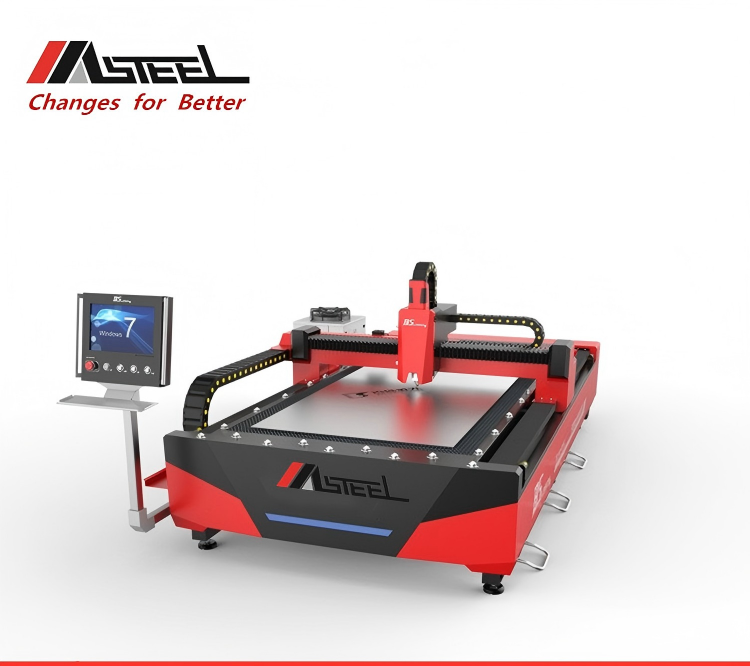
- Precision sheet laser cutting machine is often a practical choice for lighter covers, perforated guards, and repeat medium-thickness plate parts that still need stable dimensional control.
- Heavy-duty laser plate cutting machine is more suitable when the factory often cuts thicker structural parts, welded brackets, base plates, or reinforcement members.
- Plate-and-pipe laser cutting system is a stronger option when the same factory cuts both flat parts and tube or profile components in one production flow.
In other words, the right machine is not simply the one with the largest power label. It is the one that matches your real job structure, downstream process, and expansion direction.
Related Reading for Agricultural Equipment Buyers
If you are comparing laser machine options for agricultural equipment parts, these Fangyu articles are useful next steps:
- How to Choose Laser Cutting Power for Carbon Steel, Stainless Steel, and Aluminum
- What Materials Can a CNC Laser Cutting Machine Cut? A Practical Guide for Sheet Metal Buyers
- Fiber Laser vs CO2 Laser Cutting: Which Technology Is Right for Your Shop?
What Information to Send Before Asking for a Recommendation
To get a faster and more accurate laser cutting machine recommendation for agricultural equipment production, send Fangyu:
- material type
- thickness
- working size
- drawing
- destination country
If your project also includes tube or profile cutting, include those dimensions in your inquiry.
With these details, Fangyu can recommend a practical laser configuration based on your actual parts instead of a generic machine list.
Need a laser cutting machine recommendation for agricultural equipment parts?
Please send us the following information:
- material type
- thickness
- working size
- drawing
- destination country
If your project also includes tube or profile cutting, include those dimensions in your inquiry.
We will review your parts and recommend a suitable laser cutting configuration for your production.
Related Machines
-
Masteel Advanced Heavy-Duty Laser Plate Cutter
Better for buyers who often cut thicker structural parts, reinforcement plates, and welded support components. -
Masteel Precision CNC Laser Cutter
Suitable for lighter covers, medium-thickness brackets, and repeat parts that need stable dimensional control. -
Masteel All-in-One Plate and Pipe Laser Cutting System
Useful when the same factory cuts both flat parts and tube or profile members in one production flow.