Why Door Factories Should Evaluate Laser Cutting Before They Finalize the Whole Line
Many buyers focus first on the press brake because door panels and frame parts still need bending after cutting. But in real production, the cutting stage already decides a large part of the final result. If the cut edges are rough, the holes are inconsistent, or the sheet deforms from heat, the bending, welding, coating, and assembly stages all become harder.
That is why steel door and fire door factories should not treat laser cutting as a simple upstream process. The right machine affects edge quality, hole accuracy, nesting efficiency, material utilization, and the overall output rhythm of the line.
For this type of work, the buyer usually needs stable cutting on parts such as:
- door skins and outer panels
- fire door frame blanks and jamb parts
- hinge plates and lock reinforcement parts
- louver panels, vents, and access cutouts
- inner stiffeners and connection brackets
- selected square tube or profile parts in mixed production lines
If the laser cutting setup is not matched correctly, the factory often loses time later through deburring, rework, fitting correction, or slow downstream assembly.
What Makes Door and Fire Door Jobs Different from General Sheet Metal Cutting
Door production is usually not about one single part. A factory may cut thin visible panels in the morning, thicker lock plates in the afternoon, and fire door frame parts in the same batch. That means the machine must handle a mixed product structure, not just one sample sheet.
Several production characteristics make this segment special.
1. Thin Long Panels Need Good Edge Quality and Low Heat Effect
Door skins and visible outer panels are often made from mild steel, galvanized steel, or stainless steel in thinner gauges. Even when thickness is not high, long sheets can still show local deformation if the cutting parameters are not stable. This becomes a problem later when the part goes to bending or assembly.
Factories comparing material behavior should also review What Materials Can a CNC Laser Cutting Machine Cut?, because galvanized steel, stainless steel, and carbon steel do not behave exactly the same during cutting.
2. Lock Holes, Hinge Slots, and Small Details Must Stay Consistent
A steel door line has many function-related features: lock openings, hinge holes, reinforcement slots, ventilation patterns, and fitting points. If these details drift, operators start fixing parts manually before welding or hardware installation. In export orders, this wastes both labor and lead time.
The laser cutting machine should therefore be judged not only by maximum thickness, but also by how reliably it handles repeated small features across batch production.
3. The Real Challenge Is Often Output Stability, Not Just Peak Cutting Speed
Brochure speed is easy to compare. Daily factory output is harder. A buyer should ask whether the machine can keep stable performance across mixed door parts, different sheet sizes, and repeat orders without constant parameter changes.
This is similar to what enclosure factories face: repeated holes, panel outlines, and production efficiency matter as much as peak speed. Buyers with similar workloads can also read Laser Cutting Machine for Electrical Enclosures, because the process logic is close in many practical ways.
Common Problems When the Machine Is Not Matched to Door Production
Burrs and Secondary Finishing Increase Labor
If the edge is rough, the factory spends more time on grinding and cleanup before bending, welding, or coating. This is especially painful on high-volume hardware openings and reinforcement parts.
Nesting Is Poor and Material Cost Becomes Too High
Door and fire door factories usually consume a lot of plate over time. If sheet layouts are inefficient, material loss becomes a hidden cost. A machine choice should be linked to the buyer's common working size and nesting pattern, not only to the thickest sheet ever processed.
One Machine Cannot Cover Both Sheet and Tube When the Product Mix Is Wider
Some factories cut mostly sheet parts, while others also process square tube, reinforcement tube, or profile parts for specific door structures. In that case, a plate-only machine may not be enough. A plate-and-pipe route can reduce workflow breaks and support a broader product mix.
Wrong Power Selection Hurts Cost or Capacity
Overbuying laser power increases investment and running cost. Underbuying creates bottlenecks on thicker frame or reinforcement parts. Buyers should match power to real material and thickness ranges instead of chasing a large number without context. A useful reference is How to Choose Laser Cutting Power for Carbon Steel, Stainless Steel, and Aluminum.
What Information Buyers Should Prepare Before Asking for a Machine Recommendation
To recommend a suitable laser cutting machine for steel door and fire door production, Fangyu should first understand the actual work.
1. Material Type
Please specify whether your main job uses carbon steel, galvanized steel, stainless steel, or a mixed material range. This affects cutting quality, gas selection, and power matching.
2. Thickness Range
Do not give only one maximum value. Share the common thickness range and the occasional maximum thickness. The right recommendation for door skins is different from the right recommendation for reinforcement plates.
3. Working Size
The machine table should be chosen around the real sheet size and the parts you nest most often. Long panels and larger frame blanks change the decision.
4. Drawing and Hole Details
Drawings help evaluate slot quantity, hole density, contour complexity, and whether the job is more about large outlines or dense functional details.
5. Output Target and Production Mix
Some factories need one shift of stable sheet cutting. Others need higher volume, shuttle tables, or mixed plate-and-pipe capacity. Output planning should be part of the machine recommendation.
6. Destination Country
The destination country matters for electrical standards, shipment planning, spare parts preparation, and service coordination.
Which Laser Cutting Route Usually Fits Steel Door and Fire Door Factories
The best machine depends on the actual production structure.
- A general sheet laser cutting machine is often suitable for door skins, frame blanks, and daily panel parts when the factory mainly cuts plate.
- A heavier laser plate cutter is a better choice when the line includes thicker frame parts, larger sheets, or more demanding production intensity.
- A plate-and-pipe laser system is valuable when the factory also processes tube or profile parts and wants one cutting route for a wider product mix.
Factories that already manage mixed fabricated parts for shelving or structural products may also find Laser Cutting Machine for Storage Rack Components useful, because it explains how to balance part variety, working size, and output rhythm.
The Right Recommendation Starts with Real Production Data
Inquiries are faster and more accurate when the buyer sends real production information instead of only saying “we need a laser cutting machine for doors.” The more precise the input, the more practical the recommendation becomes.
For example, Fangyu can judge much better if it receives:
- the main material type
- the normal and max thickness
- the common working size
- one or more drawings
- the destination country
- whether the line also cuts pipe or profile parts
- expected output per shift or per month
That makes it easier to recommend not only power, but also table size, cutting structure, loading mode, and whether a plate-and-pipe solution makes sense.
Need a Laser Cutting Machine Recommendation for Steel Door and Fire Door Parts?
Please send us the following information:
- material type
- thickness
- working size
- drawing
- destination country
If you also process tube or profile parts, please mention that together with your expected output. We will review your door production needs and recommend a suitable laser cutting solution.
Related Machines
-
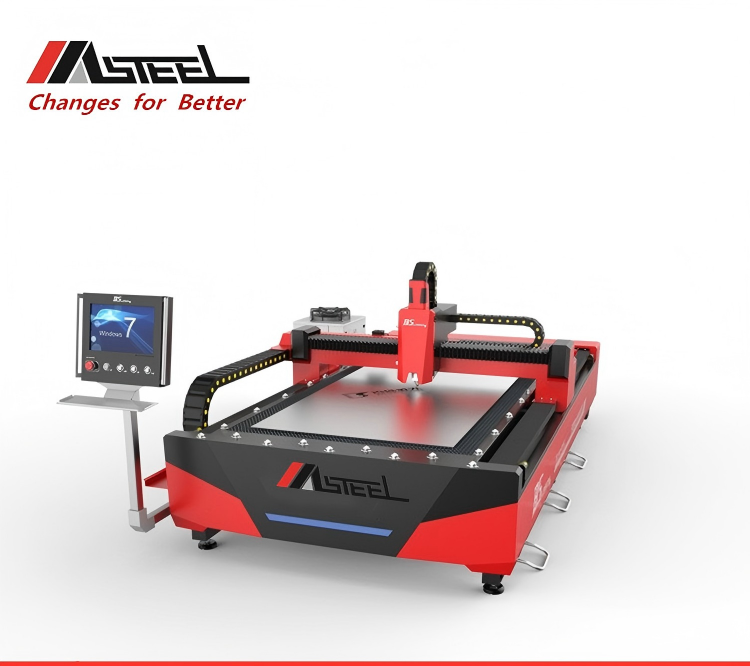
Masteel Precision CNC Laser Cutter
Suitable for daily steel door panels, lock-hole cutting, and general sheet metal parts that need clean edges and stable repeatability. -
Masteel Advanced Heavy-Duty Laser Plate Cutter
Better for larger plate sizes, thicker frame blanks, and factories that need stronger production coverage. -
Masteel All-in-One Plate and Pipe Laser Cutting System
A good option when the factory cuts both sheet parts and selected tube or profile components in one production line.