Why Storage Rack Factories Need a Practical Laser Buying Standard
Storage racks may look straightforward, but production is usually more complex than buyers expect. A typical factory may cut shelf panels, uprights, beams, brackets, gussets, base plates, and sometimes tube frames or accessory parts for the same order flow. If the laser cutting machine is not matched correctly, the result is slow cycle time, unstable hole quality, difficult assembly, and unnecessary secondary finishing.
For this application, buyers should not choose a machine only by maximum power. The better question is whether the machine can keep part accuracy, hole consistency, and daily output stable across the actual mix of materials and part shapes used in rack production.
That is why storage rack projects need a machine recommendation based on material type, thickness range, working size, tube demand, and output rhythm instead of only a headline kilowatt number.
Typical Storage Rack Parts That Depend on Laser Cutting Quality
A storage rack or shelving factory may cut:
- shelf panels and deck plates
- uprights and support columns
- horizontal beams and reinforcing members
- punched brackets and connection plates
- back panels and side guards
- base plates and anchor parts
- tube frames or pipe members for display racks and mixed shelving systems
Many of these jobs use carbon steel, galvanized steel, or stainless steel. Common thicknesses may start from thin sheet for shelf panels and extend to thicker plate for structural parts. Some factories also cut rectangular tube, round pipe, or square tube as part of the same production line.
The Main Cutting Problems in Storage Rack Production
1. Hole Accuracy Directly Affects Assembly
Rack systems often depend on repeated hole positions for slots, connectors, bolts, or adjustable shelf spacing. If hole spacing drifts or edge quality is unstable, assembly speed drops and parts may not fit cleanly on site.
2. Mixed Sheet Thickness Changes the Real Power Requirement
One rack factory may cut thin shelf panels all day, while another may also cut thicker support brackets and base plates. Buyers who are still comparing power ranges should also review How to Choose Laser Cutting Power for Carbon Steel, Stainless Steel, and Aluminum, because power should be chosen around real thickness and output targets instead of marketing numbers alone.
3. Material Range Changes the Machine Brief
Some projects stay on mild steel only. Others include stainless shelves, galvanized rack panels, or mixed decorative parts. Buyers who are still checking which materials belong in the same laser plan should also see What Materials Can a CNC Laser Cutting Machine Cut? A Practical Guide for Sheet Metal Buyers.
4. Some Rack Factories Need Sheet and Tube in the Same Workflow
Standard flat-sheet cutting is enough for many shelf-panel plants, but mixed rack manufacturers may also cut tubes, pipe frames, or profile members. In that case, the machine recommendation can change significantly because sheet-only and plate-and-pipe workflows do not have the same priorities.
5. Running Cost Still Matters in Repeated Daily Production
Rack production is often price-sensitive and highly repetitive. Buyers comparing technology routes should also review Fiber Laser vs CO2 Laser Cutting: Which Technology Is Right for Your Shop?, especially if they want to understand long-term operating cost and speed differences.
What Buyers Should Check Before Choosing a Laser Cutting Machine for Rack Components
1. Material Type and Thickness Range
Do not describe the job only as “rack parts” or “shelving products.” The supplier needs to know whether you mainly cut carbon steel, galvanized steel, or stainless steel, and what thickness range is most common. A machine selected for thin shelf panels may not be the best fit for a line that also cuts thicker structural members.
2. Sheet Size and Maximum Working Area
Some factories run standard 3000 x 1500 mm sheets, while others need larger formats to improve nesting and reduce handling time. The correct working size depends on your real blank dimensions, not on a generic standard recommendation.
3. Whether Tube or Pipe Cutting Is Part of the Production Plan
This is one of the most important questions. If the factory cuts only shelf panels and brackets, a sheet laser may be enough. If the production mix also includes tube frames, cross members, or pipe structures, a plate-and-pipe route may reduce outsourcing and improve line efficiency.
4. Output Target Per Shift
A quotation should reflect whether the factory needs flexible mixed-order production or high daily throughput on repeated parts. For repeated shelf panels and standard brackets, the right nesting speed and material flow can matter as much as peak cutting thickness.
5. Edge Quality and Downstream Process Needs
If parts go directly to bending, welding, powder coating, or assembly, edge quality becomes part of the buying decision. Clean edges and consistent hole quality reduce grinding, fitting, and rework.
Which Laser Machine Type Usually Fits Storage Rack Production?
For many buyers, the best route depends on part mix.
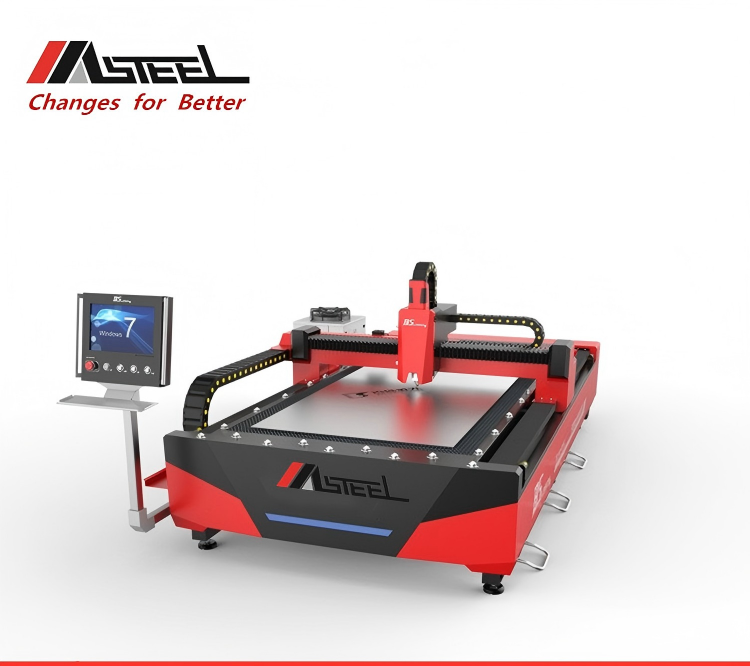
- Precision sheet laser cutting machine is often a practical choice for shelf panels, brackets, perforated sheet parts, and repeat medium-thickness production.
- Heavy-duty plate laser cutting machine makes more sense when the factory also cuts thicker support plates, stronger structural parts, or wants more margin on heavy-duty rack components.
- Plate-and-pipe laser cutting system is more suitable when the same business handles both sheet rack parts and tube or pipe members.
In other words, the right machine is not only the highest-power option. It is the one that matches your real combination of sheet parts, structural parts, and future product direction.
Related Reading for Rack and Shelving Buyers
If you are comparing laser machine options for storage rack production, these Fangyu articles are useful next steps:
- How to Choose Laser Cutting Power for Carbon Steel, Stainless Steel, and Aluminum
- What Materials Can a CNC Laser Cutting Machine Cut? A Practical Guide for Sheet Metal Buyers
- Fiber Laser vs CO2 Laser Cutting: Which Technology Is Right for Your Shop?
- Laser Cutting Machine Solutions
What Information to Send Before Asking for a Recommendation
To get a faster and more accurate laser cutting machine recommendation for storage rack production, send Fangyu:
- material type
- thickness
- working size
- drawing
- destination country
If your project includes tube or pipe cutting, include those dimensions as well.
With these details, Fangyu can recommend a practical laser route, machine size, and configuration based on your actual production instead of a generic product list.
Need a Laser Cutting Machine Recommendation?
Need a laser cutting machine recommendation for storage rack components?
Please send us the following information:
- material type
- thickness
- working size
- drawing
- destination country
If you also cut tube or pipe parts, include those dimensions in your inquiry.
We will review your parts and recommend a suitable laser cutting configuration for your production.
Related Machines
-
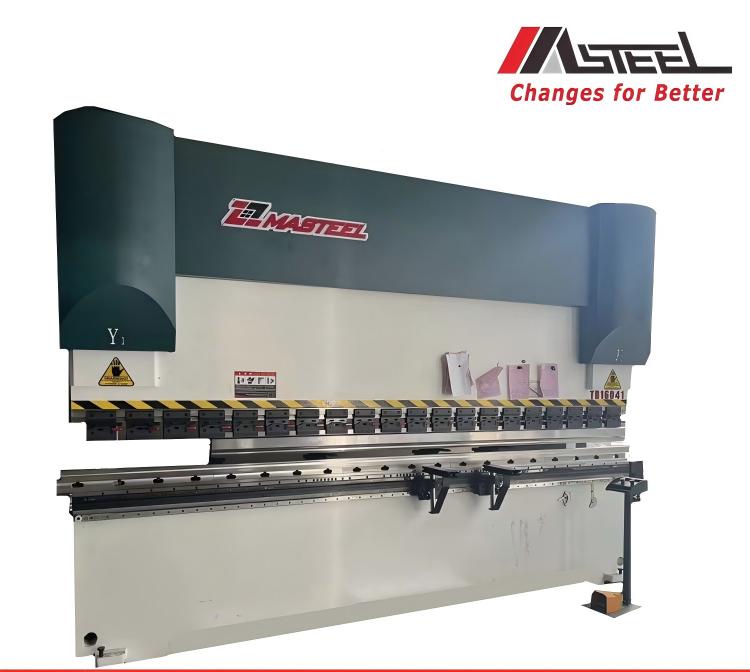
Masteel Precision CNC Laser Cutter
Suitable for shelf panels, perforated brackets, and repeat sheet parts that need stable cutting quality. -
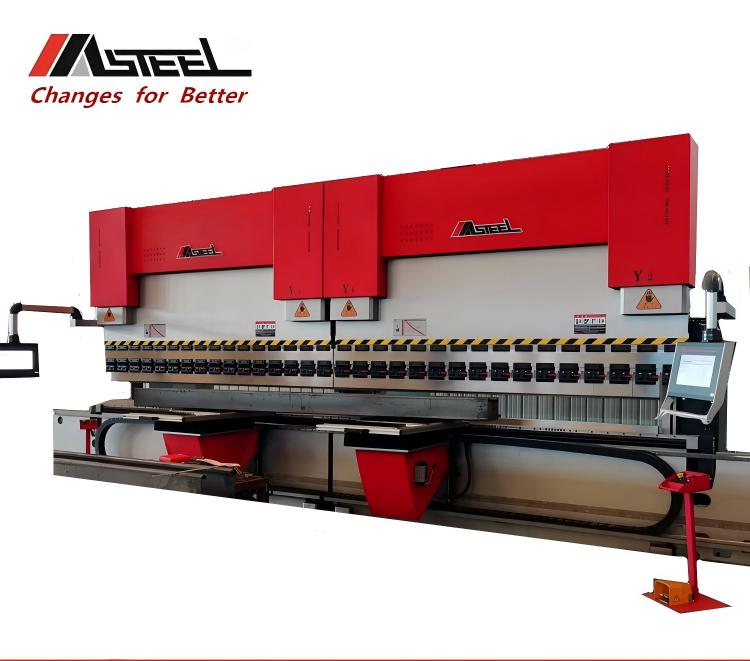
Masteel Advanced Heavy-Duty Laser Plate Cutter
Better for buyers who also cut thicker support plates, base plates, or stronger rack structural parts. -
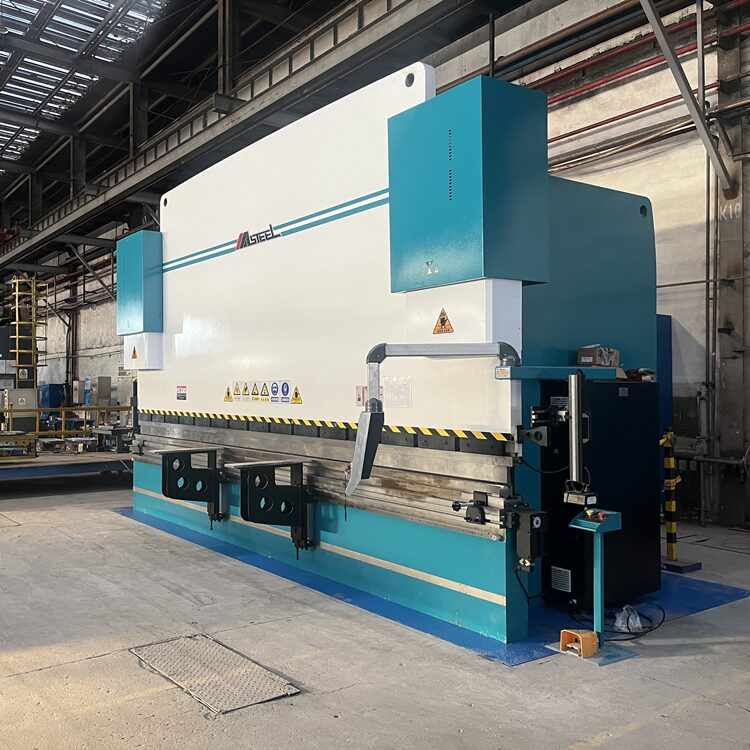
Masteel All-in-One Plate and Pipe Laser Cutting System
Useful when the same factory cuts both flat rack components and tube or pipe members in one production flow.