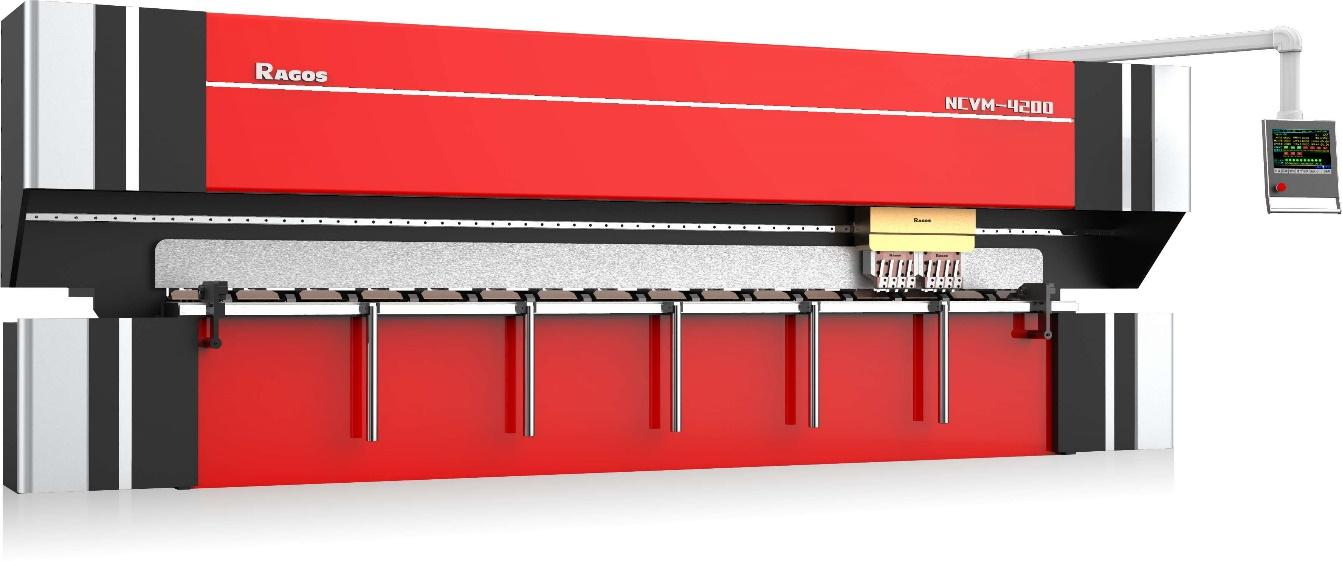
When a buyer asks for a CNC press brake quotation, the real question is usually not just tonnage. It is whether the factory needs lower power consumption, faster response, easier maintenance, heavier-duty capacity, or better long-run flexibility for mixed orders.
For many sheet metal workshops, the first shortlist comes down to two mainstream solutions: the oil-electric hybrid CNC press brake and the electro-hydraulic servo CNC press brake. Both can deliver high bending accuracy, but they fit different production priorities.
Why this comparison matters for overseas buyers
If you are sourcing a press brake for export projects, a wrong machine choice affects more than the equipment price. It can also affect:
- daily electricity cost
- cycle time for repeated parts
- operator experience
- spare parts planning
- shipping size and installation planning
- future order range for thicker or longer workpieces
That is why many buyers now compare machine structure and application fit before asking for a final offer.
When an oil-electric hybrid press brake is the better choice
An oil-electric hybrid CNC press brake combines servo drive control with a reduced hydraulic oil design. In practical purchasing terms, this type of machine is often selected by customers who want a balance of precision, energy saving, and stable repeat production.
Typical fit:
- factories running medium-thickness stainless steel or carbon steel parts
- workshops with frequent batch bending and repeat orders
- buyers focused on reducing electricity consumption
- projects where low noise and cleaner operation are important
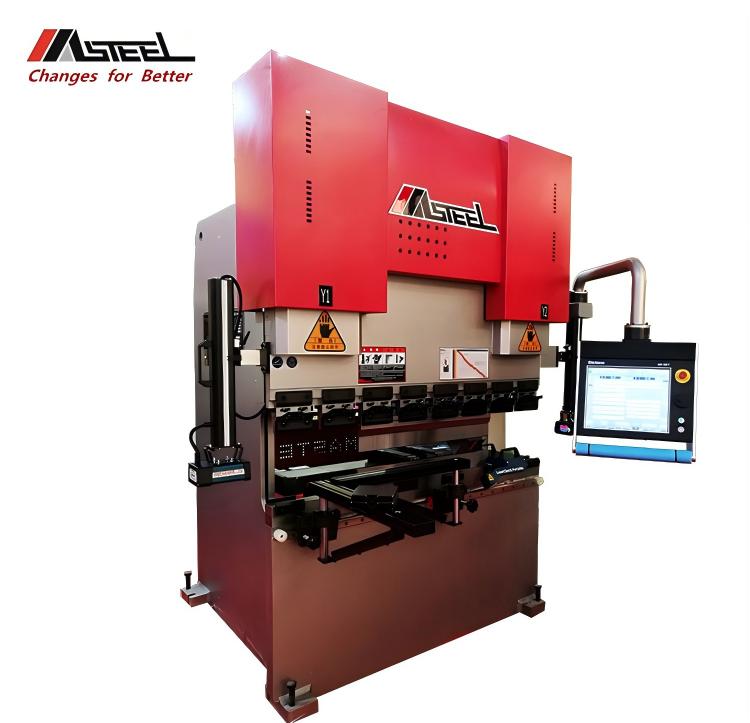
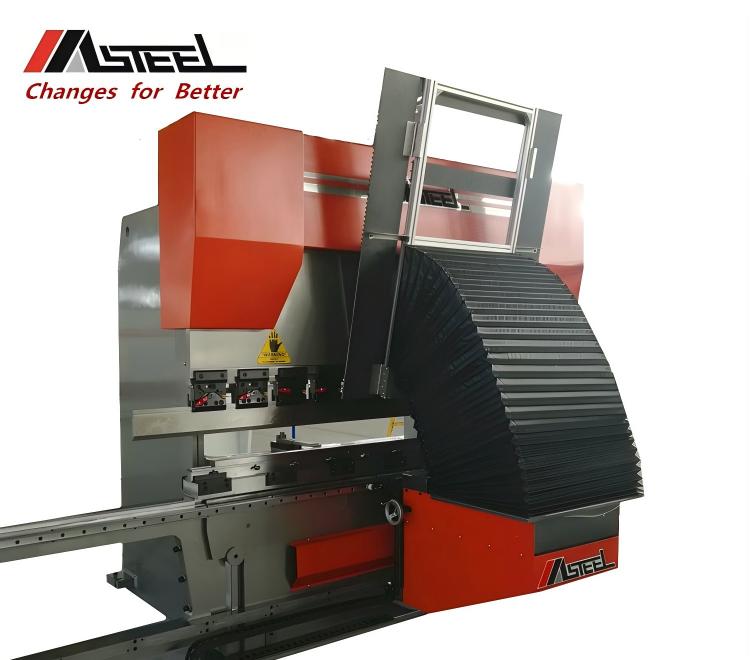
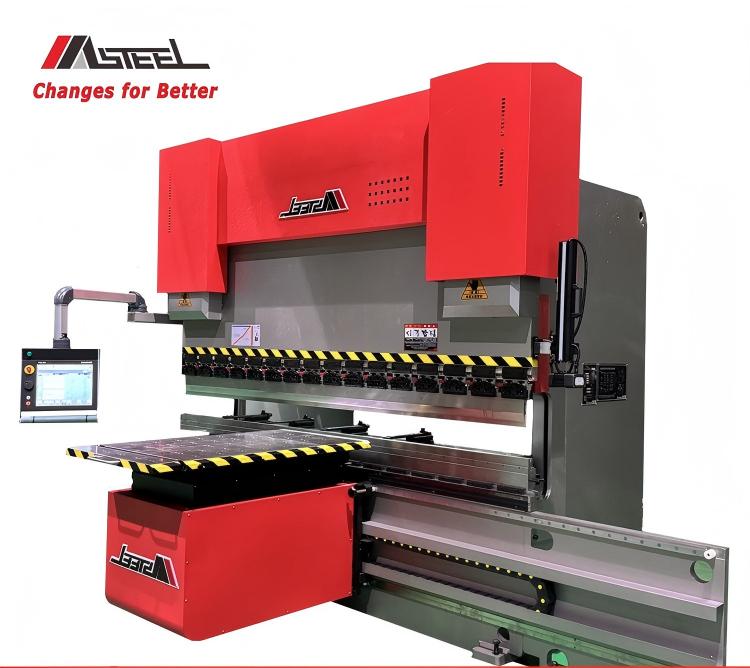
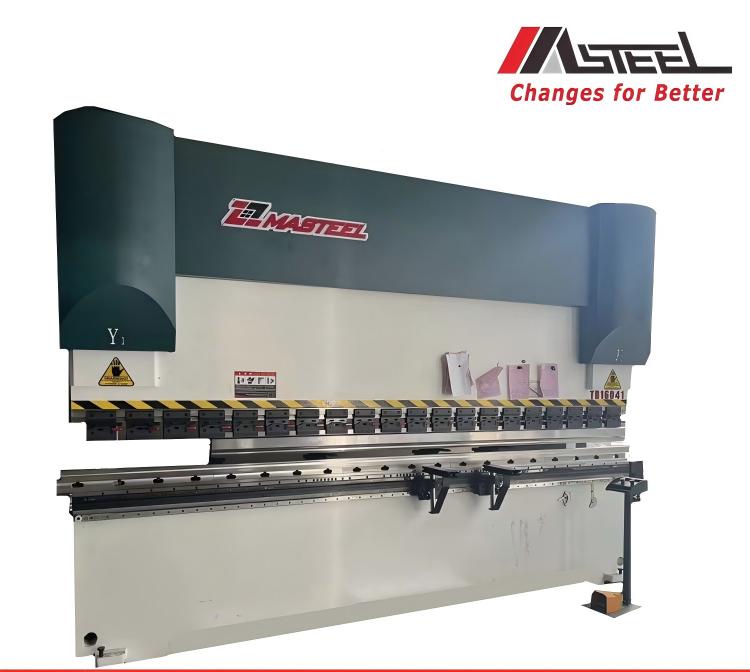
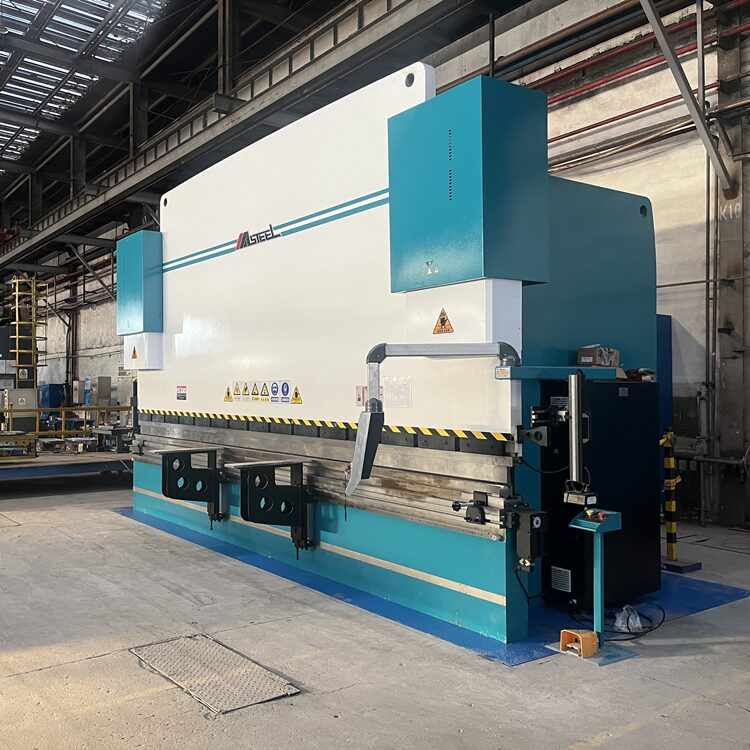
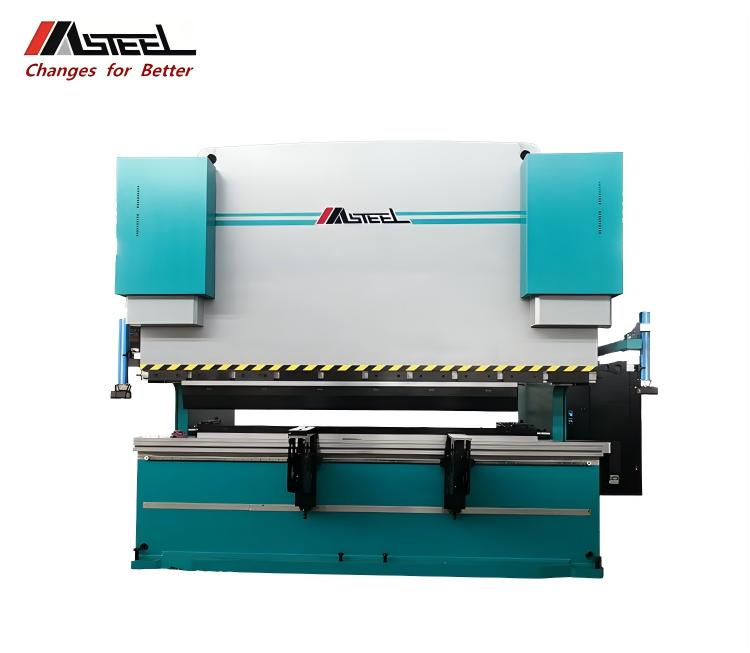
On Fangyu’s current line, models such as the Masteel 05020 Oil-Electric Hybrid CNC Press Brake and Dalian CIMC 50041 / 50061 Oil-Electric Hybrid CNC Press Brake are suitable references for customers comparing performance and operating cost.
Key advantages often include:
- faster response from the servo system
- lower energy use than conventional hydraulic structures
- stable angle consistency in repeated bending jobs
- cleaner machine operation with less hydraulic dependence
For manufacturers producing cabinets, electrical enclosures, elevator panels, kitchen equipment, or precision structural parts, a hybrid press brake can be a practical investment.
When an electro-hydraulic servo press brake is the better choice
An electro-hydraulic servo CNC press brake is still the preferred choice in many heavy-duty metal fabrication environments. It is especially common when customers need wider tonnage coverage, stronger frame rigidity, or more flexibility for larger and thicker plates.
Typical fit:
- factories handling thicker sheet or plate
- job shops taking mixed custom orders every week
- buyers who need broad model selection from standard to large-tonnage configurations
- projects where heavy-duty stability is more important than minimum power consumption
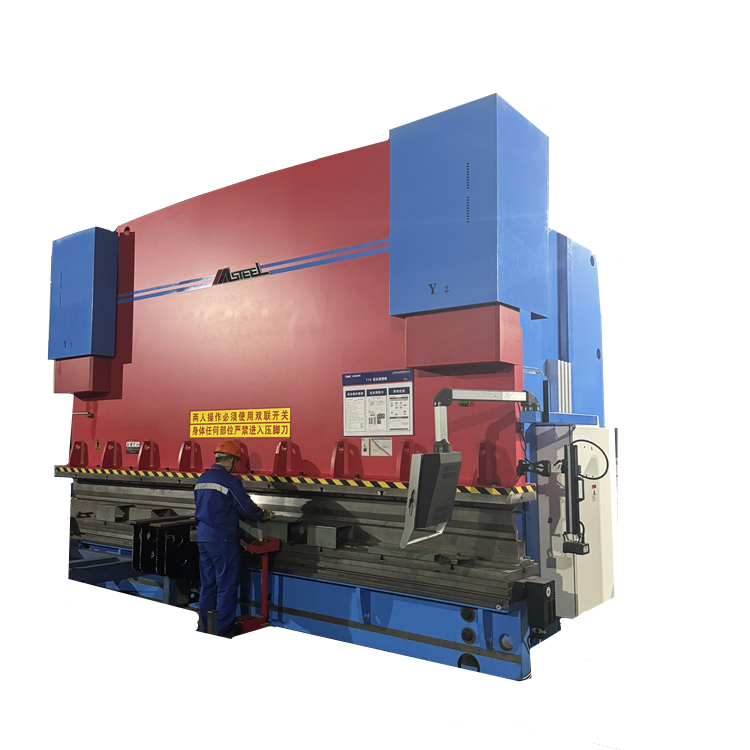
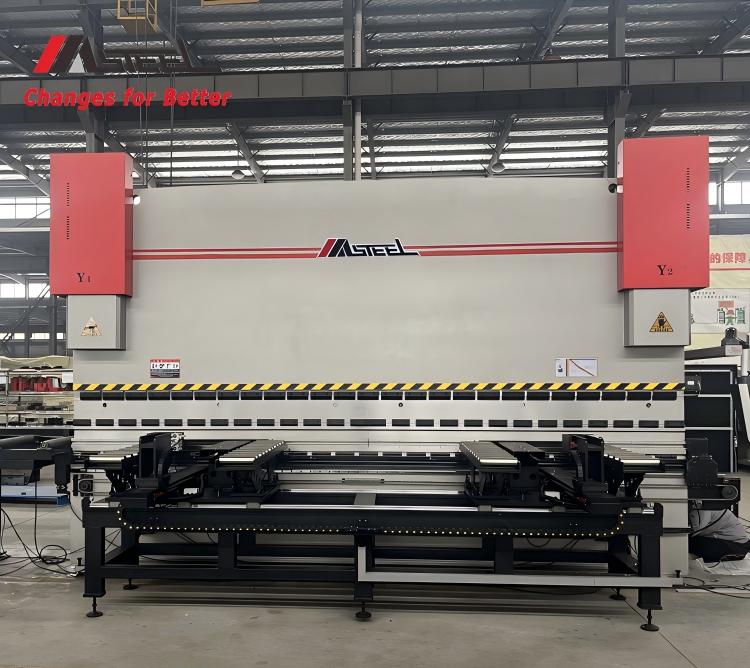
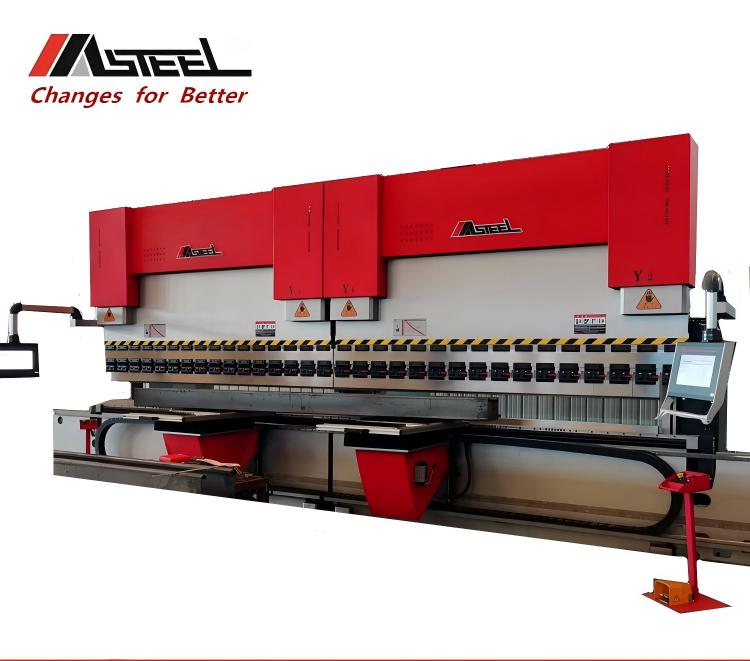
Products such as the Masteel Electro-Hydraulic Servo CNC Press Brake or the Shanghai CIMC 1000T Electro-Hydraulic Synchronized CNC Press Brake are more suitable when the workpiece range is large and bending force is the main concern.
Common strengths include:
- stronger suitability for high-tonnage applications
- better adaptability for long and heavy workpieces
- mature technology accepted in many global fabrication plants
- easier matching with specialized tooling or tandem solutions
If your production plan includes structural steel components, thicker carbon steel parts, long workpieces, or future capacity expansion, an electro-hydraulic servo press brake is often the safer route.
Five questions buyers should answer before requesting a quote
Instead of starting from the machine name alone, buyers should match the machine to the real production task. These five questions help narrow the model quickly.
1. What material are you bending?
Mild steel, stainless steel, aluminum, and galvanized sheet all behave differently during bending. Material type directly affects tooling selection, springback, and required tonnage.
2. What is the maximum thickness?
Thickness is one of the fastest ways to rule out undersized models. A machine that performs well on thin stainless steel parts may not be economical for thicker plate processing.
3. What is the maximum bending length?
Part length determines whether a standard single machine is enough or whether a longer bed, custom support, or even a dual-machine synchronized solution is needed.
4. Are your parts repeat production or mixed custom jobs?
For repeated batches, energy-saving and fast response become more valuable. For mixed work, flexibility and heavier-duty margin may matter more.
5. What country will the machine ship to?
Destination country matters for voltage, certification expectations, logistics planning, port restrictions, and after-sales coordination.
A practical sourcing suggestion from Fangyu
If your workshop mainly processes repeat precision parts and wants lower power consumption, start from the oil-electric hybrid press brake range.
If your production includes heavier plates, larger workpieces, or future expansion to more demanding jobs, start from the electro-hydraulic servo press brake range.
For buyers who are unsure, Fangyu can compare several machine options side by side according to drawing, material, thickness, and destination requirements, so the quotation is based on the real job rather than on guesswork.
Send your requirements for model matching and quotation
To recommend the right press brake solution, please send the following details:
- material type
- thickness
- working size
- drawing
- destination country
- bending length
- required tonnage
With these details, Fangyu can help match the suitable machine configuration, tooling direction, and shipping plan for your project.
CTA
Want a machine recommendation based on your actual production needs?
Before requesting a quotation, please send us:
- Material type
- Thickness
- Working size
- Drawing or sample part
- Destination country
- Bending length / tonnage for press brake projects, if available
With these details, Fangyu can recommend a suitable machine route, configuration, and export plan for your project.
- Get a Quote Now(https://fangyucnc.com/?pages_6/)
- Talk to Us on WhatsApp(https://api.whatsapp.com/send?phone=+8615009731608)
Related Machines
- Masteel 05020 Oil-Electric Hybrid CNC Press Brake
- A practical hybrid option for energy saving, repeat production, and cleaner day-to-day operation.
- Dalian CIMC 50061 Oil-Electric Hybrid CNC Press Brake
- Suitable for buyers comparing hybrid efficiency with a wider tonnage safety margin.
- Masteel Electro-Hydraulic Servo CNC Press Brake
- A stronger route for heavier workpieces, broader tonnage coverage, and demanding fabrication loads.