Why Bending Force Is the First Number You Need
When a buyer contacts Fangyu asking for a press brake quote, the first technical question our engineers ask is not "what is your budget" — it is "what is your bending force requirement?" That number determines everything else: the machine tonnage, the die size, the bed width, and ultimately whether a standard machine will handle the job or whether you need a heavy-duty model.
Getting this wrong before purchase is expensive. A machine that is under-tonned will stall mid-cycle, damage tooling, or fail to achieve the target angle. One that is over-specified drives up cost unnecessarily. The good news: bending force calculation is a well-established formula. Do it once, and you will make a much smarter purchasing decision.
The Basic Formula
The most widely used formula for air bending is:
P = (Rm × S² × L) / (1 000 × V)
Where:
- P = Bending force in kilonewtons (kN)
- Rm = Tensile strength of the material (MPa) — sometimes called "material strength"
- S = Sheet thickness (mm)
- L = Total bending length (mm)
- V = Die opening width (mm)
A simplified version of the same logic is often expressed as:
P (kN) ≈ Rm × S × L ÷ V × constant
The constant changes based on the bending method (air bending, bottoming, coining), but air bending — the most common approach for general fabrication — uses the ratio shown in the full formula above.
Variable Breakdown: What Each Number Means
1. Material Tensile Strength (Rm)
This is the material's resistance to being pulled apart, measured in MPa. Higher strength materials require more force.
| Material | Typical Tensile Strength (Rm) |
|---|---|
| Mild steel (S235 / A36) | ~400 MPa |
| Stainless steel (304) | ~520 MPa |
| Aluminum (6061) | ~275 MPa |
| High-strength steel (S700) | ~700 MPa |
Always use the actual tensile strength from your material certificate — not an approximate table value — when the job demands accuracy.
2. Sheet Thickness (S)
Thickness is the single most impactful variable because it appears squared in the formula (S²). A 4 mm plate does not require twice the force of a 2 mm plate — it requires four times the force. This is why going from 6 mm to 8 mm is a much bigger jump than it appears on paper.
3. Die Opening Width (V)
The die opening width is chosen based on the material thickness and the desired inside bend radius. The rule of thumb:
- V ≈ 6 × S (for mild steel)
- A wider die opening reduces required tonnage but produces a larger bend radius
- A narrower die opening gives a sharper bend but demands more force
Fangyu's standard press brake tooling includes a range of V-opening options (8 mm to 30 mm) to cover most common thicknesses.
4. Bending Length (L)
This must be the full length of the bend — not the total length of the part. A part that is 1 000 mm long with two bends only 500 mm apart will have a bending length of 500 mm per bend, not 1 000 mm. Enter this number carefully; overestimating bending length is the most common source of error in tonnage calculations.
Worked Example
Job specs: - Material: Mild steel (Rm = 400 MPa) - Thickness: S = 3 mm - Bending length: L = 1 500 mm - Die opening: V = 18 mm (standard for 3 mm, using V = 6 × S)
Calculation:
P = (400 × 3² × 1 500) ÷ (1 000 × 18) P = (400 × 9 × 1 500) ÷ 18 000 P = 5 400 000 ÷ 18 000 P = 300 kN
Converting to metric tonnes (1 tonne ≈ 9.81 kN): 300 kN ÷ 9.81 = ~30.6 tonnes
Result: A 40-tonne press brake would be the appropriate minimum for this job, leaving a modest safety margin.
Online Calculators vs. The Formula
Free online bending force calculators exist and can speed up the process. Fangyu's sales team also runs these calculations for every RFQ as part of the standard technical review. The formula above is useful for a first-pass check before you contact a supplier — it lets you arrive at the conversation with realistic numbers rather than guessing.
One important caveat: online calculators vary in which material constant they use. Some assume coining (which uses ~1.5–2× more force than air bending). Always confirm which bending method the calculator assumes.
What This Means for Your Press Brake Selection
Once you have your required tonnage figure, you can narrow down the model range:
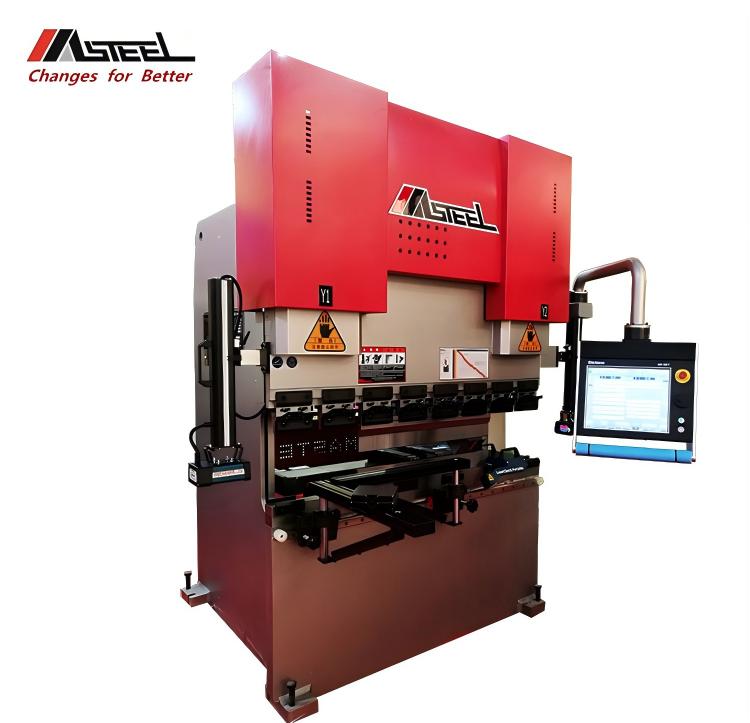
- Up to 40 tonnes / 1 500 mm: Standard hybrid or servo press brake — suitable for sheet metal fabrication, cabinetry, HVAC, sign manufacturing.
- 40–100 tonnes / 1 500–3 000 mm: Mid-range press brake for structural steel, elevator components, heavier industrial fabrication.
- 100+ tonnes / 3 000+ mm: Heavy-duty press brake for construction equipment, agricultural machinery, and thick-plate applications.
Fangyu's current press brake lineup covers all three ranges. Our team matches buyers to a specific model based on the tonnage calculation, preferred control system (Delem, CybTouch), and whether a hybrid or full-electric servo drive is preferred.
Common Mistakes to Avoid
- Forgetting the bend deduction: Bending force calculation tells you the machine requirement — it does not give you the flat pattern layout. Use bend deduction separately for nesting and cutting.
- Confusing bending length with overall part length: Always use the length of the individual bend line, not the full sheet.
- Ignoring the die width: Using the wrong V-opening is the fastest way to get incorrect tonnage numbers.
- Not accounting for hemming or bottoming: These methods require significantly more force than air bending; do not use air bending formulas for them.
How to Send Fangyu Your Specifications
Before asking for a press brake recommendation, gather these five pieces of information:
- Material type (mild steel, stainless steel, aluminum, high-strength steel)
- Material thickness (in mm)
- Maximum bending length per bend and total per part
- Typical part dimensions and annual volume estimate
- Destination country (for shipping, voltage, and certification requirements)
Optional but highly useful: a PDF drawing or DXF file. Fangyu's technical team reviews drawings and confirms the bending sequence, tooling configuration, and whether any special dies are needed.
Need a press brake recommendation based on your actual job specs?
Send us: - Material type and thickness - Required bending length and maximum part size - Drawing or sketch (PDF / DXF preferred) - Destination country
We will come back with a model match, tooling suggestion, and rough budget estimate within 1 business day.
- Get Quote: https://www.fangyucnc.com/?pages_6/
- Talk to Us on WhatsApp: https://api.whatsapp.com/send?phone=+8615009731608
Related Machines
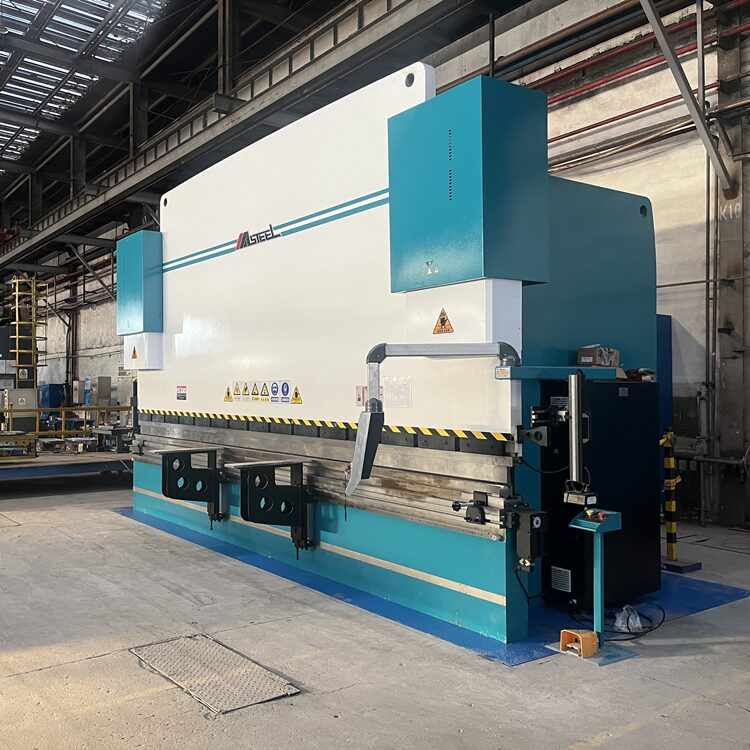
- Dalian CIMC 50041 Oil-Electric Hybrid CNC Press Brake
- Suitable for general fabrication jobs that need stable bending performance in a practical tonnage range.
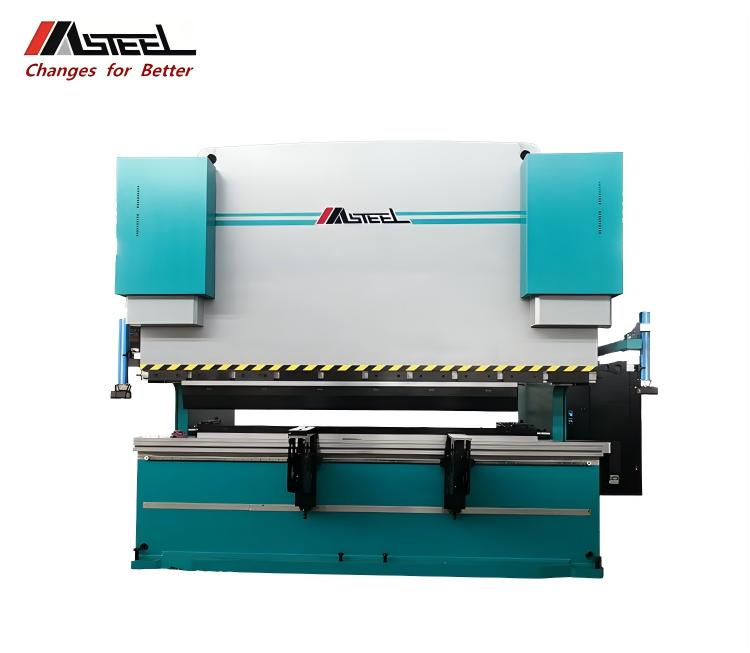
- Dalian CIMC 50061 Oil-Electric Hybrid CNC Press Brake
- A stronger hybrid option when buyers need more tonnage margin and wider job coverage.
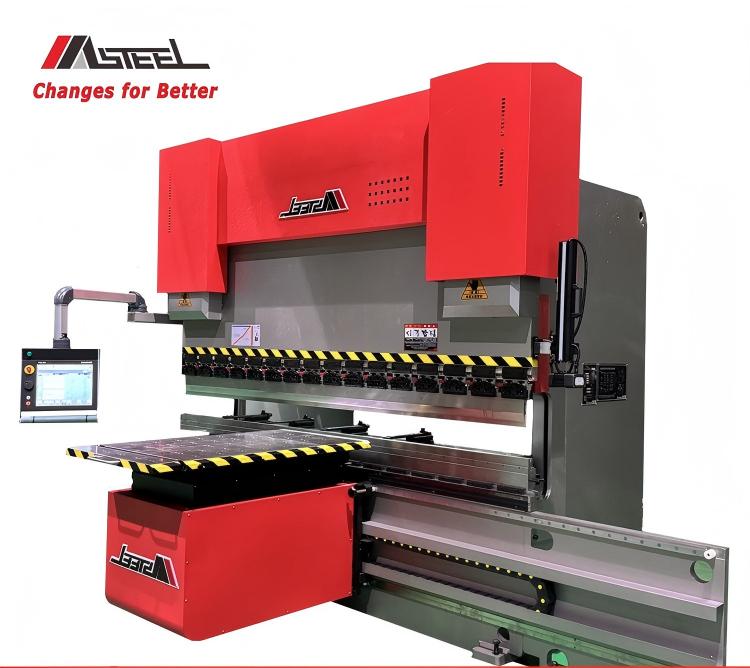
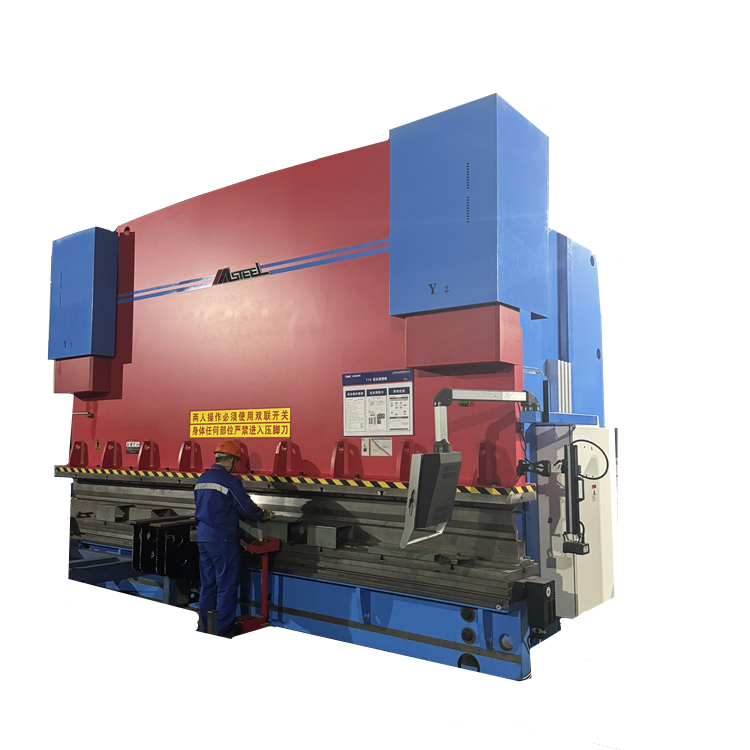
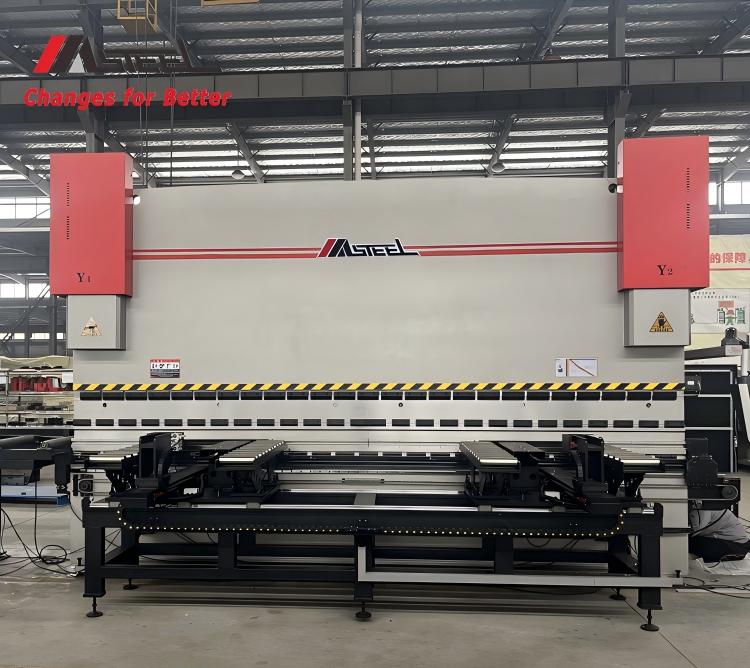
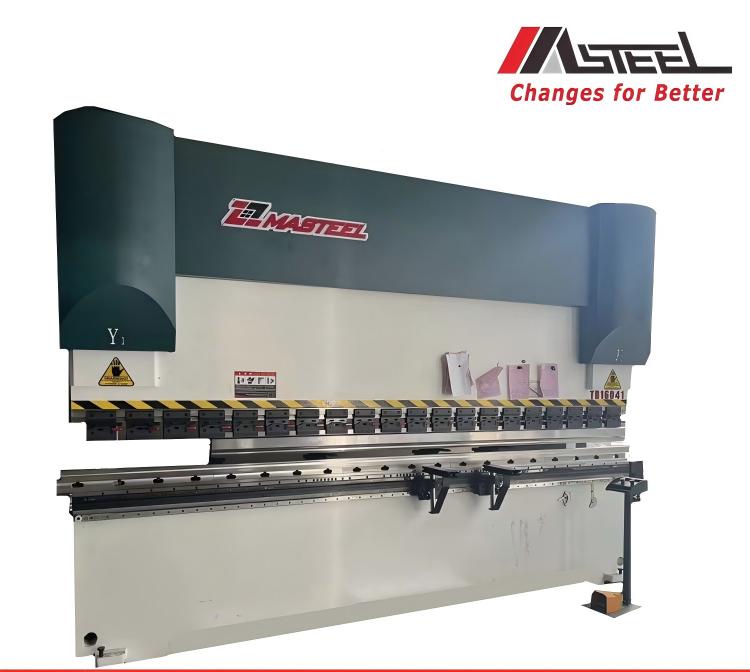
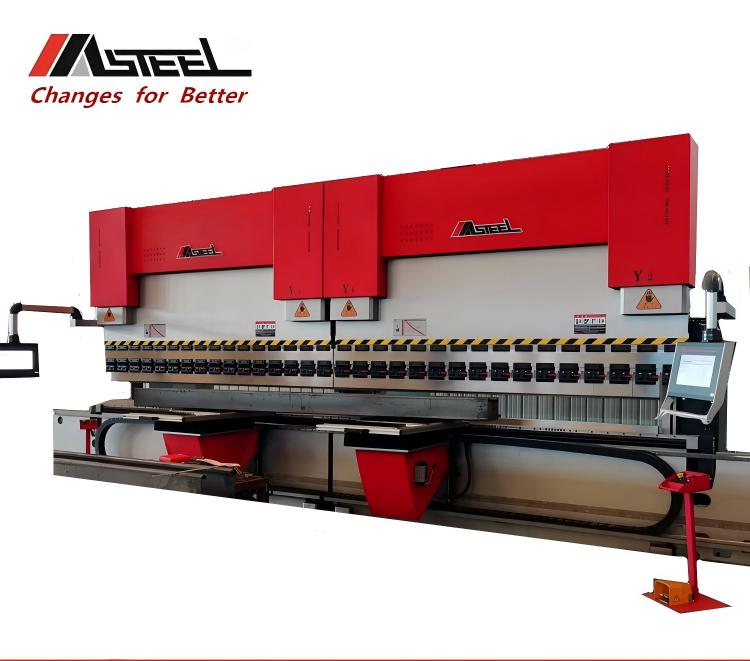
- Masteel Electro-Hydraulic Servo CNC Press Brake
- A good match for buyers who need higher rigidity, repeatability, and more demanding bending workloads.