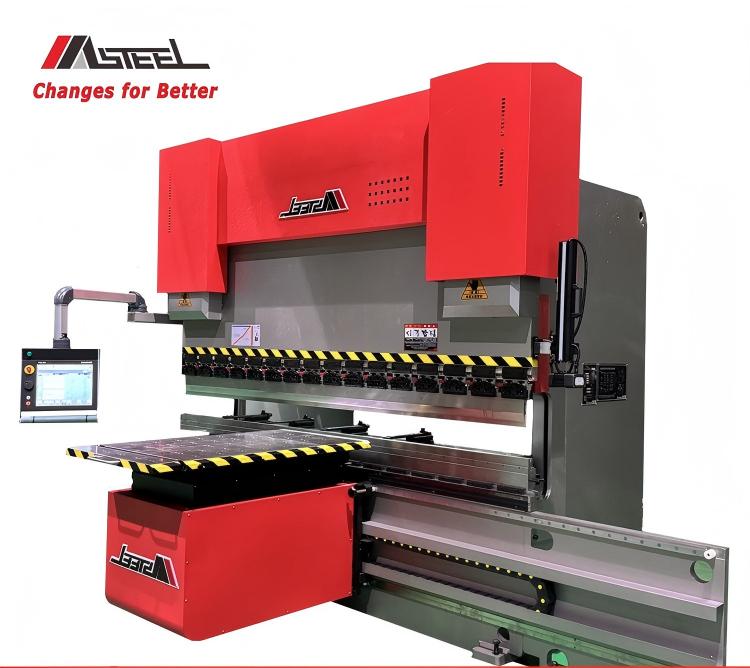
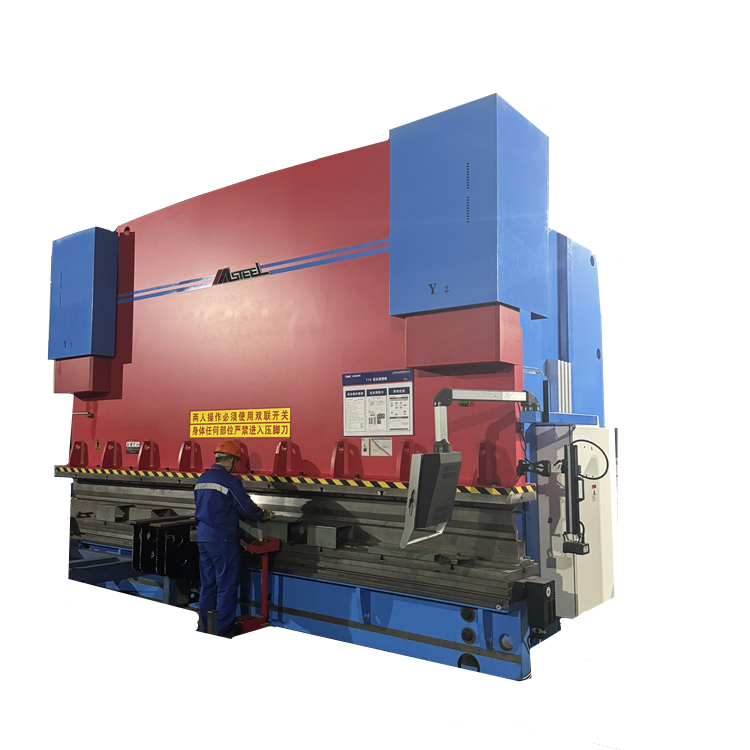
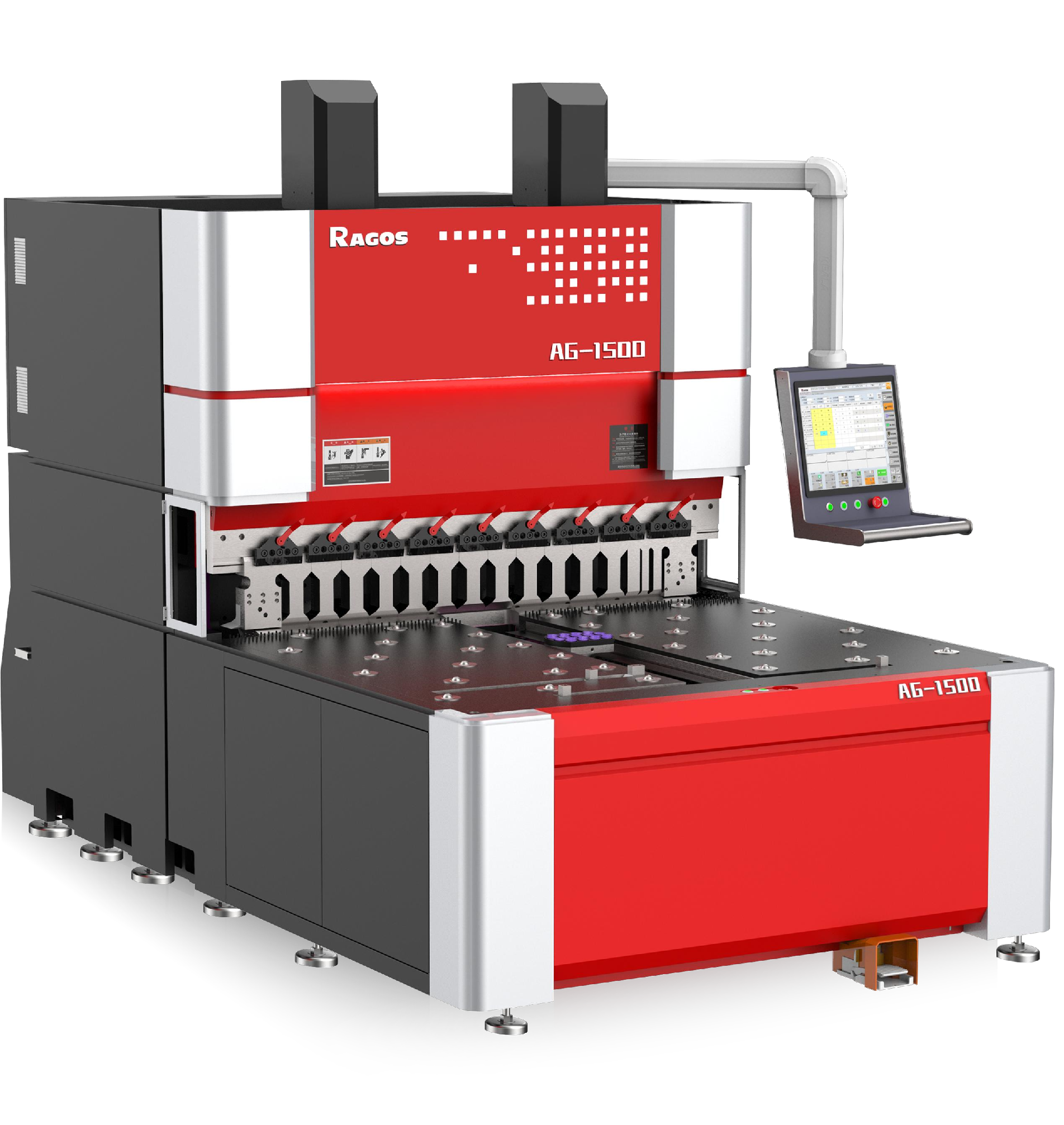
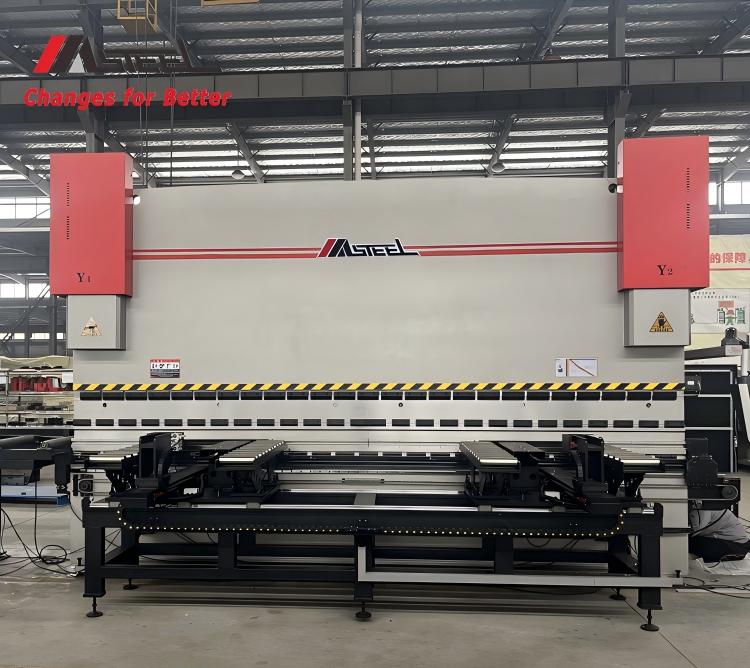
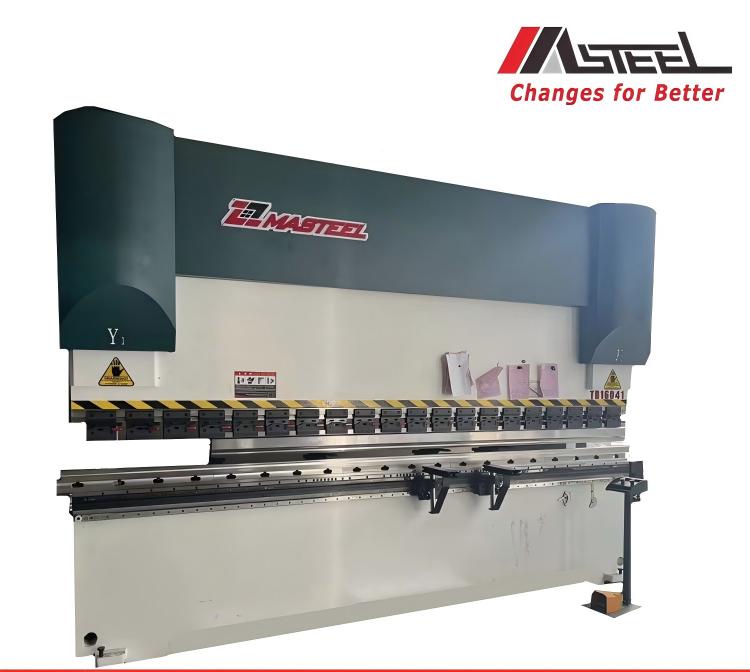
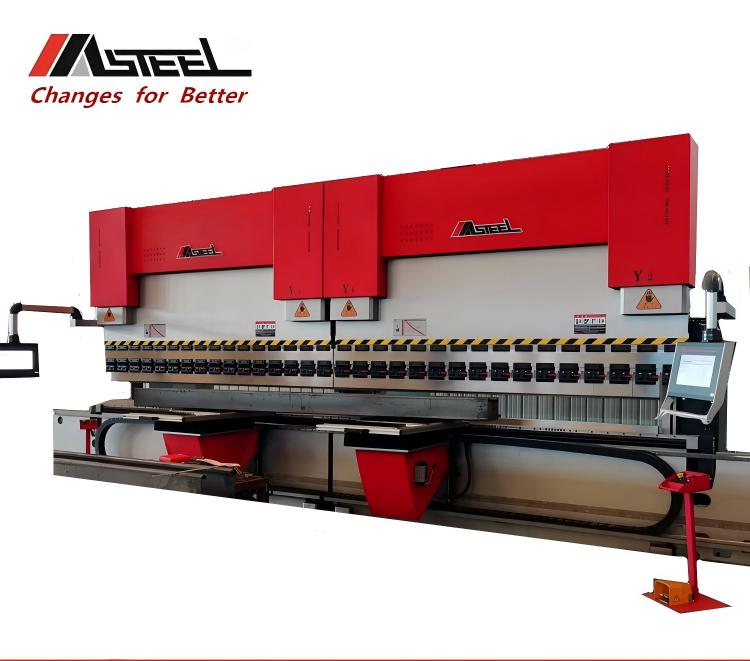
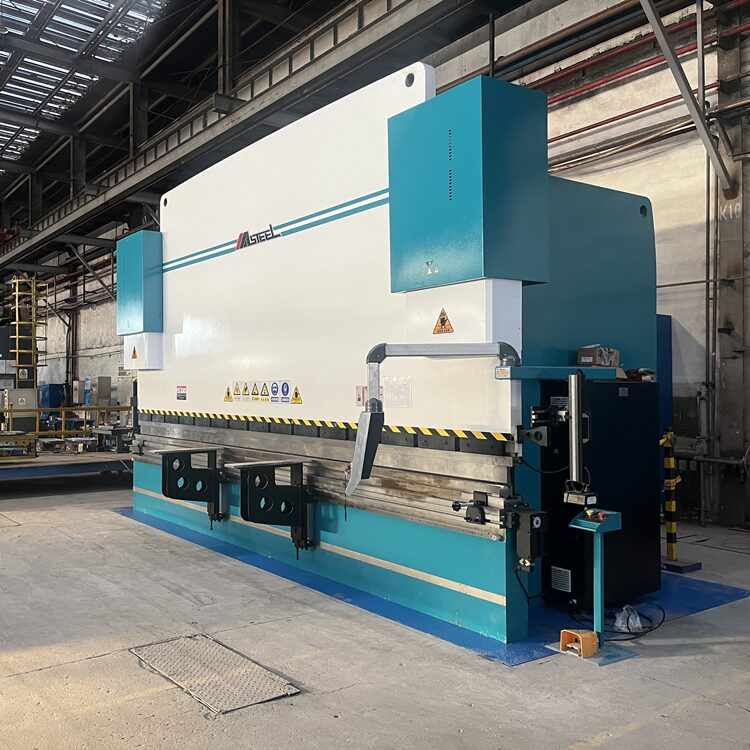
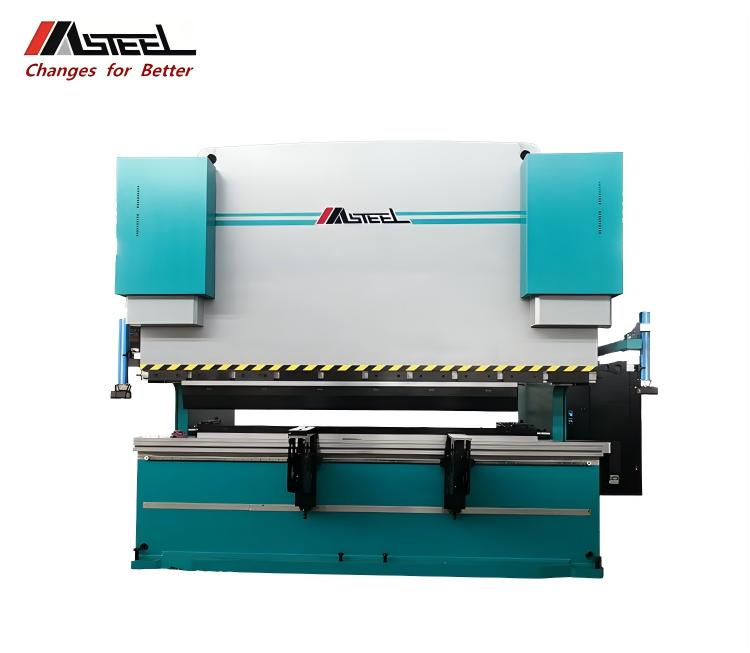
Sheet metal cabinet manufacturing requires more than simple bending. Buyers usually need stable angle accuracy, clean surface protection, repeatable backgauge positioning, and enough flexibility to handle doors, panels, frames, and small batch customization. For this reason, many cabinet manufacturers look for a press brake that can balance accuracy, efficiency, and cost.
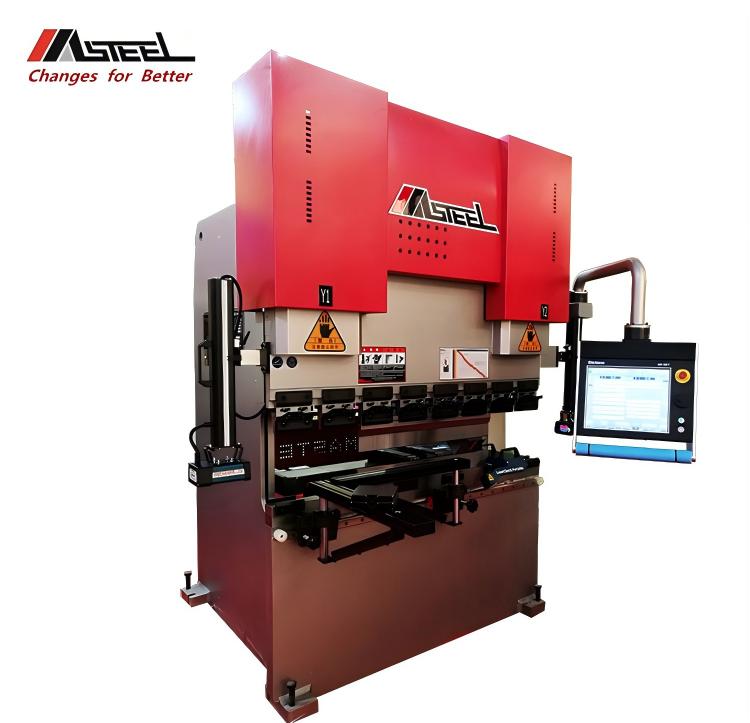
A hydraulic CNC press brake is often a practical choice for cabinet production because it can handle a wide range of sheet metal parts while keeping tooling changes and programming manageable. Whether you produce electrical cabinets, control boxes, server cabinets, or storage enclosures, the right bending setup can improve finished-part consistency and reduce rework.
Why Press Brakes Are Common in Cabinet Manufacturing
Cabinet parts usually include side panels, doors, reinforcement parts, mounting plates, and enclosure frames. These parts often require:
- multiple bending lines on one sheet
- consistent angle accuracy across repeated jobs
- clean bends on coated or stainless materials
- flexible tooling for different edge forms and flange sizes
- reliable production for both standard and custom cabinet orders
Compared with manual bending methods, a CNC press brake gives cabinet manufacturers better control over angle, position, and repeatability. This matters even more when the job includes narrow flanges, several bends in sequence, or tight dimensional tolerance for assembly.
Typical Cabinet Parts Made on a Press Brake
In cabinet production, a press brake may be used for:
- electrical cabinet doors
- enclosure side panels
- distribution box covers
- server rack sheet metal parts
- support brackets and internal mounting plates
- stainless steel cabinet frames
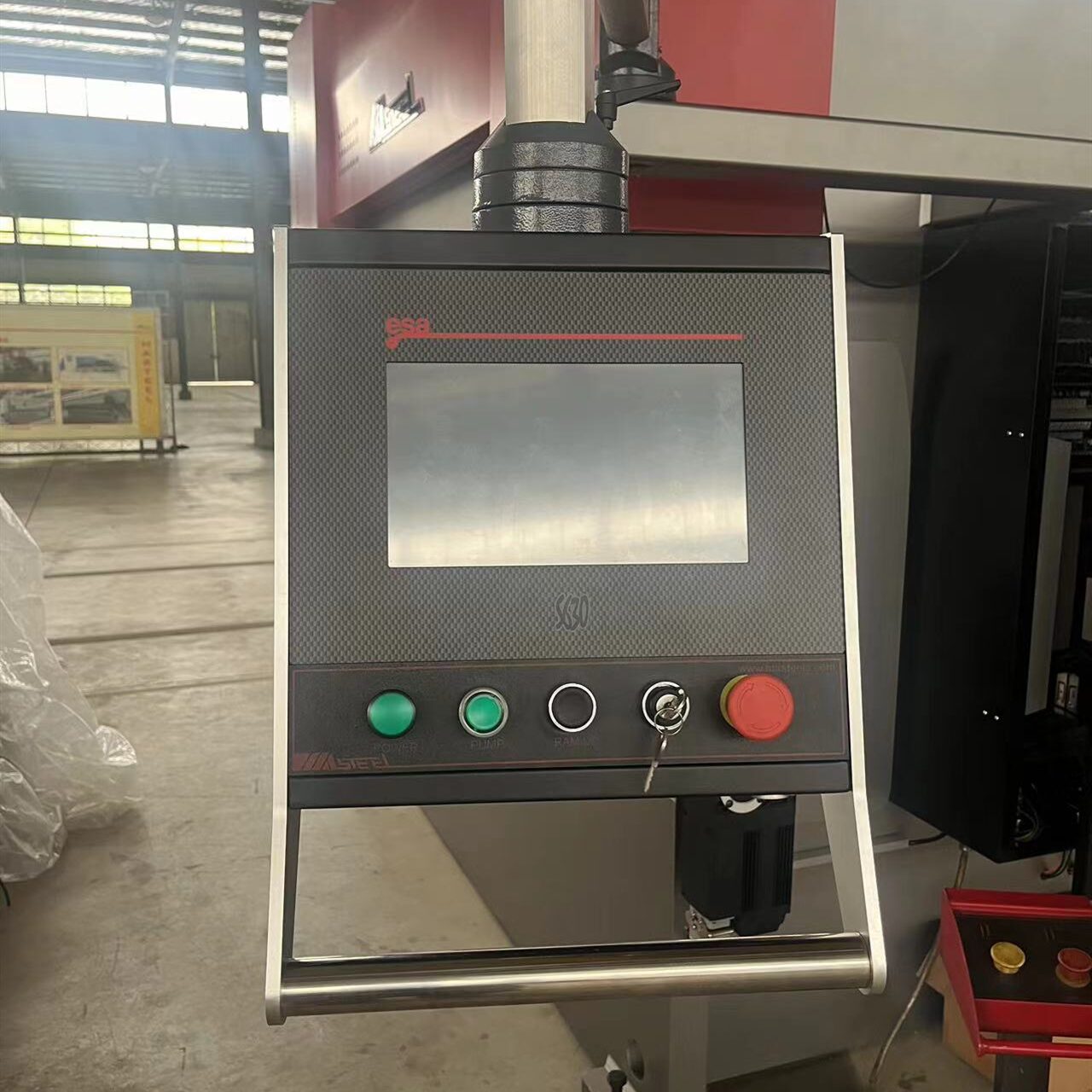
If your factory handles different cabinet sizes and frequent drawing changes, CNC control becomes especially useful. Operators can save programs, reduce setup time, and switch between parts more efficiently.
What to Check When Choosing a Press Brake for Cabinet Production
1. Material Type and Thickness
Cabinet manufacturers commonly bend mild steel, stainless steel, and sometimes aluminum. Different materials require different tonnage and tooling considerations. Stainless steel usually needs more attention to springback, while aluminum may require careful surface protection.
If you are quoting a machine, material type and thickness are always basic inputs. Without them, it is difficult to recommend the right tonnage and tooling combination.
2. Bending Length
Many cabinet parts are not extremely thick, but some are long. That means machine selection is often limited not only by tonnage, but also by workable bending length. A shorter machine may have enough force, but still cannot handle a long panel or cabinet door.
For this reason, buyers should confirm the maximum part length they need to bend, not just the material thickness.
3. Backgauge Accuracy
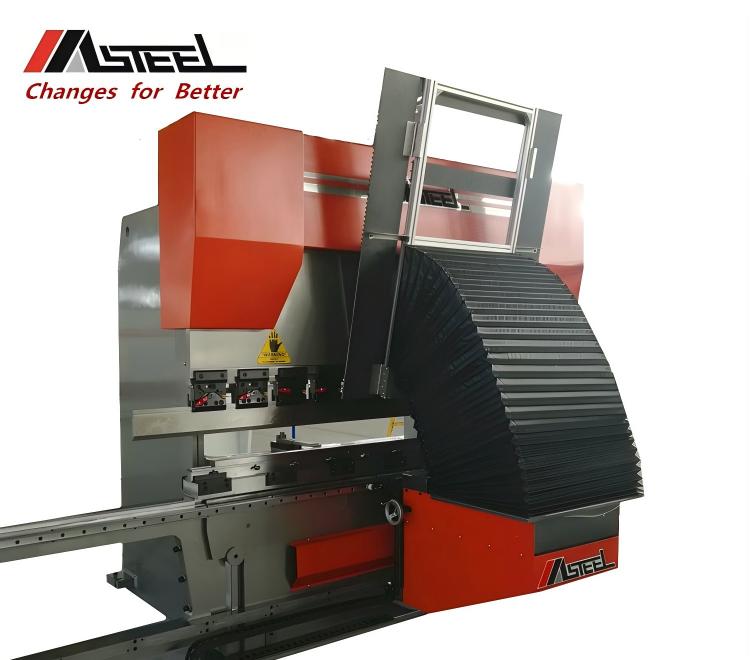
Cabinet production usually involves repeated dimensions. A stable CNC backgauge helps ensure flange consistency from one piece to the next. This improves assembly accuracy and reduces fitting problems during downstream work.
If your product mix includes enclosure panels with several different bend positions, backgauge performance has a direct effect on efficiency.
4. Tooling Flexibility
Cabinet parts may require different V dies, punches, and special tools depending on bend shape and edge design. A flexible tooling setup helps the machine adapt to different cabinet models without excessive downtime.
For factories producing both standard cabinets and custom sheet metal enclosures, tooling compatibility is important for long-term use.
5. Surface Protection and Product Finish
For visible cabinet parts, surface quality matters. Scratches, indentation, or deformation can affect the final appearance. This is especially important for stainless steel cabinets or painted sheet metal parts.
The right tooling selection, machine adjustment, and handling process can help reduce marking and maintain a cleaner finish.
When a CNC Press Brake Is a Good Fit
A press brake is usually a good fit for cabinet manufacturing if your factory needs:
- flexible production across many part sizes
- repeatable bending for batch orders
- practical CNC control without excessive automation cost
- stable results for mild steel, stainless steel, or aluminum parts
- room to expand into custom enclosure or electrical cabinet work
For many growing sheet metal factories, a CNC hydraulic press brake offers a solid balance between investment cost and production capability.
How Fangyu Supports Cabinet Manufacturing Projects
At Fangyu, we can recommend press brake solutions based on your actual workpiece requirements rather than giving a generic model suggestion. If your project is related to cabinet manufacturing, we focus on the real production inputs first, such as material, thickness range, bending length, drawing details, and delivery destination.
This helps us suggest a more suitable machine configuration for your production line, whether you need a machine for standard electrical cabinets, custom sheet metal enclosures, or mixed-product manufacturing.
Send Your Cabinet Bending Requirements
If you are looking for a press brake for cabinet manufacturing, send us the following details for a faster recommendation:
- material type
- thickness
- working size
- drawing
- destination country
- bending length
- required tonnage
With this information, we can help you check a more suitable press brake solution for your production needs.
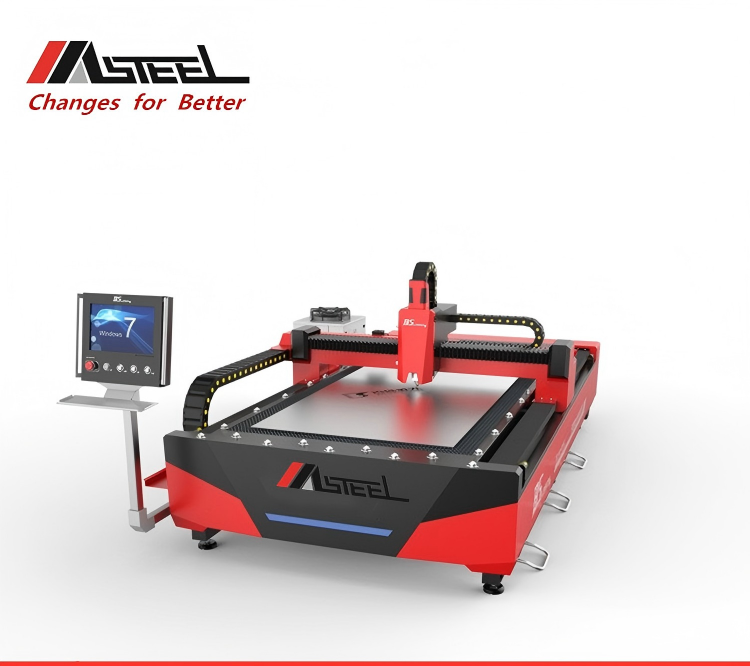
Related Machines: CNC Hydraulic Press Brake · Torsion Bar Press Brake · Fiber Laser Cutting Machine
Suggested reading: Press Brake · Laser Cutting Machine · Contact Us