Why Door Panel Factories Need a Different Press Brake Buying Standard
Steel door and fire door production is not the same as bending small brackets or short box parts. Door skins, side frames, lock reinforcement parts, hinge areas, and internal stiffeners all have different bending needs, but they still have to come together into one finished product with good straightness and reliable assembly.
If the press brake is not matched correctly, factories quickly run into common problems: long bends that drift in the middle, flange sizes that vary from piece to piece, visible surface marks on painted panels, and slow output when operators have to keep adjusting positions manually.
That is why buyers in this industry should not start from tonnage alone. The real decision depends on material type, thickness range, panel size, bending length, tooling, and whether the machine can hold repeatability on long and visible parts.
Typical Parts in Steel Door and Fire Door Fabrication
A steel door factory may bend:
- door skins and outer panels
- door frames and jamb parts
- hinge reinforcement parts
- lock plate areas and support brackets
- fire door stiffeners and inner structures
- ventilation or access panel covers on specialty doors
Many of these parts use mild steel, galvanized steel, or sometimes stainless steel, often in ranges such as 0.8 mm to 2.0 mm for skins and lighter panels, with thicker reinforcement parts in selected areas. The challenge is not always extreme thickness. Very often, the bigger challenge is keeping long bends straight and making repeat batches without variation.
The Main Bending Problems in Door Panel Production
1. Long Visible Panels Make Straightness More Important
A door skin may not be very thick, but it is usually long and visually exposed. If the bend line is inconsistent, the finished door can look twisted or uneven after welding, assembly, or coating. This is one reason why long-panel buyers should also review Press Brake for Long and Heavy Workpieces, because bed deflection, support, and handling matter even when the sheet is not especially thick.
2. Mixed Parts Mean the Machine Must Cover More Than One Job Type
One order may include thin outer skins, while another also includes thicker hinge plates or reinforcement channels. If the machine is selected only for the thinnest sheet, it may struggle on the heavier parts. If it is selected only for the thickest part, the daily door-skin work may become inefficient. Buyers should size the press brake around the real mix of parts, not around one extreme example.
3. Tooling Choice Affects Both Accuracy and Surface Quality
Wrong punch radius or die opening can leave marks, create angle variation, or cause unstable flange dimensions on long door parts. Shops that are still reviewing tooling basics should also read Press Brake Tooling Guide: Punch and Die Selection Made Simple, because tooling selection is a direct part of product quality for steel and fire door lines.
4. Fire Door Parts Need Repeatability, Not Just Force
Fire door production often depends on consistent frame dimensions, reinforcement placement, and repeatable folds from batch to batch. A machine that makes one correct sample but drifts during production is not a strong solution. Stable backgauge movement, reliable ram control, and good operator support matter as much as nominal tonnage.
What Buyers Should Check Before Choosing a Press Brake for Door Panels
1. Material Type and Thickness Range
Do not say only “steel door parts.” The supplier needs to know whether your main work is mild steel, galvanized steel, or stainless steel, and what thickness range is most common. The right configuration for 1.0 mm painted door skins may not be the same as the right configuration for 2.0 mm frame parts.
2. Maximum Panel Size and Bending Length
The most important machine question is often not the smallest part, but the largest one. Buyers should clearly share the maximum bending length and largest working size. This helps determine bed length, frame rigidity, support needs, and whether a standard press brake is enough.
3. Tonnage Should Be Calculated on Real Parts
Longer parts, thicker frames, and different materials all change the force requirement. If you are still checking capacity, review Press Brake Bending Force Calculation: How to Match Tonnage to Your Sheet Metal Job before locking the machine model. Tonnage should be based on actual material, thickness, die opening, and bending length instead of guessing from old jobs.
4. Crowning and Sheet Support Should Not Be Treated as Optional on Long Doors
When the panel gets longer, straightness becomes harder to hold across the full bend line. Automatic or manual crowning helps compensate for deflection, while front support reduces sagging and operator drag during bending. Buyers who already make large cabinet panels may also find Press Brake for Cabinet Manufacturing useful, because cabinet and door work share similar accuracy concerns on wide sheet metal parts.
5. Backgauge Consistency and Program Repeatability
Door production often includes repeated sizes and fixed hole positions. If the backgauge is unstable, flange depth and bend location start drifting, and downstream welding or fitting becomes slower. A practical CNC system should help the operator repeat the same part without frequent manual correction.
Which Press Brake Type Usually Fits Steel Door and Fire Door Production?
For many factories, the best machine route depends on the product mix.
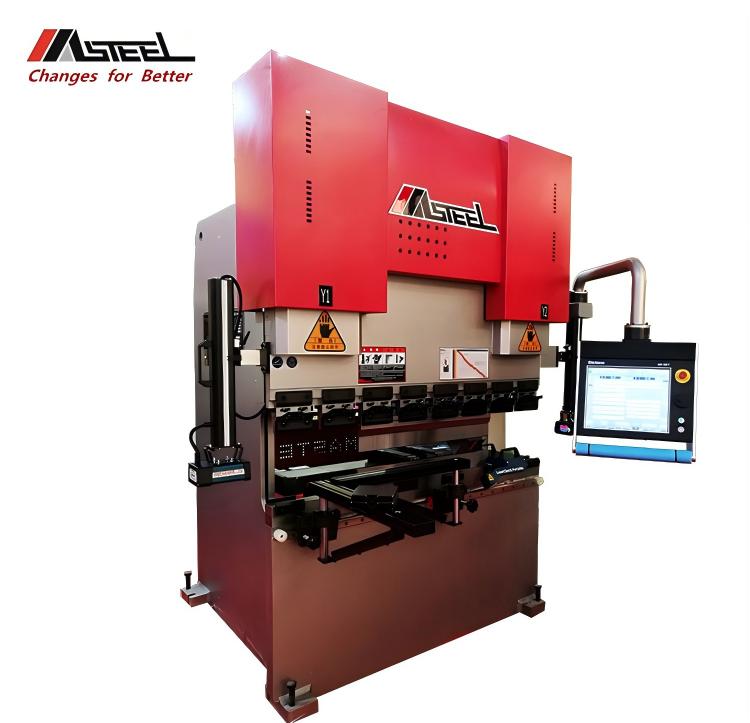
- Oil-electric hybrid CNC press brake is often a practical choice for thin door skins, repeated daily batches, and lower operating cost.
- Electro-hydraulic servo CNC press brake is a safer choice when the factory handles mixed thicknesses, longer panels, or higher output pressure.
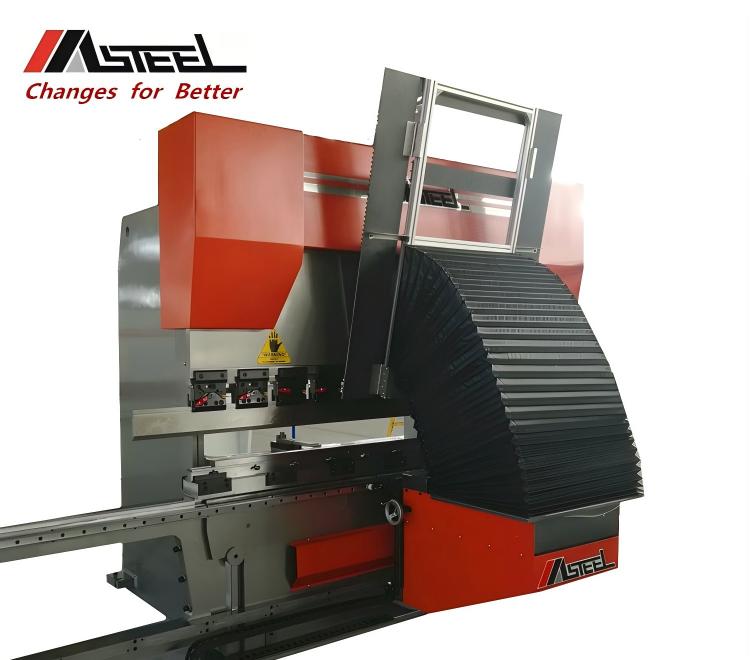
- Support systems or long-panel handling solutions become more valuable when the factory frequently bends larger visible panels and wants better straightness control.
In other words, the right machine is not simply the strongest one. It is the one that can keep the majority of your steel door and fire door jobs stable, efficient, and repeatable.
What Information to Send Before Asking for a Recommendation
To get a faster and more accurate press brake recommendation for steel door and fire door production, send Fangyu:
- material type
- thickness
- working size
- drawing
- destination country
- bending length
- tonnage (if already calculated)
With these details, Fangyu can recommend a more suitable press brake structure, controller level, tooling direction, and support setup for your project.
CTA
Need a press brake recommendation for steel door or fire door panels?
Please send us the following information:
- material type
- thickness
- working size
- drawing
- destination country
- bending length
- tonnage (if known)
We will review your parts and recommend a suitable press brake configuration for your production.
Related Machines
-
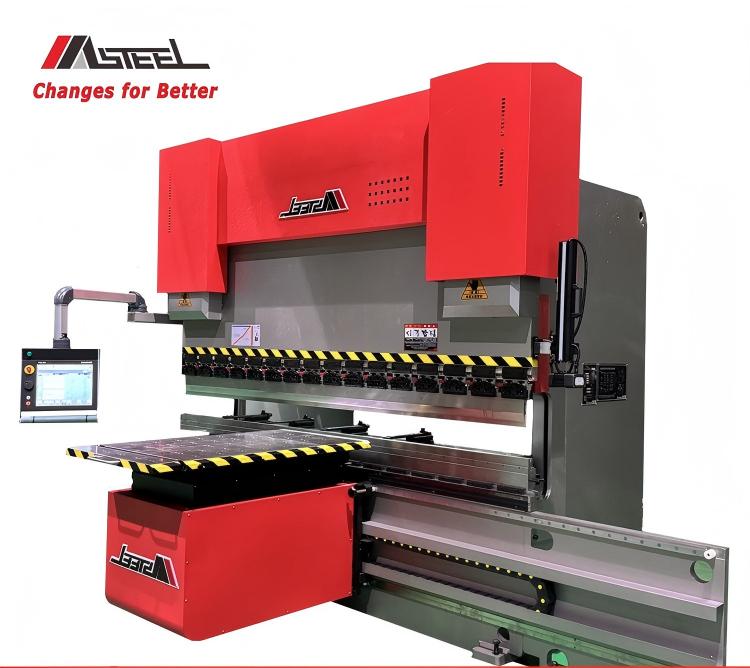
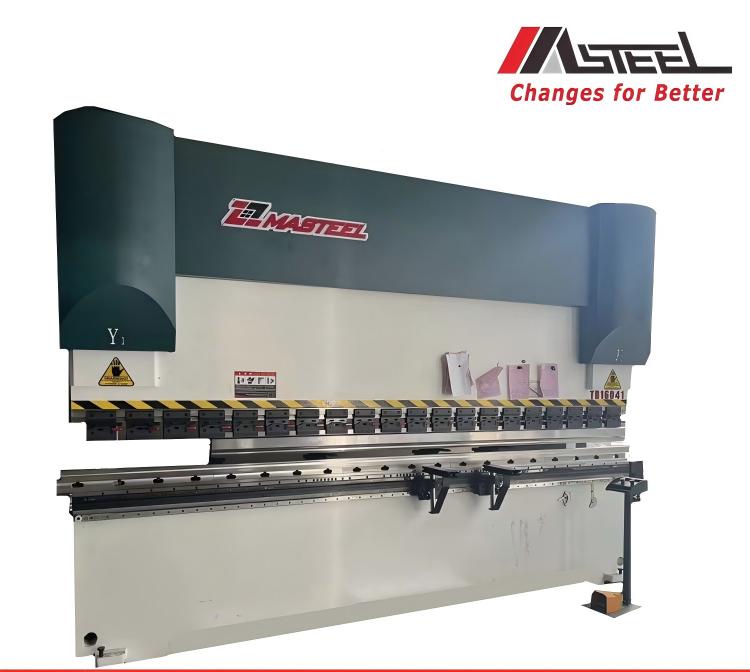
Masteel 05020 Oil-Electric Hybrid CNC Press Brake
Suitable for thin door skins, repeat daily batches, and lower operating cost. -
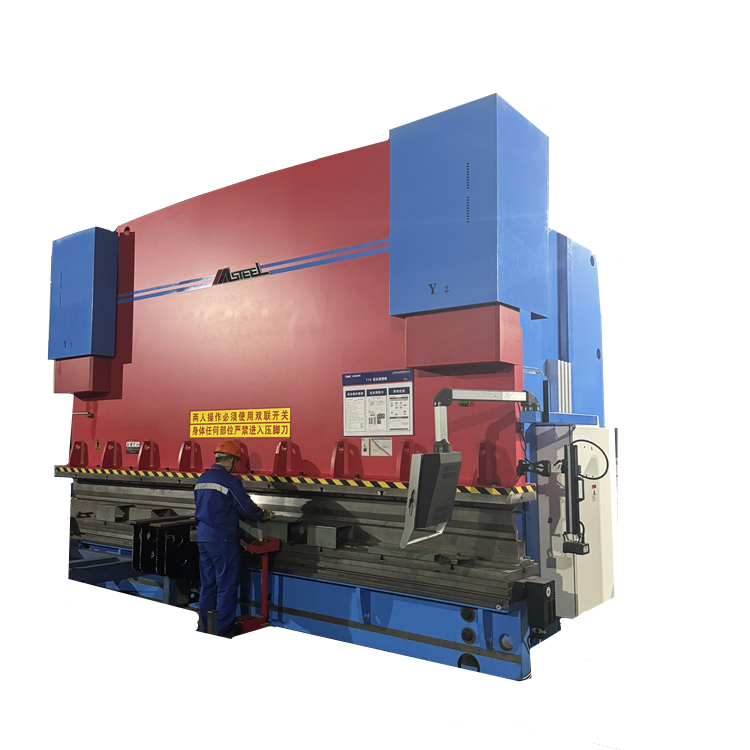
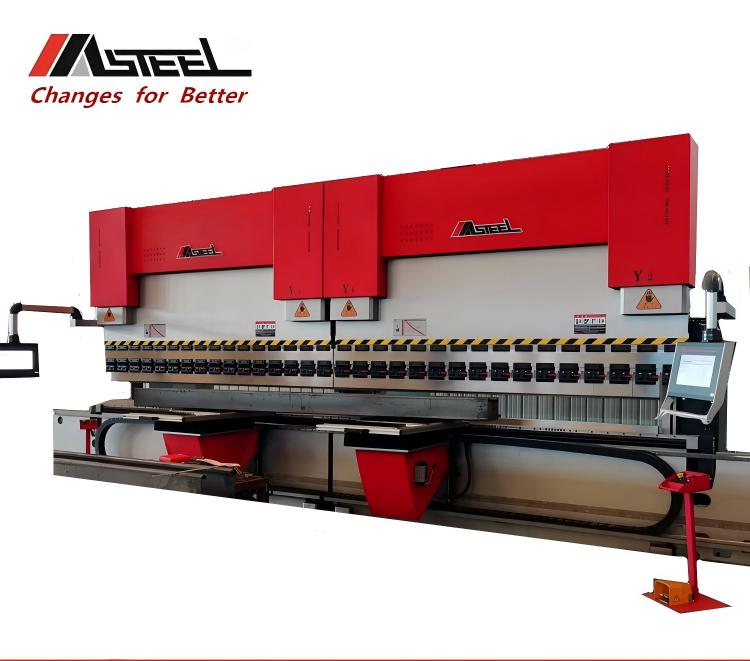
Masteel Electro-Hydraulic Servo CNC Press Brake
Better for mixed door-panel workloads, longer parts, and factories that need stronger bending stability. -
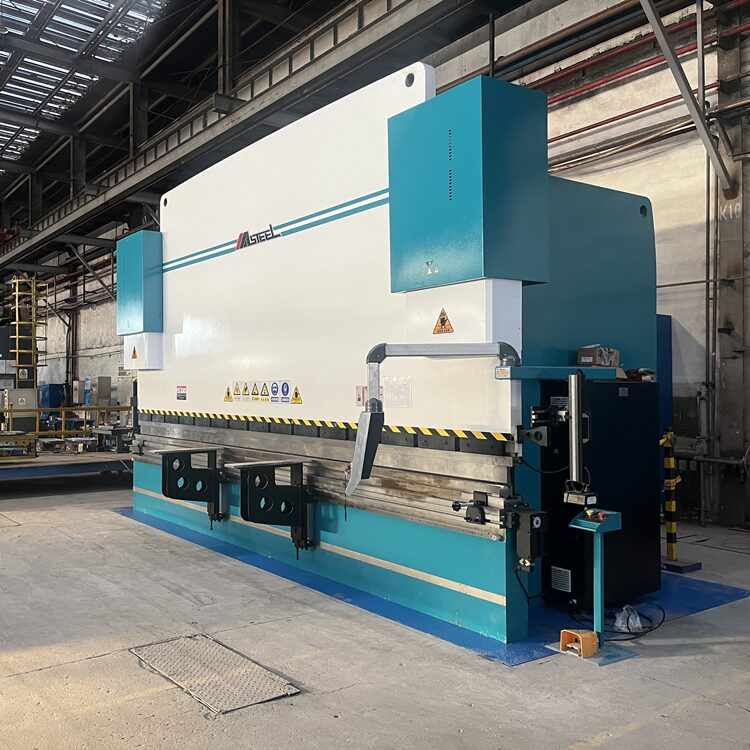
Dalian CIMC 50061 Oil-Electric Hybrid CNC Press Brake
A practical option when buyers want more tonnage margin while keeping hybrid efficiency for repeated production. -
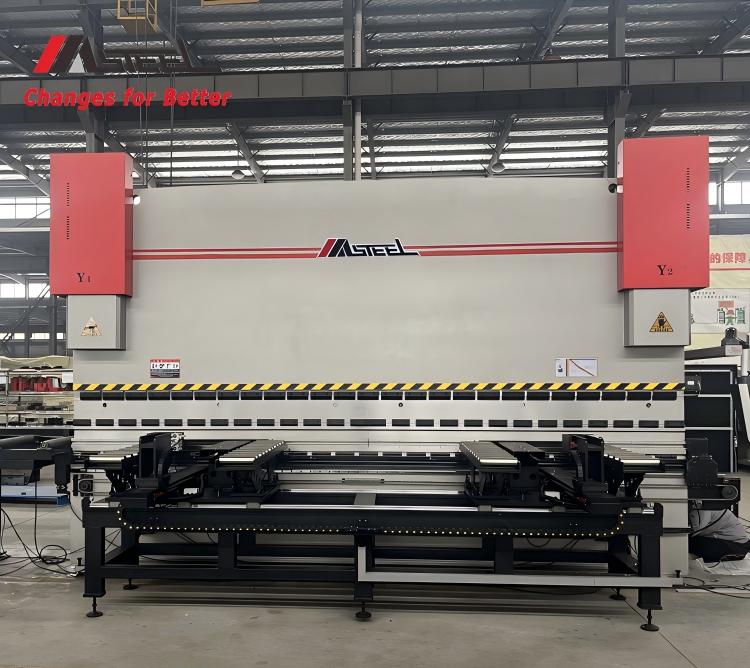
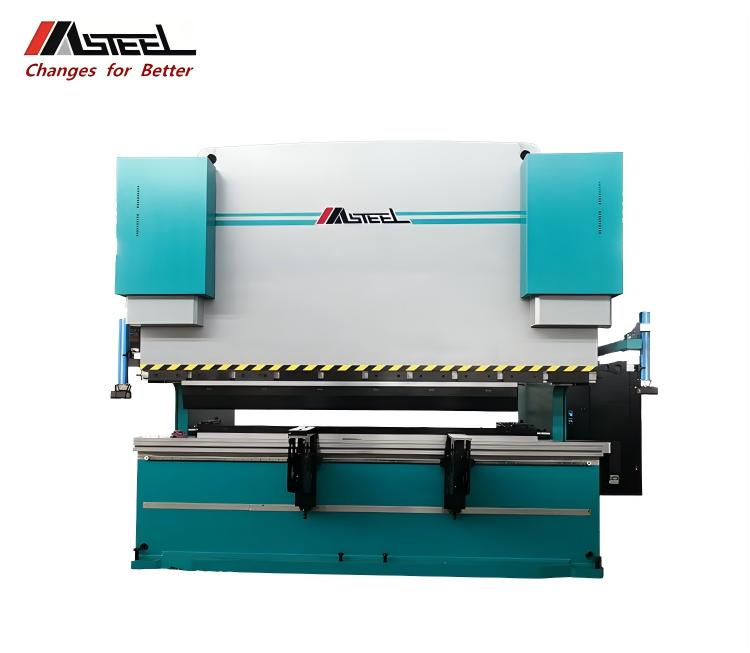
Masteel Servo-Following Front Sheet Support System
Helpful when long door panels need better handling support and improved bend stability.