Why Kitchen Equipment Factories Need a Different Press Brake Buying Standard
Commercial kitchen equipment looks simple from a distance, but the bending requirements are not simple at all. Stainless steel cabinets, worktables, sink frames, exhaust hood panels, storage racks, and appliance covers all demand clean surfaces, neat edges, and repeatable dimensions. If the press brake cannot hold angle consistency or protect the sheet surface, the factory will spend extra time on rework, polishing, and assembly correction.
This is why kitchen equipment buyers should not choose a press brake by tonnage alone. In this application, the real decision also depends on surface protection, controller accuracy, tooling selection, and how efficiently the machine handles thin and medium stainless sheet in repeated daily production.
For many buyers, the challenge is not whether the machine can bend stainless steel. The real question is whether it can bend stainless steel fast enough, cleanly enough, and consistently enough for export-quality kitchen products.
Typical Stainless Steel Parts in Kitchen Equipment Production
A kitchen equipment factory may produce:
- Stainless steel cabinets and doors
- Worktable frames and folded panels
- Sink bodies and sink support parts
- Exhaust hood shells and filter frames
- Shelving brackets and enclosure covers
- Food service trolley parts and corner reinforcements
Most of these parts use stainless steel such as 201, 304, or 316, usually in thickness ranges from 0.8 mm to 3.0 mm, with some structural parts going slightly higher. The bends are often short to medium in length, but the appearance standard is high. Even small scratches, angle inconsistency, or flange size errors can create fitting problems during final assembly.
The Main Bending Problems in Stainless Kitchen Equipment Work
1. Surface Scratches on Visible Stainless Panels
Kitchen equipment buyers often care as much about the finish as the structure. If the press brake setup leaves tooling marks, pressure lines, or scratches on brushed or polished stainless steel, the final product may no longer be acceptable for visible installation areas.
That means the machine setup must work together with suitable tooling, protective film handling, and stable sheet support.
2. Springback Causes Angle Variation
Stainless steel springs back more than mild steel. If the controller, tooling, and compensation settings are not matched correctly, two parts cut from the same sheet can still come off the machine with slightly different angles. On kitchen cabinets, sink frames, and box-type structures, that difference quickly turns into assembly trouble.
3. Repeatability Matters More Than One-Time Success
A workshop may run the same door panel or shelf bracket hundreds of times. The machine must repeat the same backgauge position and bend depth across the batch. A press brake that produces one correct sample but drifts later is not a good production solution.
4. Frequent Product Changeovers
Kitchen equipment factories often produce many SKUs in small and medium batches. This means fast setup, easy programming, and reliable controller memory are valuable. A machine that takes too long to change tools or re-enter programs can reduce daily output even if its raw tonnage is enough.
What Buyers Should Check Before Choosing a Press Brake
1. Material Type and Thickness Range
Do not say only “stainless steel.” A supplier needs to know whether you are bending 201, 304, or 316 stainless, and what thickness range is most common. A machine selected for 1.0 mm to 1.5 mm decorative panels may not be the best match for 3.0 mm sink support parts.
2. Bending Length and Working Size
Some kitchen equipment parts are compact, while others use long side panels, countertop covers, or hood panels. The right machine depends on the maximum bending length and the largest working size, not only on thickness.
If your factory regularly bends long side panels, stable backgauge positioning and good front support become more important.
3. Controller and Backgauge Accuracy
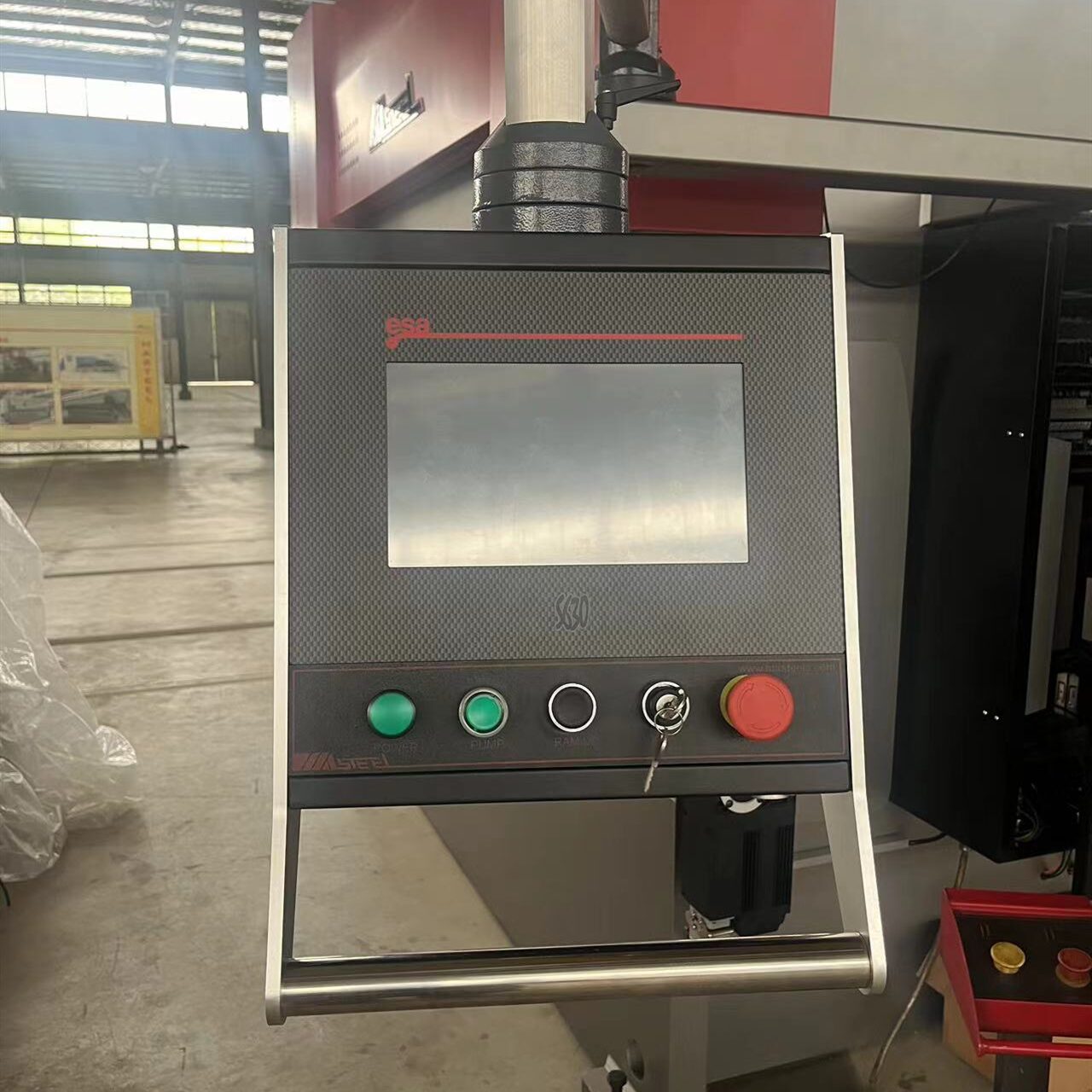
For kitchen equipment, repeatability is one of the most important buying points. A CNC press brake with stable backgauge movement helps keep flange size consistent from part to part. This matters especially for box assemblies, doors, shelves, and panels that must match punched holes or welded frames later.
4. Tooling Choice for Stainless Work
Stainless steel bending often needs properly matched punches and dies, plus attention to punch radius and die opening. A die that is too narrow can increase cracking risk and leave stronger tool marks. Buyers should also think about segmented tooling if the factory produces many box-type parts or mixed corner structures.
5. Crowning and Angle Control
Even in thinner stainless applications, angle consistency matters. A machine with reliable compensation and stable ram control helps reduce angle variation across longer bends and repeated batches.
6. Surface Protection and Sheet Handling
When appearance matters, the press brake setup should reduce sheet sliding and operator strain. Front support or specialized handling support can help when bending larger stainless panels without dragging the visible surface.
Which Press Brake Type Usually Fits Kitchen Equipment Production?
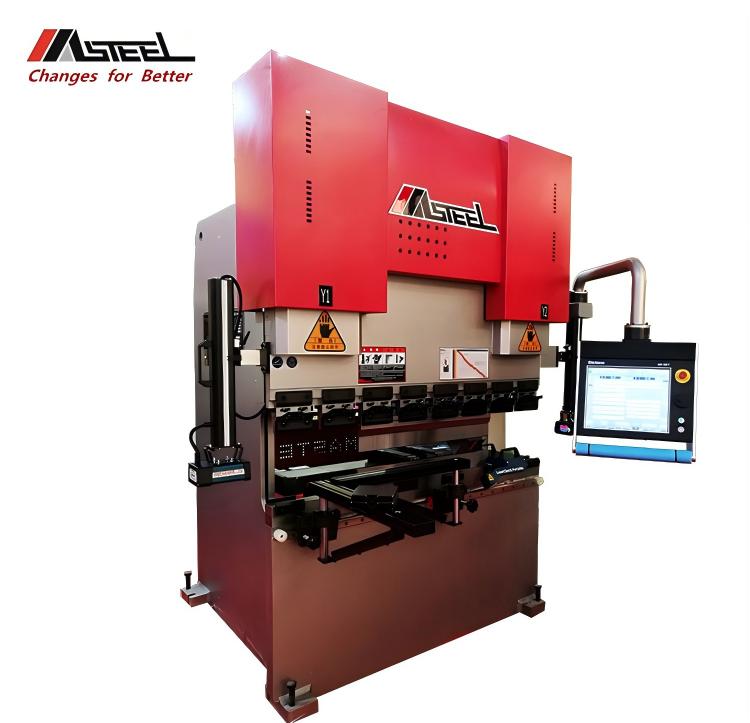
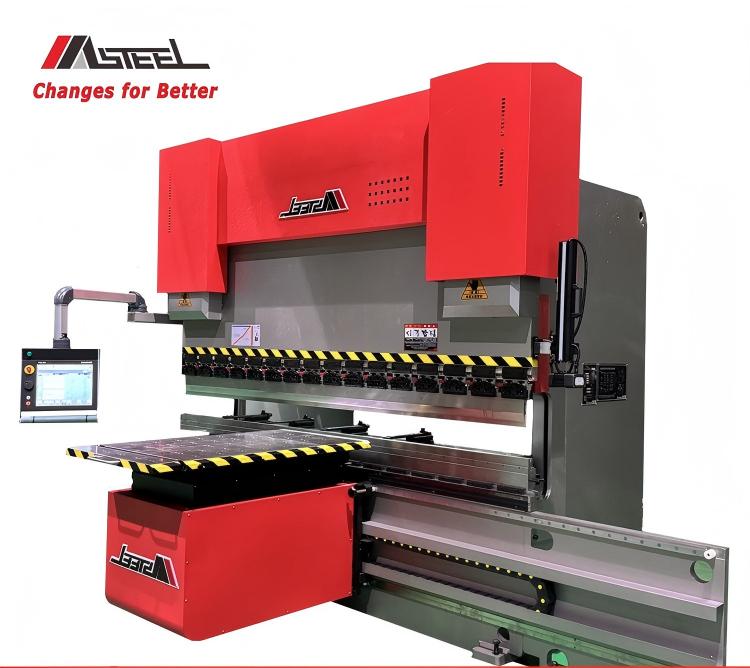
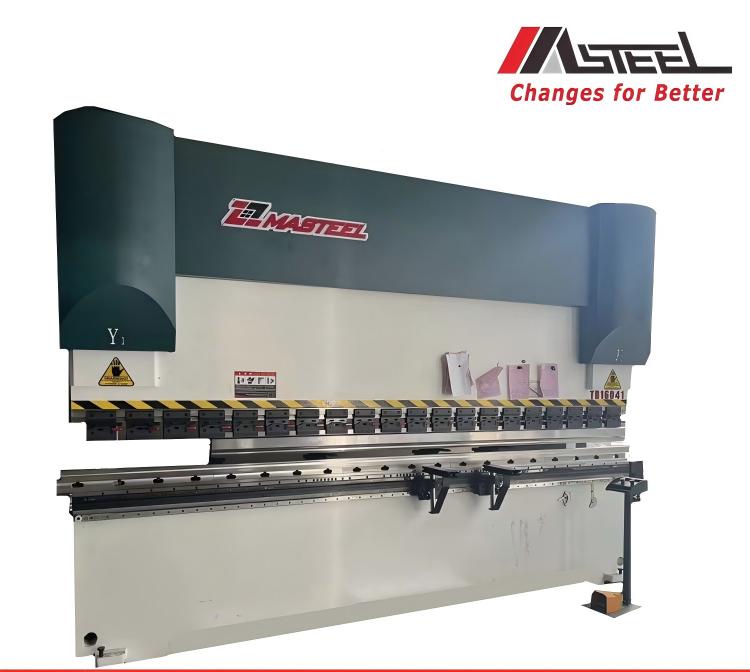
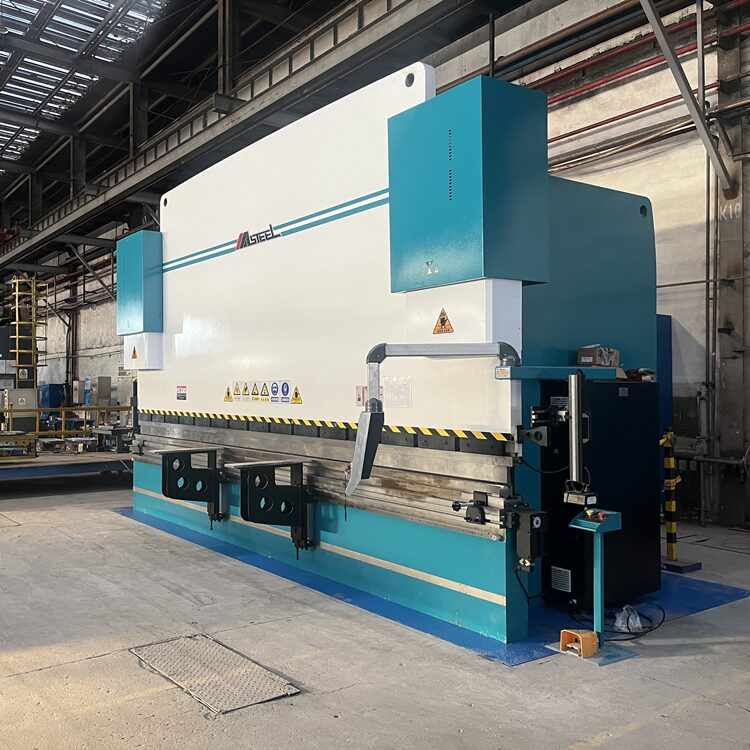
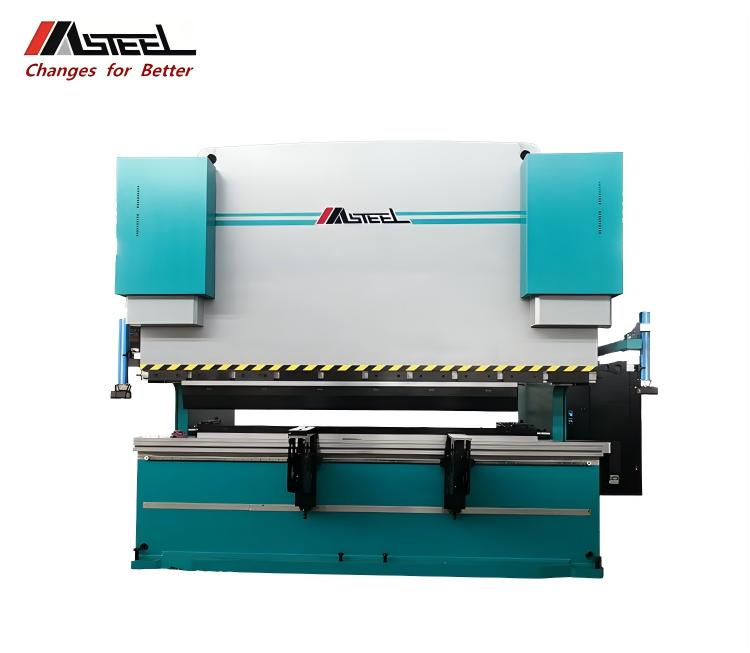
For many kitchen equipment factories, an oil-electric hybrid CNC press brake is a practical choice when the main work is thin-to-medium stainless steel with frequent daily batches. It offers good positioning control, lower energy consumption, and smooth operation for common stainless panel work.
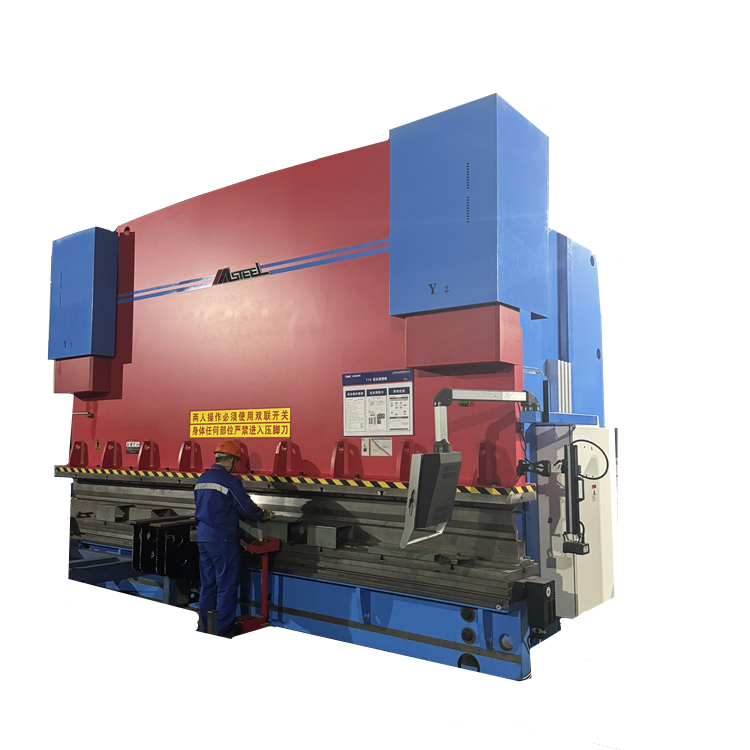
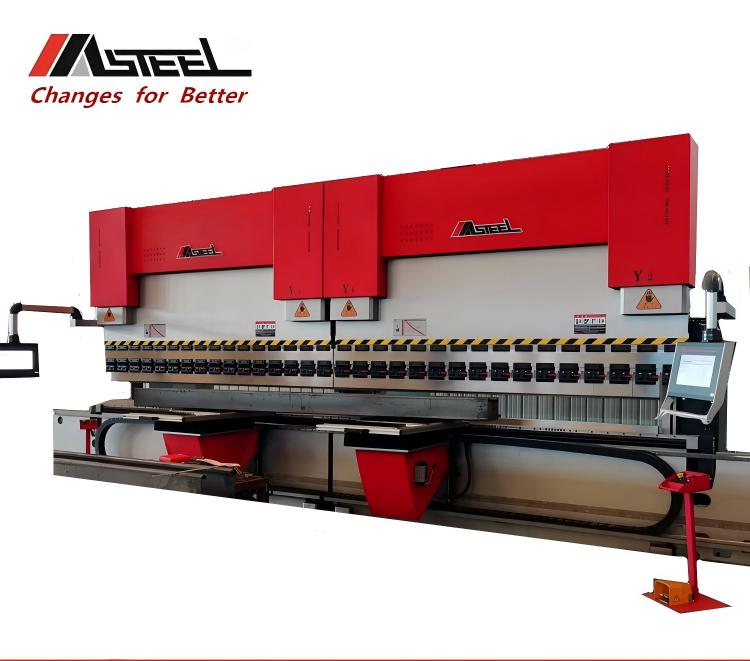
If the factory handles longer panels, mixed thicknesses, or higher production pressure, an electro-hydraulic servo CNC press brake may be the better long-term choice. It gives stronger frame rigidity, stable synchronization, and better support for more demanding bend consistency.
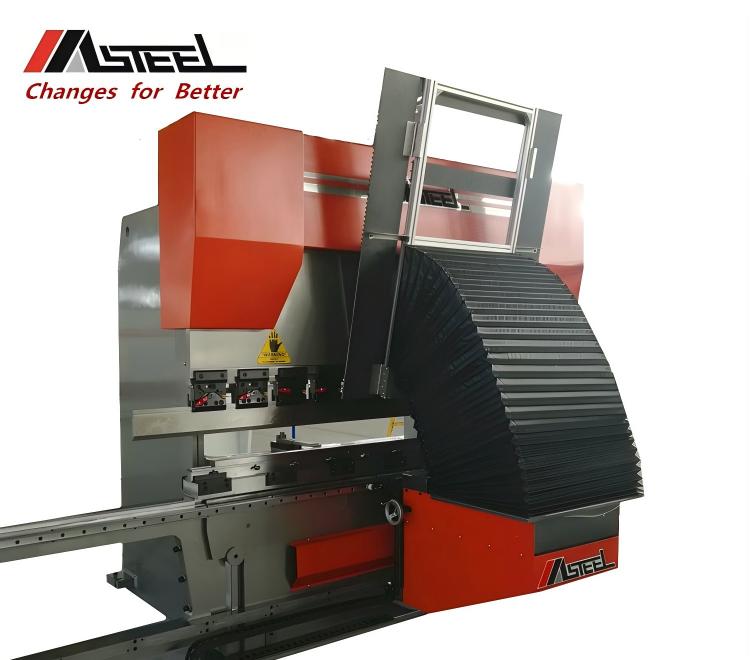
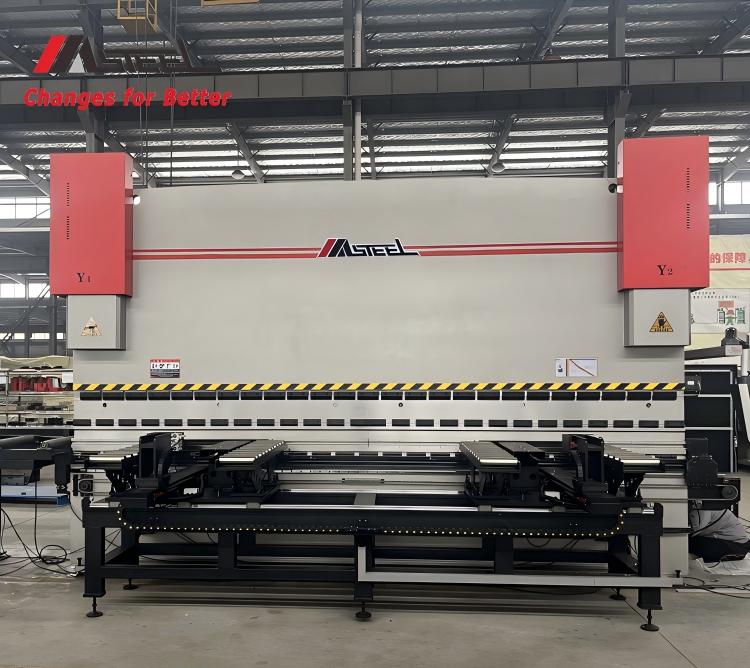
If the job includes larger stainless side panels or countertop covers, buyers may also benefit from a servo-following front sheet support system to reduce panel sagging and surface dragging.
In short, the best machine depends on the product mix:
- Thin stainless cabinets and enclosure panels: hybrid CNC press brake is often enough
- Mixed stainless parts with longer panels: electro-hydraulic servo press brake is safer
- Large visible panels with higher finish requirements: add support handling options
How Fangyu Matches a Press Brake for Kitchen Equipment Buyers
When Fangyu evaluates a kitchen equipment inquiry, the team usually checks more than one number. The recommendation depends on:
- Stainless steel grade
- Thickness range
- Maximum bending length
- Largest panel size
- Batch quantity and product mix
- Appearance requirements for visible surfaces
- Destination country
With these details, Fangyu can recommend a more suitable machine structure, controller level, tooling direction, and export packing plan.
What Information You Should Send Before Asking for a Quote
To get a faster and more accurate recommendation, send Fangyu:
- Material type
- Thickness
- Working size
- Bending length
- Tonnage (if already calculated)
- Drawing or sample photo
- Destination country
This helps the team judge whether a hybrid press brake, electro-hydraulic servo model, or support-assisted solution is the better fit for your kitchen equipment production.
Need a press brake recommendation for stainless steel kitchen equipment production?
Please send us the following information: - Material type - Thickness - Working size - Drawing - Destination country - Bending length - Tonnage (if known)
We will review your parts and recommend a suitable press brake model, tooling direction, and support configuration for your factory.
- Get Quote: https://www.fangyucnc.com/?pages_6/
- Talk to Us on WhatsApp: https://api.whatsapp.com/send?phone=+8615009731608
Related Machines
- Masteel 05020 Oil-Electric Hybrid CNC Press Brake
- A practical fit for thin stainless panels and repeatable daily kitchen equipment jobs.
- Masteel Electro-Hydraulic Servo CNC Press Brake
- A stronger route for mixed stainless workloads, longer panels, and tighter repeatability demands.
- Masteel Servo-Following Front Sheet Support System
- Useful when buyers need to reduce panel sagging and protect visible stainless surfaces.