Getting the right press brake tonnage is one of the most critical steps in any sheet metal bending operation. Underestimate the required bending force calculation, and you risk incomplete bends, damaged tooling, or even machine failure. Overestimate it, and you end up investing in a machine far larger than your shop actually needs. In this guide, we break down exactly how to calculate press brake tonnage for any bending job — whether you are working with mild steel, stainless steel, or aluminum — so you can match press brake capacity to real-world production demands.
Understanding Press Brake Tonnage and Why It Matters
Press brake tonnage refers to the total force a press brake can exert along its bending length to form sheet metal into a desired angle. It is measured in metric tons (or kilonewtons in some regions) and directly determines what material thicknesses and widths your machine can handle. Choosing the correct press brake tonnage ensures consistent bend quality, protects your tooling investment, and extends the service life of the machine itself.
Several factors influence the tonnage you need for a given job:
- Material type and tensile strength — stainless steel requires roughly 1.5× the force of mild steel for the same thickness.
- Sheet thickness — tonnage increases exponentially as material gets thicker.
- Bending length — a longer bend line means more total force, even if force per meter stays the same.
- V-die opening — a narrower v-die opening demands significantly higher tonnage than a wider one.
- Bend angle and method — air bending uses far less force than bottoming or coining.
The Standard Bending Force Calculation Formula
The most widely used bending force calculation for air bending mild steel is:
P (kN/m) = 1.42 × S² / V
Where:
- P = required force in kilonewtons per meter of bending length
- S = sheet thickness in millimeters
- V = v-die opening width in millimeters
To convert to metric tons per meter, divide the result by 9.81. Then multiply by your actual bending length in meters to get the total press brake tonnage required.
For example, bending 3 mm mild steel over a 24 mm v-die opening across a 2-meter bending length:
- P = 1.42 × 9 / 24 = 0.5325 kN/mm = 532.5 kN/m
- Tonnage per meter = 532.5 / 9.81 ≈ 54.3 tons/m
- Total tonnage for 2 m = 54.3 × 2 ≈ 108.6 tons
This bending force calculation gives you a reliable baseline. Always add a 10–20% safety margin to account for material variation and tooling wear.
How V-Die Opening Affects Press Brake Tonnage
The v-die opening is one of the most influential variables in the tonnage equation. A general rule of thumb is that the v-die opening should be 6 to 8 times the sheet thickness for standard air bending. Using a smaller v-die opening produces tighter bend radii but dramatically increases the required press brake tonnage — sometimes by 50% or more.
Here is a quick reference for common v-die opening selections:
- Sheet 1–3 mm: V-die opening = 6× thickness (e.g., 2 mm sheet → 12 mm die)
- Sheet 3–8 mm: V-die opening = 8× thickness (e.g., 6 mm sheet → 48 mm die)
- Sheet 8–12 mm: V-die opening = 10× thickness (e.g., 10 mm sheet → 100 mm die)
- Sheet >12 mm: V-die opening = 12× thickness or more
Selecting the right v-die opening is a balancing act between bend radius requirements and available press brake capacity. When in doubt, go wider — it reduces tonnage and extends tool life.
Sheet Metal Tonnage Chart: Quick Reference by Material and Thickness
A sheet metal tonnage chart saves time on the shop floor. The values below are approximate air-bending tonnages per meter of bending length using standard v-die openings (8× thickness):
- 1 mm mild steel: ~5 tons/m
- 2 mm mild steel: ~18 tons/m
- 3 mm mild steel: ~40 tons/m
- 4 mm mild steel: ~70 tons/m
- 6 mm mild steel: ~160 tons/m
- 8 mm mild steel: ~280 tons/m
- 10 mm mild steel: ~440 tons/m
- 12 mm mild steel: ~630 tons/m
For stainless steel, multiply these values by 1.5. For aluminum, multiply by 0.5. These sheet metal tonnage chart figures assume standard tooling and air bending — bottoming requires roughly 3–5× more force.
Matching Press Brake Capacity to Your Production Needs
Once you have calculated the maximum tonnage your jobs require, selecting the right press brake capacity becomes straightforward. Consider these practical tips:
- Never run at 100% capacity. Operating a press brake at its maximum rated tonnage continuously accelerates wear. Aim for 70–80% of rated capacity for your heaviest regular job.
- Account for future growth. If you plan to bend thicker materials or longer parts in the next 3–5 years, factor that into your press brake capacity decision now.
- Consider bending length independently. A 100-ton press brake with a 3-meter bed is not the same as a 100-ton machine with a 2-meter bed. The longer machine spreads force over more length, meaning less tonnage per meter is available.
- Check off-center loading limits. Most manufacturers specify a maximum tonnage for off-center bending. Exceeding this can damage the ram and frame.
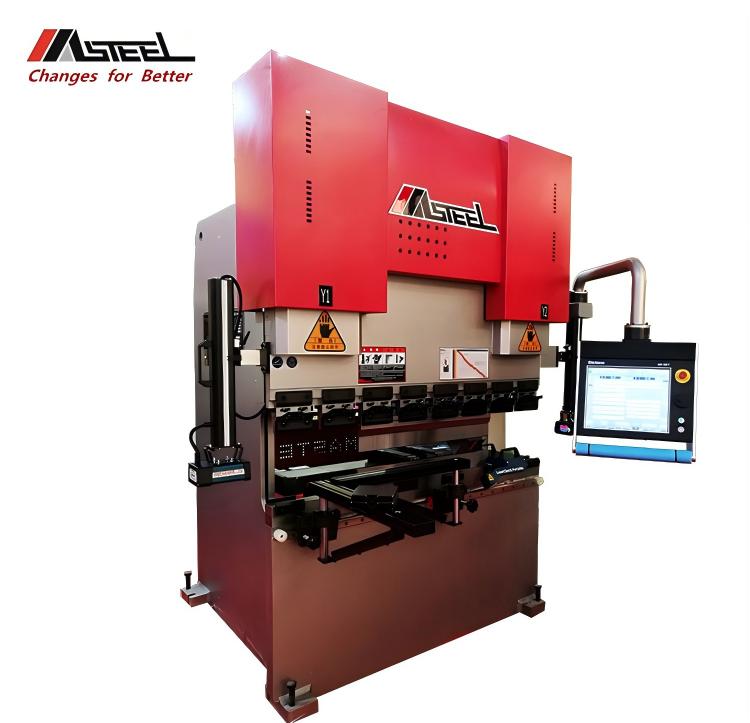
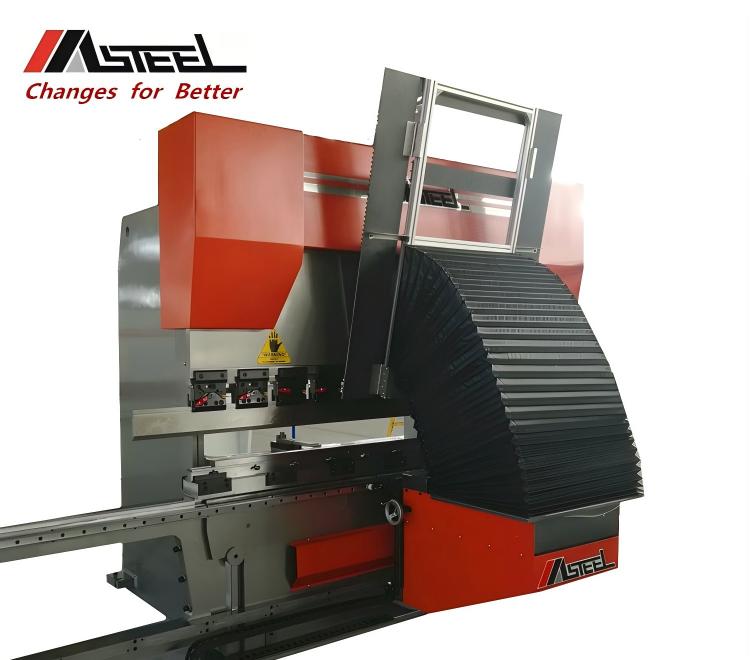
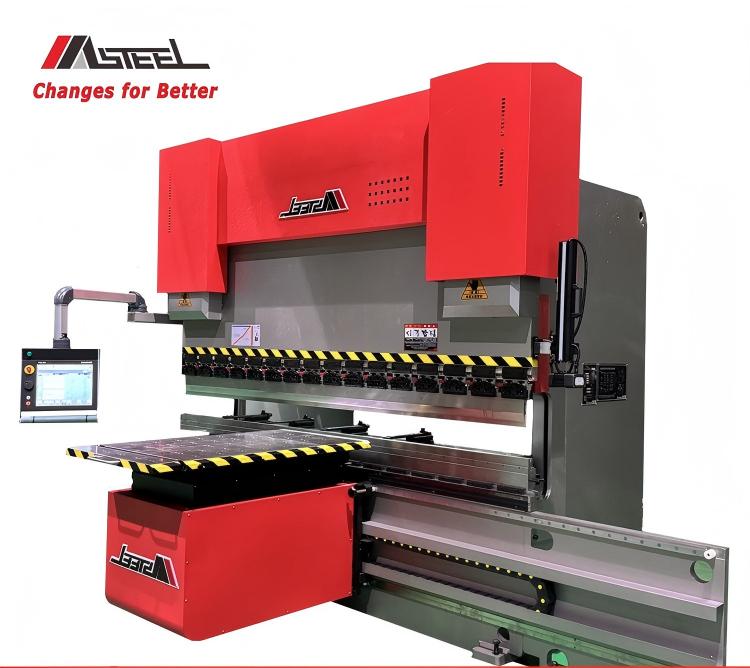
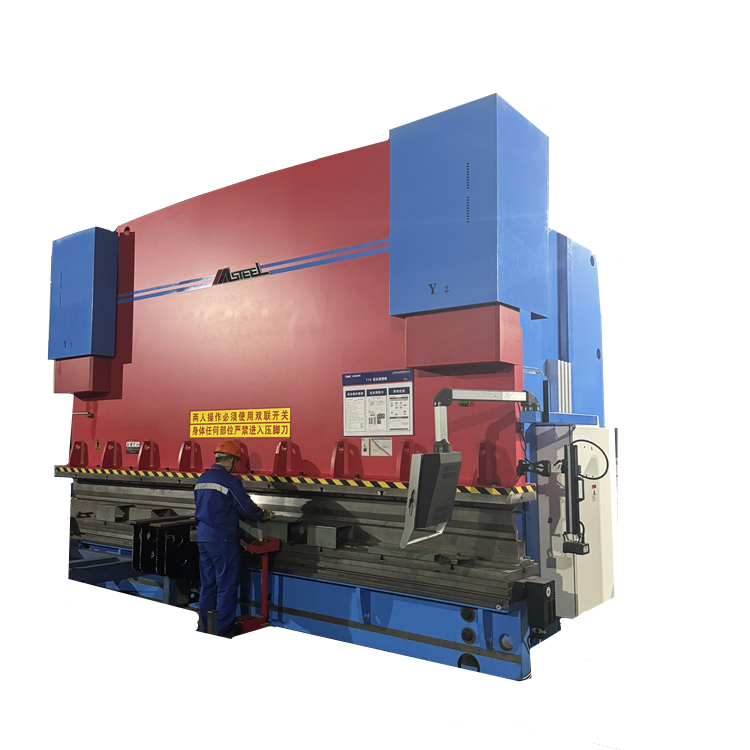
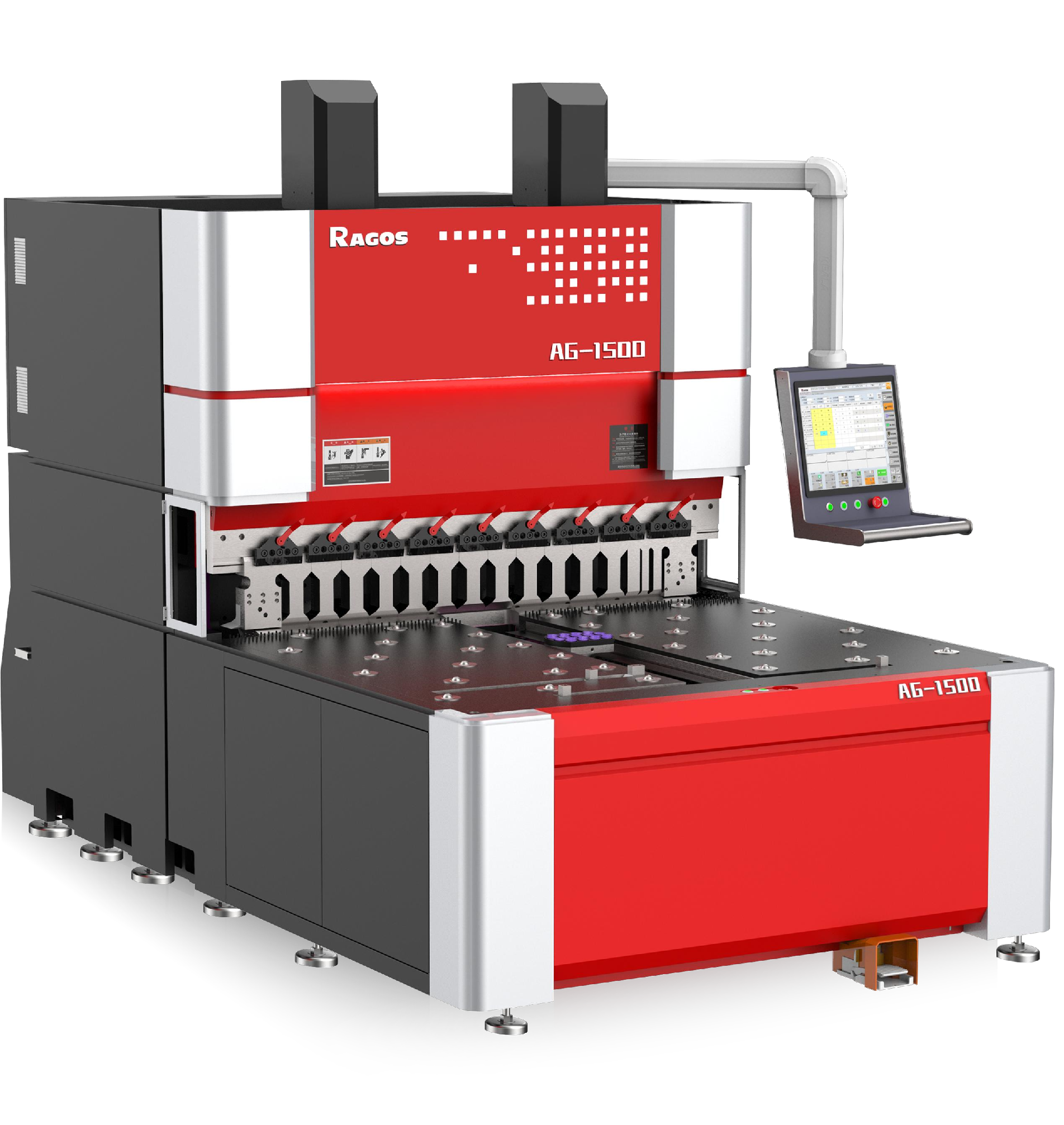
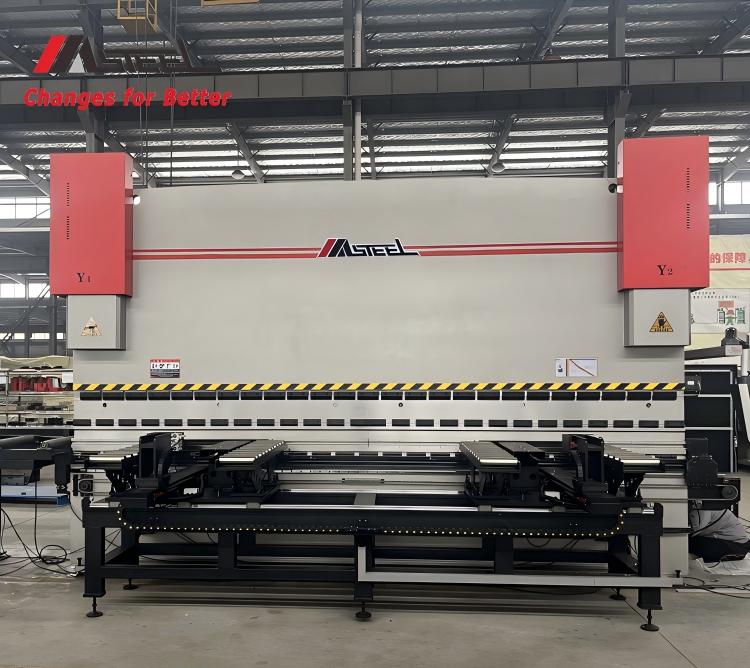
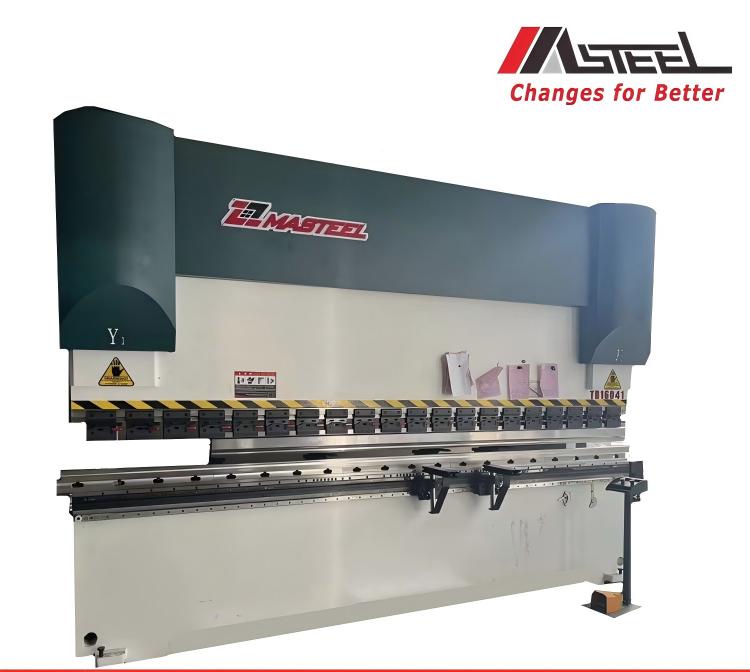
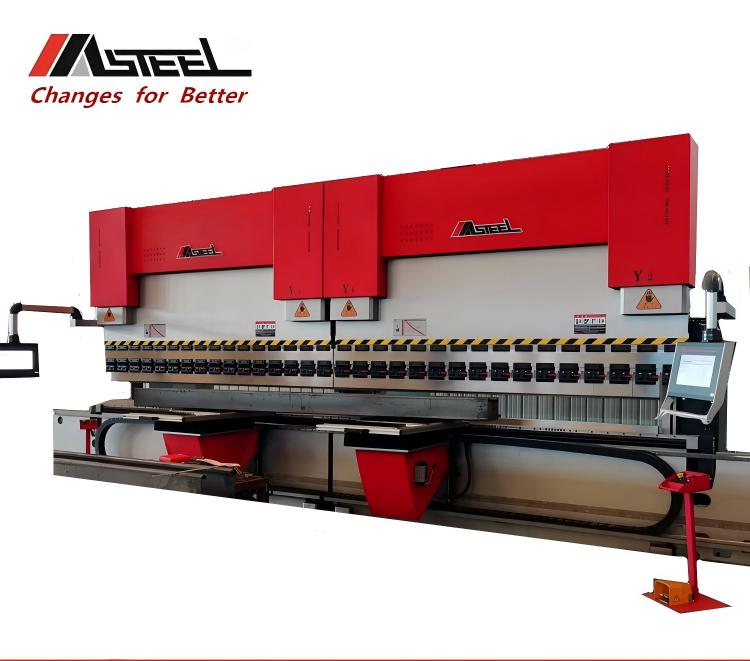
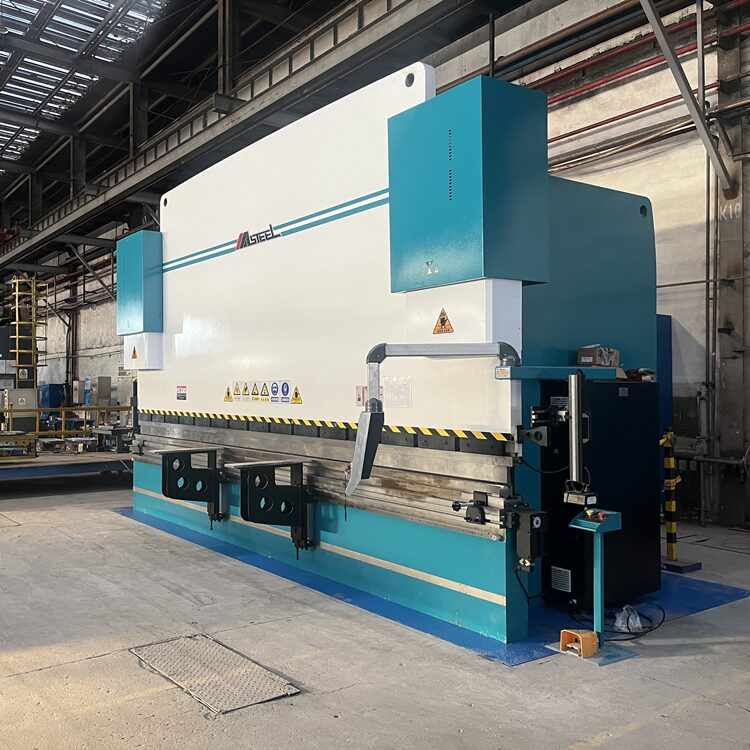
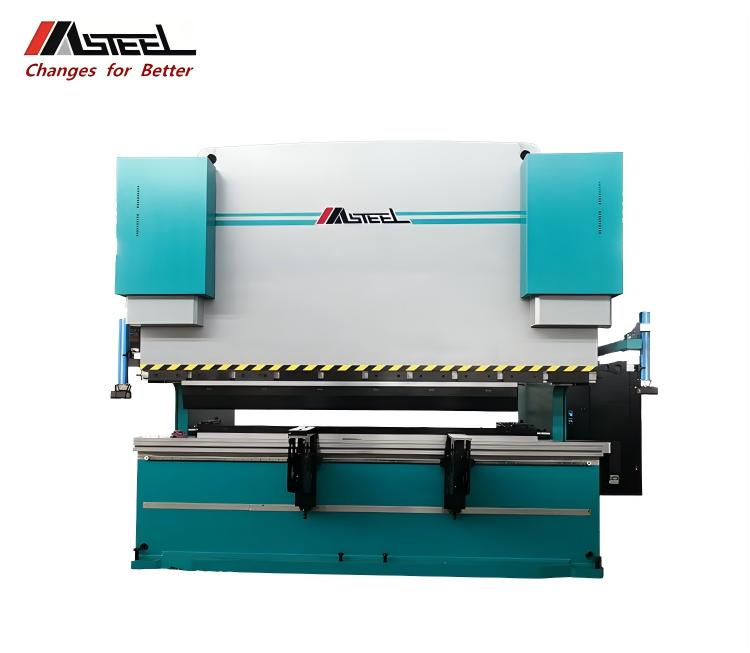
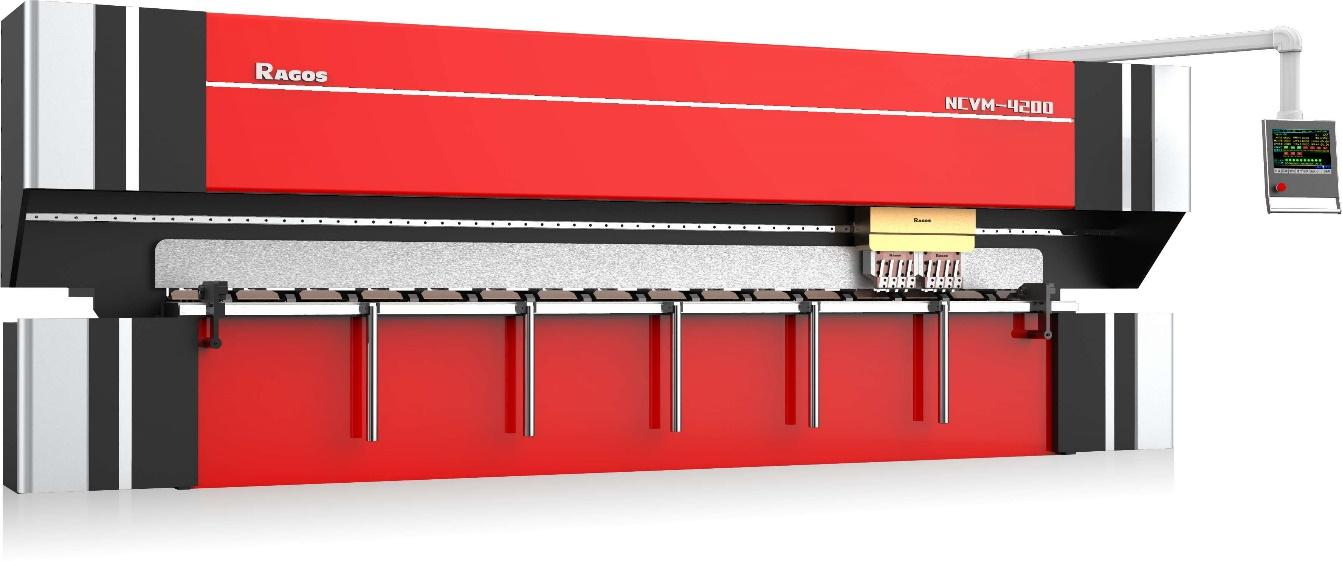
At FANGYU, our press brake lineup ranges from compact 40-ton machines for light-gauge work to heavy-duty 600-ton models for thick plate bending, all engineered to deliver consistent press brake tonnage across the full bending length.
Common Mistakes in Tonnage Calculation
Even experienced operators sometimes get the bending force calculation wrong. Watch out for these pitfalls:
- Ignoring material grade. Not all mild steel is the same — high-strength low-alloy (HSLA) grades can require 30% more tonnage than standard A36.
- Forgetting springback compensation. Overbending to compensate for springback does not significantly change tonnage, but using a narrower v-die opening to achieve a tighter radius does.
- Using the wrong formula for bottoming. The air bending formula does not apply to bottoming or coining. Bottoming typically requires 3–5× the air bending tonnage.
- Neglecting tooling limits. Your punch and die have their own tonnage ratings. Exceeding them damages tooling even if the machine can handle the load.
Get Expert Tonnage Advice for Your Next Project
Calculating press brake tonnage correctly saves money, prevents downtime, and ensures every bend meets spec. Whether you are upgrading an existing shop or setting up a new production line, having the right press brake capacity matched to your materials and bending length is essential.
Need help selecting the right machine? Contact Fangyu Machine — our engineering team can review your part drawings, recommend the optimal tonnage and v-die opening configuration, and help you choose a press brake that fits both your current workload and future growth plans.