When elevator manufacturers source sheet metal parts — door panels, control cabinets, threshold strips, landing doors, and structural brackets — they face a common challenge: finding a supplier that can deliver consistent quality, accurate dimensions, and timely volume across different component types. The production process behind these parts typically involves laser cutting for blanking and profiling, and press braking for bending and forming. Getting both steps right is what determines whether a finished component fits during assembly or creates problems on-site.
This article walks through the main sheet metal components in elevator manufacturing, the production requirements behind each, and how CNC press brakes and laser cutting machines work together to meet those requirements.
Why Elevator Components Demand Precision Sheet Metal Processing
Elevators operate in environments that demand reliability and safety. A poorly cut or incorrectly bent component can affect door alignment, cause premature wear, or create safety gaps. For this reason, elevator OEMs and their sheet metal suppliers are held to tight tolerances on flatness, dimensional accuracy, surface finish, and repeatability across batch runs.
Beyond accuracy, elevator production often involves:
- Material variety — mild steel for structural parts, stainless steel for visible panels, aluminum for lightweight housings, and galvanized steel for corrosion-prone areas
- Batch size variation — high-volume standard components alongside custom or small-batch specialty parts
- Dimensional diversity — components range from small mounting brackets to large door panels spanning over two meters
- Surface quality requirements — visible components (such as elevator doors and control cabinet panels) must arrive without scratches, burrs, or surface contamination
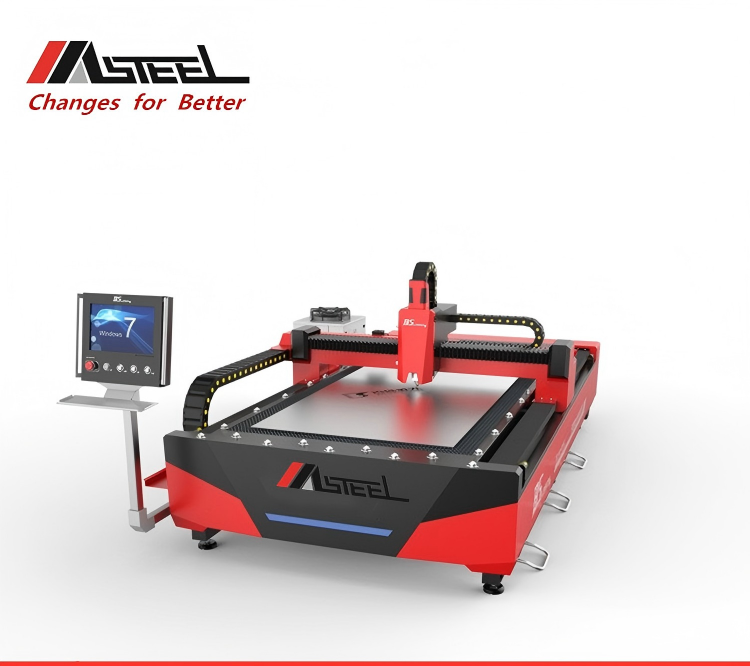
A production setup that combines fiber laser cutting for blanking and CNC press braking for forming gives elevator suppliers a flexible, repeatable workflow that can handle this diversity without sacrificing quality.
Key Elevator Components Produced from Sheet Metal
1. Elevator Door Panels and Landing Doors
Elevator door panels are typically made from mild steel or stainless steel. The production process starts with laser cutting to profile the panel shape, cut hinge slots, and create any decorative or functional perforations. After cutting, the edges are deburred and the panel is press-braked to achieve the required bends — typically flanges around the perimeter or reinforcement folds.
Stainless steel door panels require careful handling to avoid surface contamination. A fiber laser cutting machine with nitrogen assist gas produces clean, oxide-free edges on stainless steel, reducing the need for secondary finishing.
2. Control Cabinet and Electrical Enclosure Panels
Elevator control cabinets house the drive systems, PLC units, and electrical connections that manage elevator operation. These enclosures are typically made from mild steel or galvanized steel and require precise bending for flange creation, ventilation slot cutting, and mounting hole punching.
Laser cutting handles the electrical panel layout efficiently — cutting oblong holes for pushbuttons, rectangular slots for cable entries, and round holes for mounting. Press braking then forms the cabinet body and door flanges to spec.
3. Threshold Strips and Floor Leveling Plates
Threshold strips are the metal plates installed at the elevator entrance that bridge the gap between the car and the landing. These are typically made from aluminum or stainless steel and require simple but repeatable bending. Tonnage requirements are low, but dimensional accuracy matters — an incorrectly bent threshold can create a trip hazard or affect door synchronization.
4. Structural Brackets and Support Members
Internal structural parts — such as bracket assemblies, guide rail mounting plates, and car frame components — are usually made from thicker mild steel (3–10mm). These parts require the combined capability of high-power laser cutting for thick-plate profiling and a press brake with sufficient tonnage to bend without deformation.
5. Signage Plates, trim strips, and decorative elements
Visible trim and signage components often use stainless steel or aluminum. These parts need clean cut edges, precise dimensions, and a blemish-free surface. Fiber laser cutting with clean assist gas produces high-quality edges on these materials without the heat-affected zone that plasma cutting can create.
How Laser Cutting and Press Braking Work Together in Elevator Production
The typical production flow for elevator sheet metal components follows a two-step sequence:
Step 1 — Laser Cutting (Blanking and Profiling)
- The CAD file for the part is imported into the laser machine's nesting software
- Multiple parts are nested on a sheet to maximize material utilization
- The fiber laser cuts the outline, holes, slots, and any detailed features
- Cut parts are depaneled and inspected for edge quality and dimensional accuracy
Step 2 — Press Braking (Bending and Forming)
- The cut blanks are loaded onto the press brake
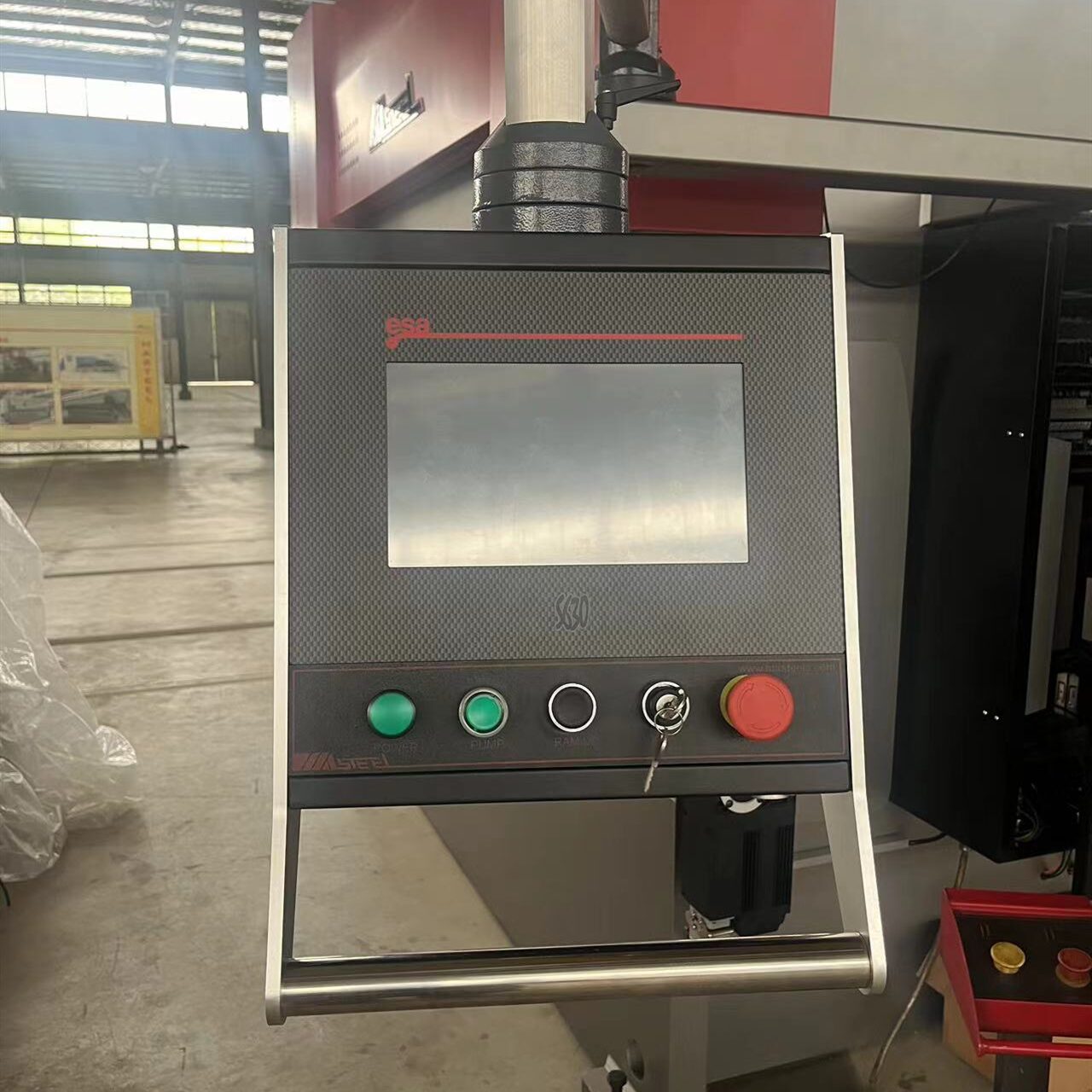
- The CNC control system recalls the bending program for that part number
- The backgauge positions the part, the tool clamp engages, and the bend is made
- Multiple bends are completed in sequence per the part's工艺路线
- Finished parts are inspected for angle accuracy, dimension, and surface condition
This two-step approach separates the material removal operation (laser cutting) from the forming operation (press braking), which allows each machine to be optimized independently. It also means that engineering changes affecting one operation do not necessarily require retooling the other.
What to Prepare When Requesting a Quote for Elevator Components
If you are an elevator manufacturer or sheet metal job shop supplying elevator components, having the following information ready when you contact a supplier will speed up the quotation process significantly:
- Component type and drawing — a CAD file (DXF, DWG, or PDF) with dimensions and tolerances
- Material specification — material type (mild steel, stainless steel, aluminum, galvanized) and thickness
- Batch size — number of parts per order and expected reorder frequency
- Surface finish requirement — mill finish, brushed, polished, or powder-coated
- Destination country — for export projects, this affects packing, documentation, and shipping method
How Fangyu Supports Elevator Component Manufacturers
Fangyu supplies CNC press brakes and fiber laser cutting machines to sheet metal fabricators serving the elevator industry. We work with both end-use manufacturers and contract fabricators who produce elevator components as part of a broader product mix.
Our equipment selection for elevator sheet metal production includes:
- Fiber laser cutting machines ranging from 1kW to 30kW for cutting mild steel, stainless steel, aluminum, and galvanized steel — from thin sheets to plate up to 25mm
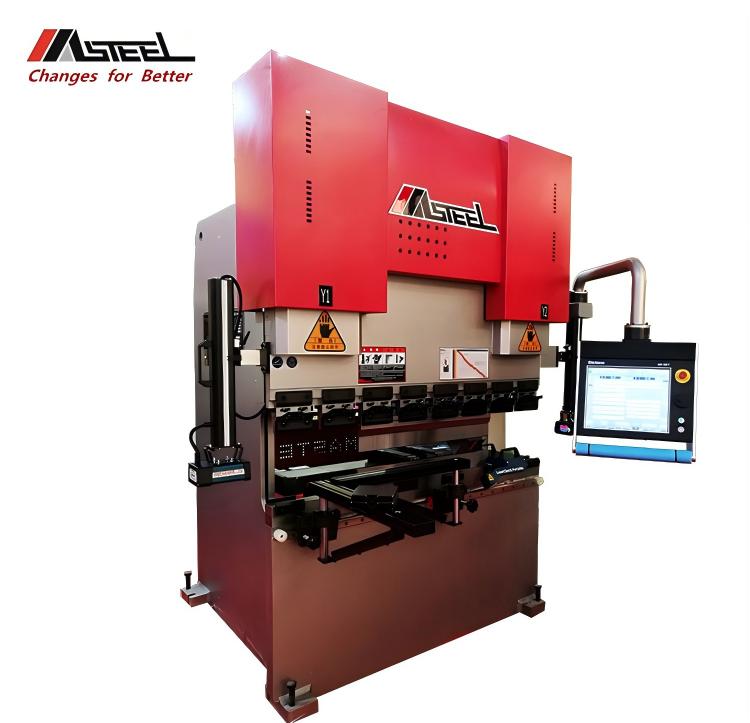
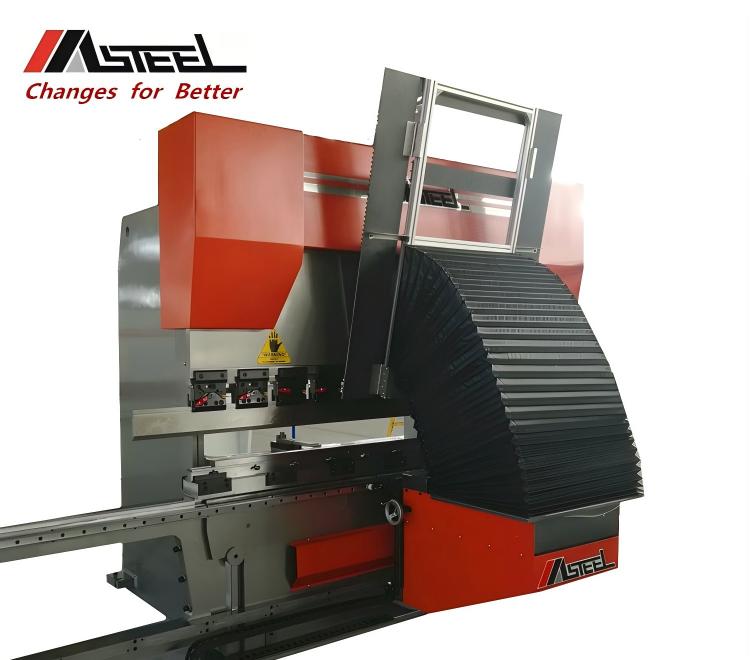
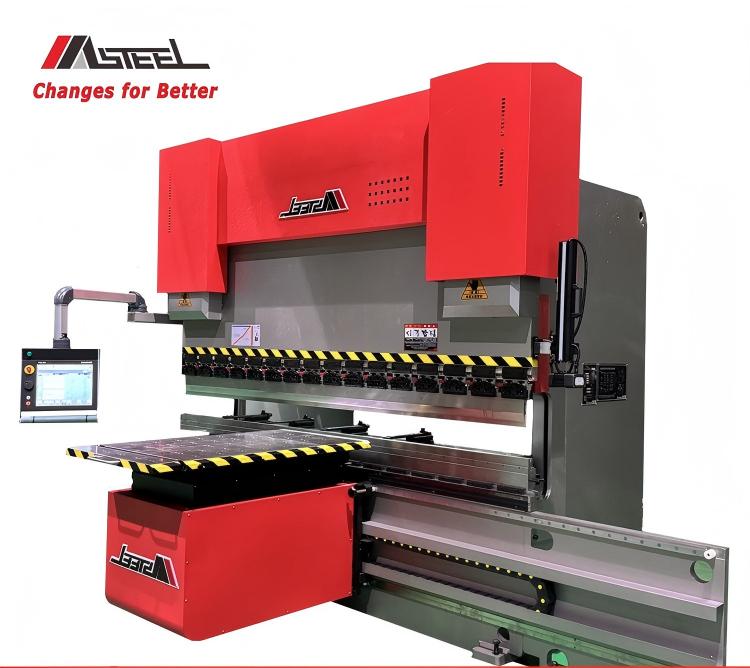
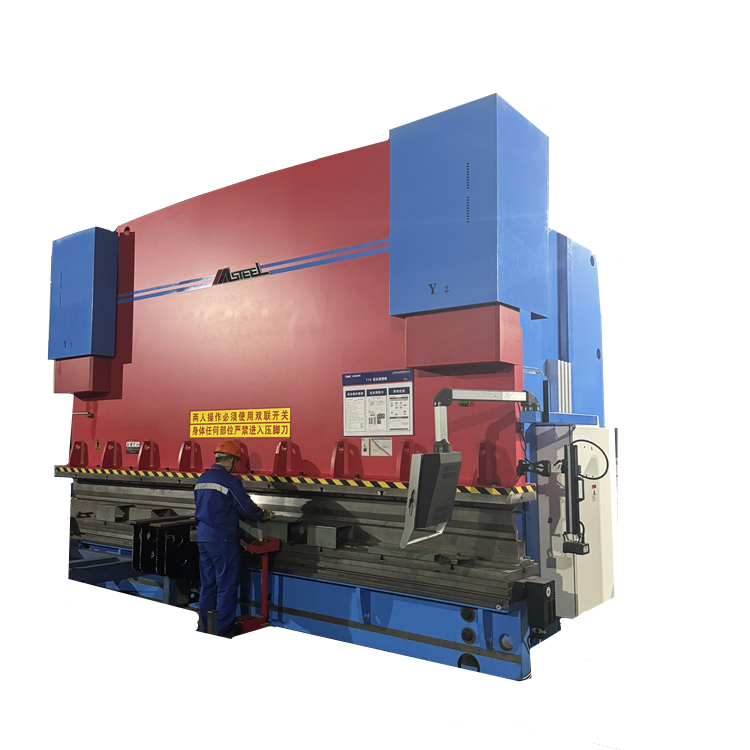
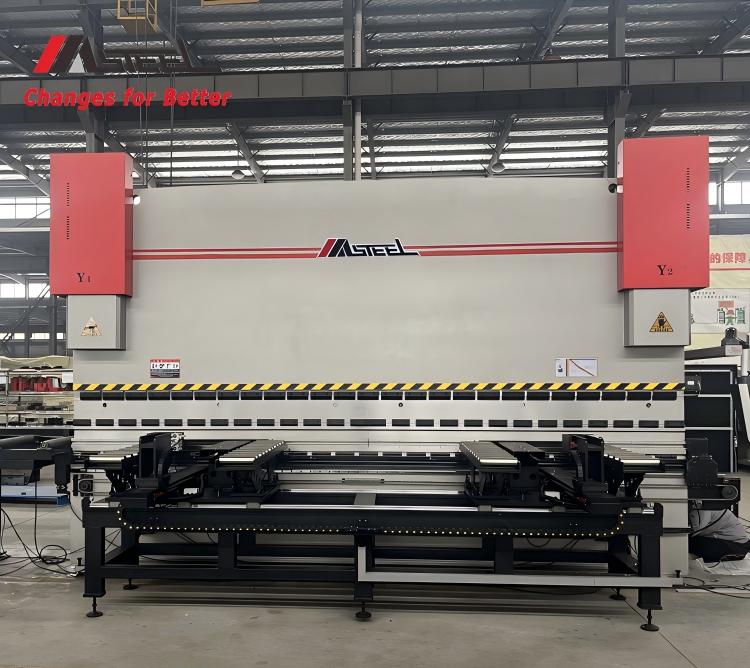
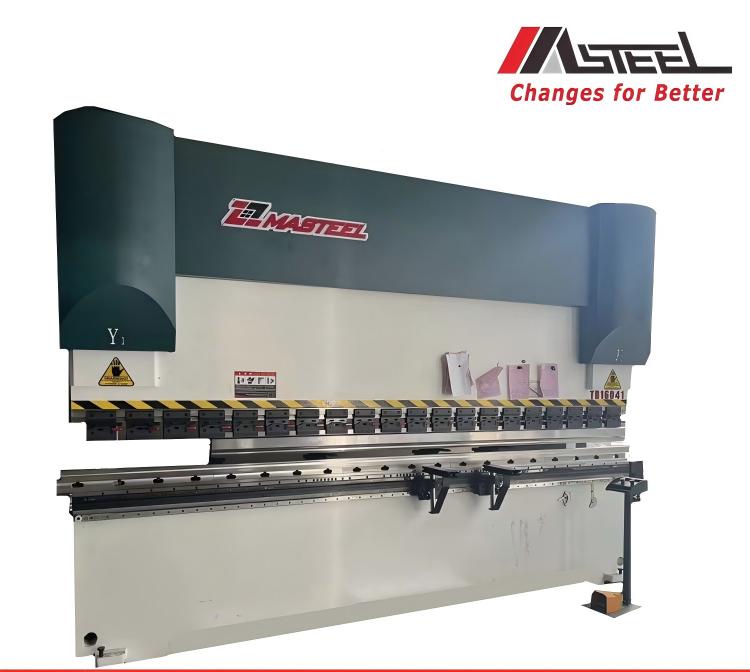
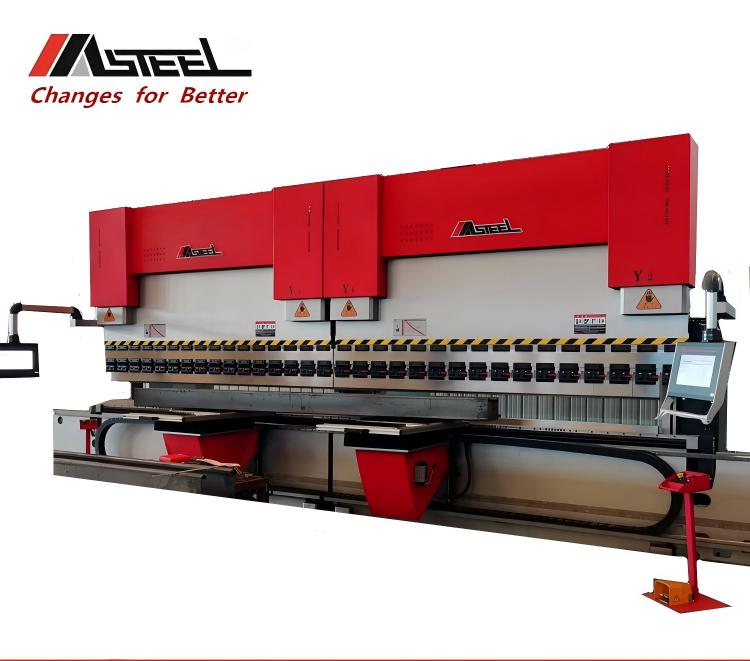
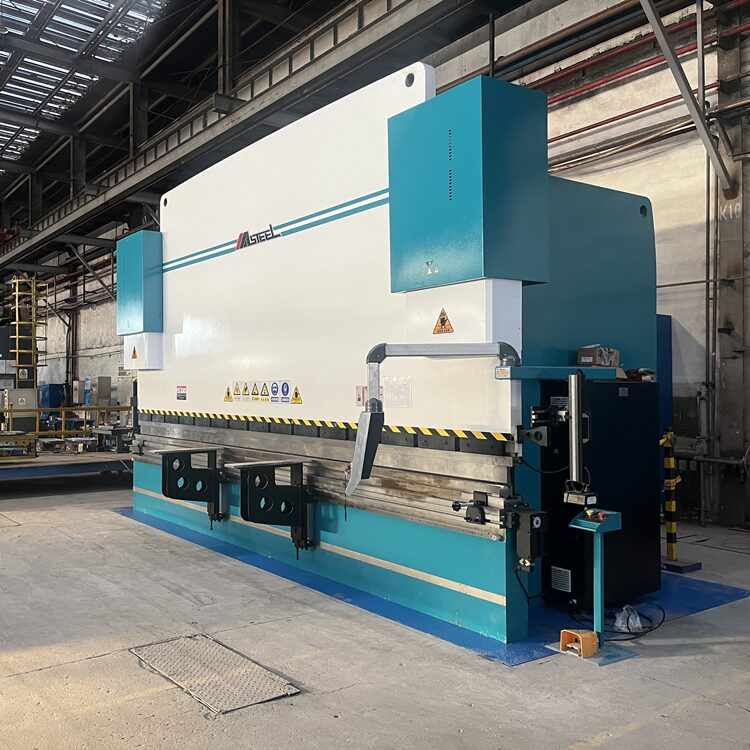
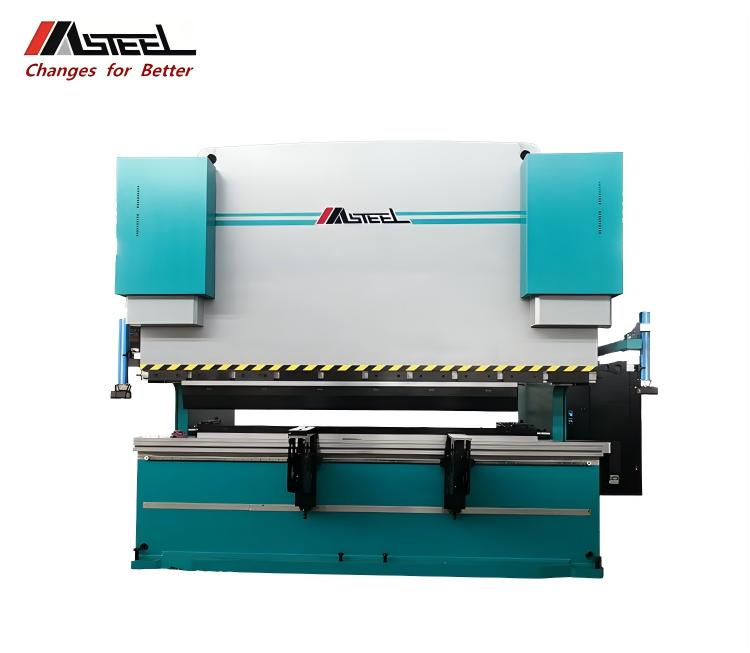
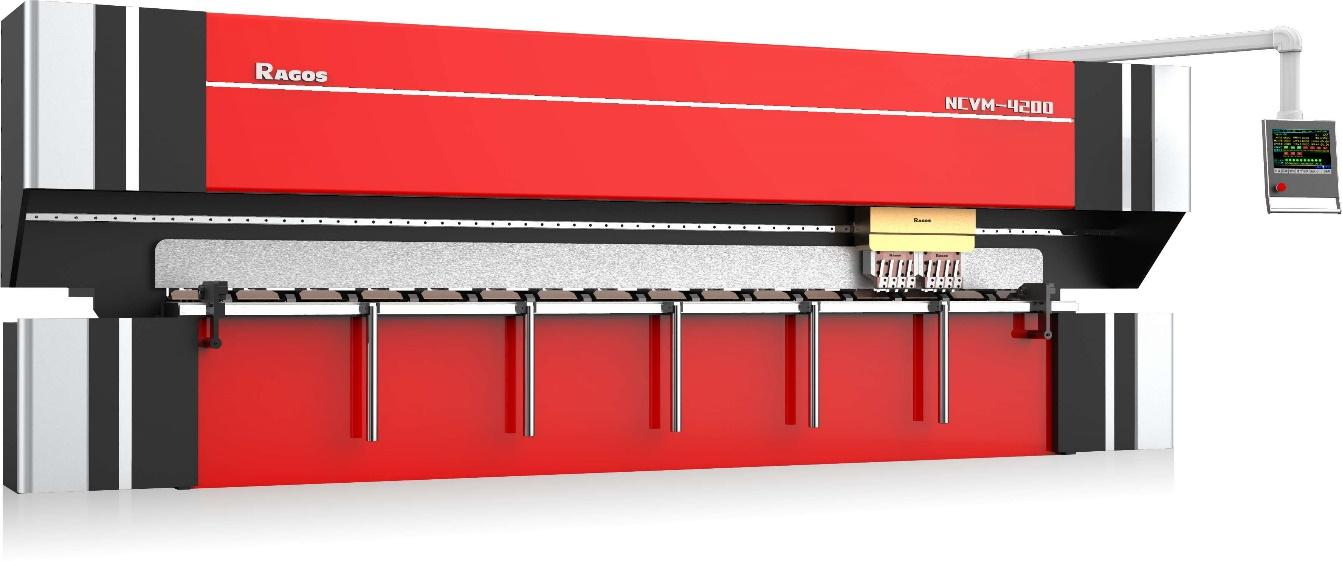
- CNC hydraulic press brakes with tonnage ratings from 40T to 2000T and working lengths from 1250mm to 6000mm for forming structural parts, door panels, and brackets
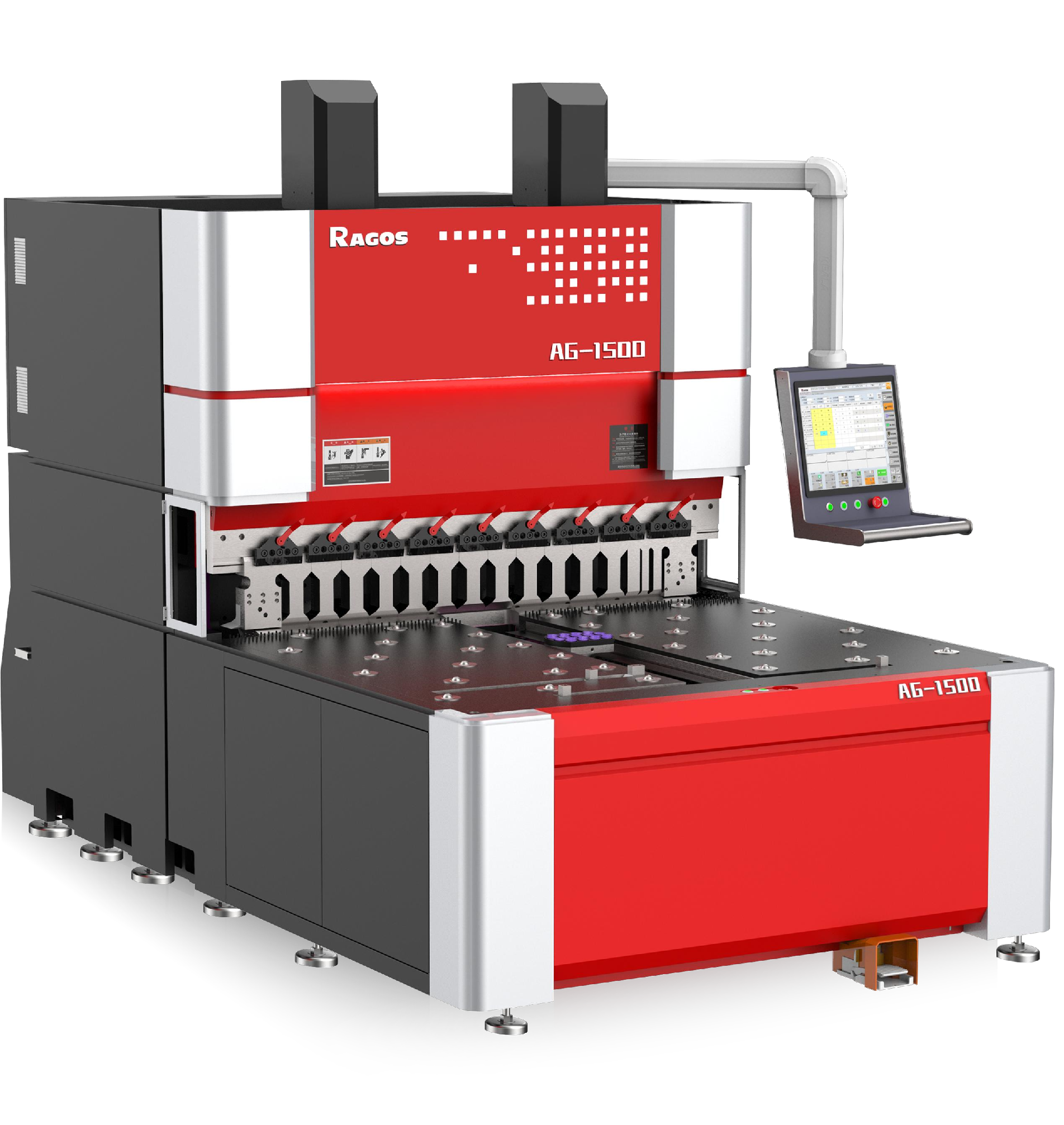
- Torsion bar press brakes for shops requiring higher precision on simpler part geometries
We can also connect you with our network of contract manufacturing partners in China who use Fangyu machines and accept export orders for finished sheet metal parts — useful if you prefer to source completed components rather than investing in your own equipment.
CTA
Planning to equip or expand your elevator sheet metal production line? Send us your component drawings and production requirements for a machine or parts sourcing recommendation.
Before requesting a quotation, please share:
- Material type you plan to process (mild steel, stainless steel, aluminum, galvanized)
- Material thickness range
- Working size — maximum part dimensions (length × width)
- Drawing or CAD file — even a marked-up sketch with key dimensions helps
- Destination country and nearest port
- For press brake inquiries: estimated bending length and required tonnage
- For laser cutting inquiries: laser power preference and assist gas type
With these details, our engineers can recommend the right machine configuration or connect you with a suitable contract manufacturer for finished elevator components.
- Get a Quote Now(https://fangyucnc.com/?pages_6/)
- Talk to Us on WhatsApp(https://api.whatsapp.com/send?phone=+8615009731608)
Related Machines
- Masteel Electro-Hydraulic Servo CNC Press Brake
- A practical route for elevator brackets, landing doors, and structural bending work that needs stronger frame rigidity.
- Fiber Laser Cutting Machine
- Suitable for elevator door panels, cabinet blanks, stainless trim parts, and precision sheet profiling.
- Laser Plate Cutting Machine
- Useful when elevator projects include thicker structural plates alongside standard sheet metal parts.