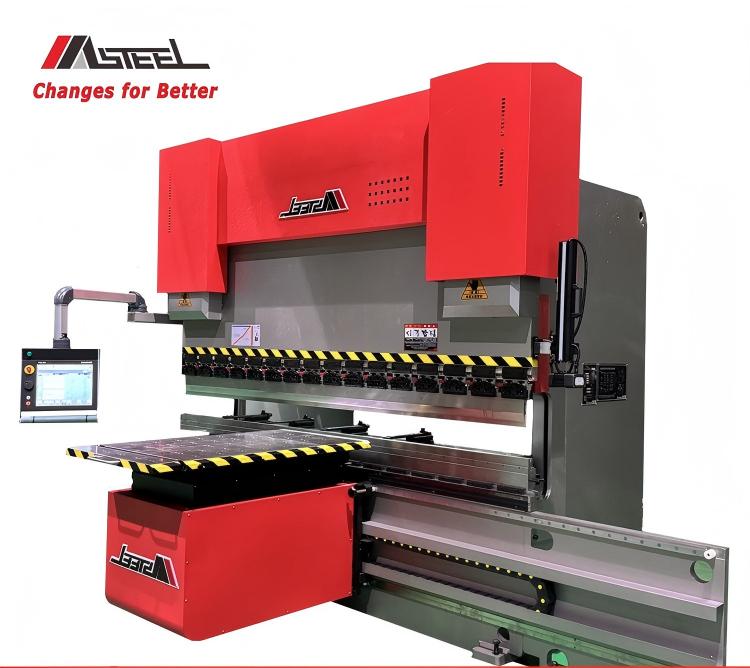
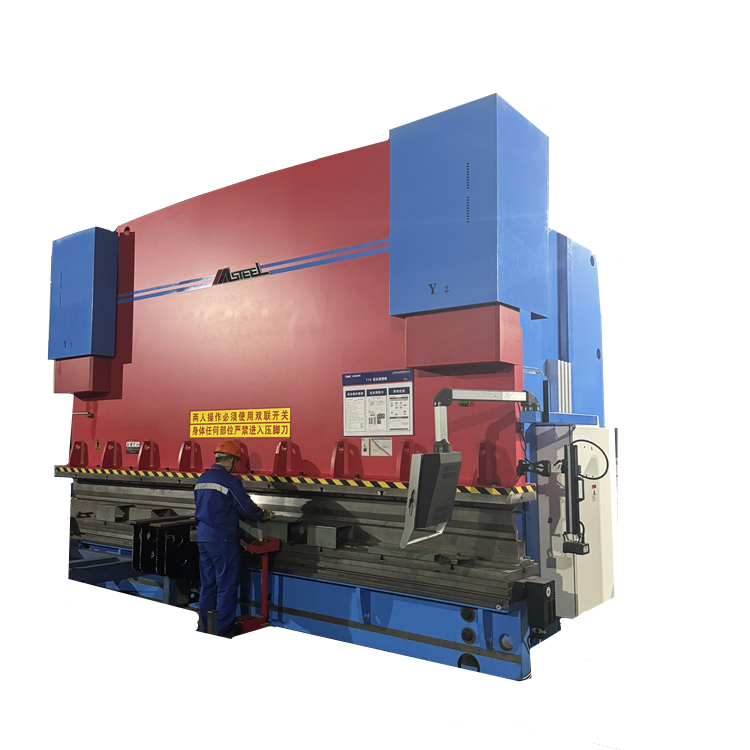
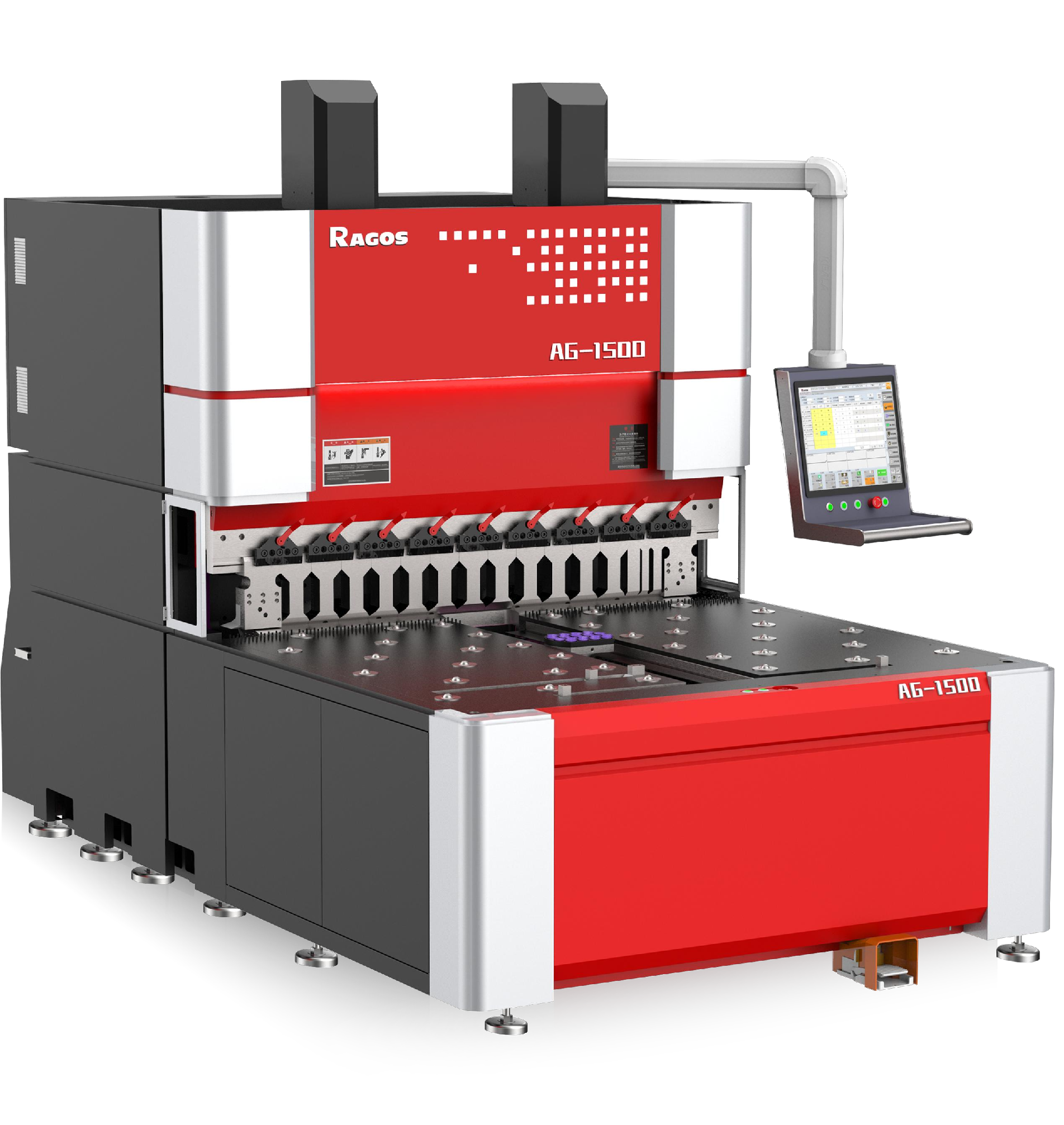
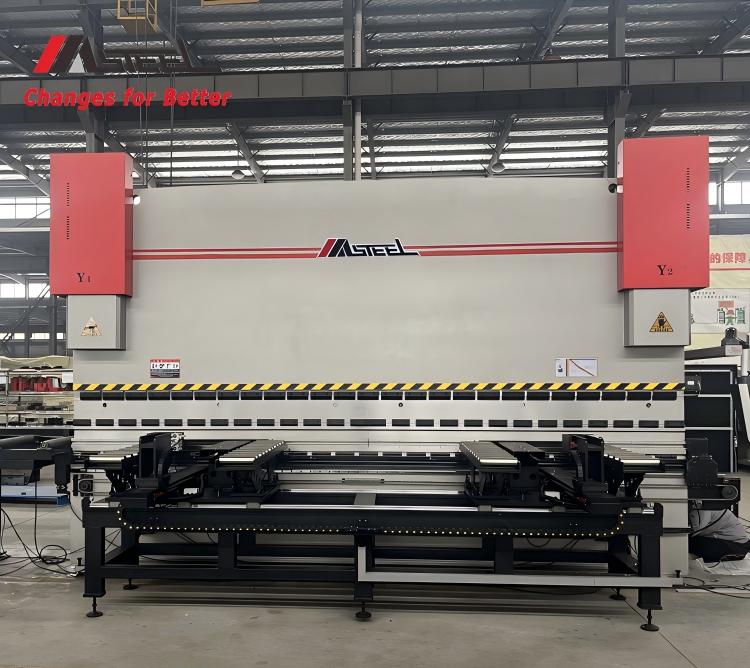
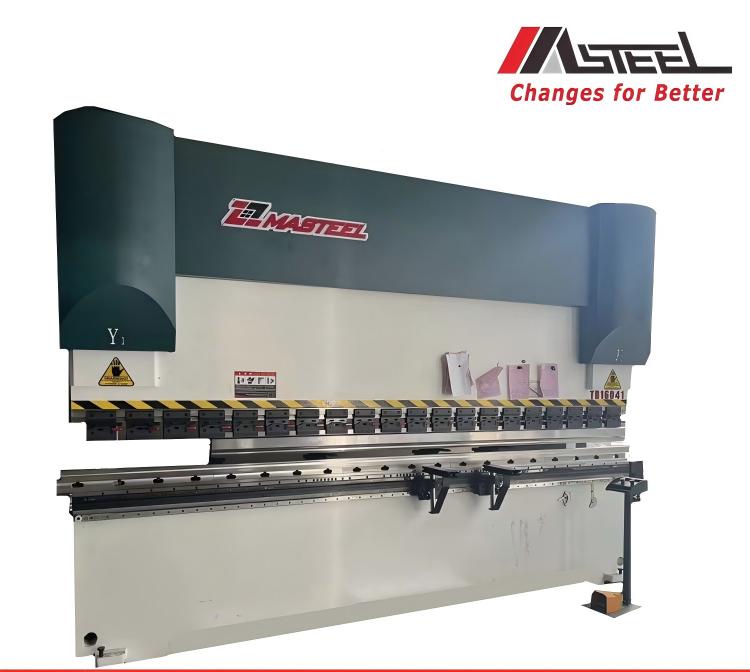
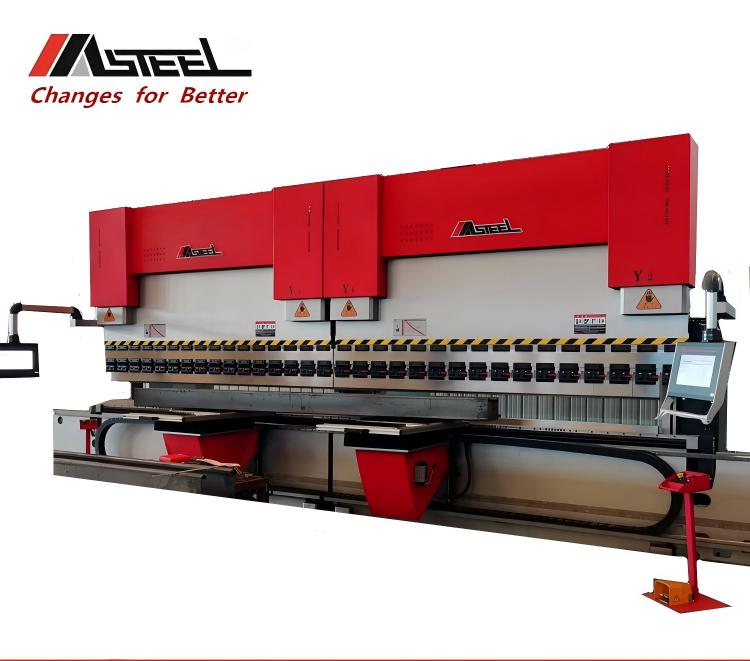
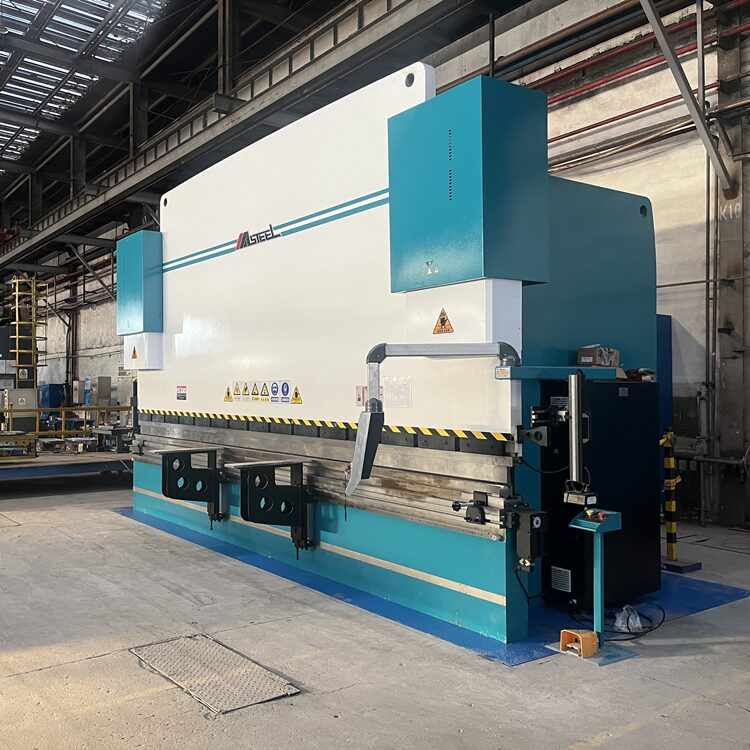
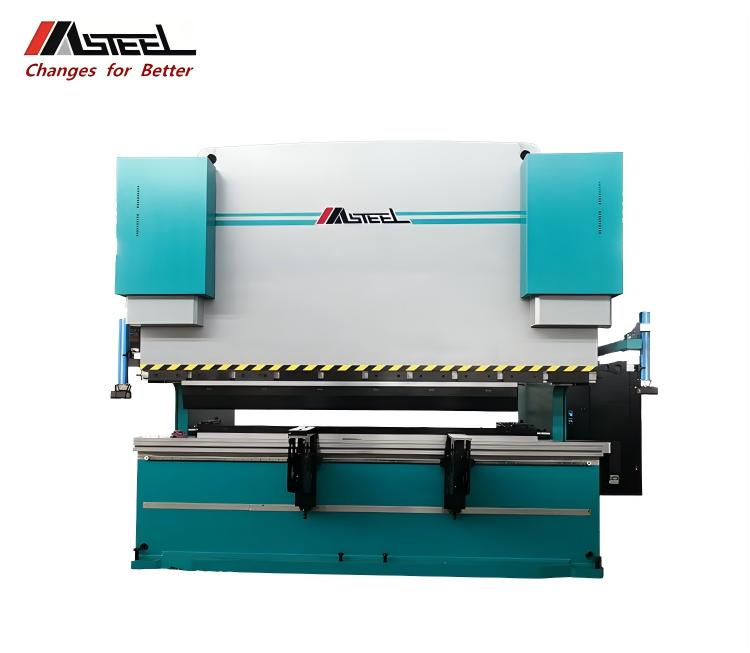
In modern sheet metal fabrication, press brake safety is not just a compliance checkbox; it is a productivity and reputation issue. A fast CNC press brake can turn high-value parts around quickly, but it can also create severe crush hazards if the machine, tooling, and control system are not designed correctly. Whether you run a small job shop or a large OEM plant, understanding the safety architecture of a bending cell helps you choose better equipment, train operators properly, and reduce avoidable downtime. This guide explains the top 10 safety features every buyer, supervisor, and operator should evaluate before purchasing or running a press brake.
Why press brake safety matters in daily production
A press brake concentrates large tonnage in a very small working zone. During setup, tool changes, first-piece inspection, and repeated production bending, operators work close to the punch and die. That is why press brake operator safety depends on more than careful habits. The machine itself needs engineered protection: reliable sensing, safe speed control, machine guarding, and fault-tolerant electrical design. In practical terms, a safer machine also produces more consistent output, because operators feel confident, fewer stoppages are caused by incidents, and management can standardize procedures across shifts.
For buyers comparing different suppliers, safety features should be evaluated with the same seriousness as tonnage, axis configuration, backgauge travel, and controller brand. FANGYU and other serious manufacturers know that a competitive machine must protect people first and then support efficiency.
Top 10 press brake safety features at a glance
| Safety Feature | Main Function | Why It Matters |
|---|---|---|
| 1. Light curtain | Stops dangerous motion when the beam is interrupted | Basic front-area protection for many setups |
| 2. Laser guard | Monitors the area close to the punch tip | Allows protected operation near the tooling zone |
| 3. AKAS system | Advanced optical protection integrated for press brakes | Popular high-performance solution for bending safety |
| 4. Safety relay | Verifies safety circuits and fault conditions | Prevents unsafe restart or single-channel failure |
| 5. Dual-channel emergency stop circuit | Removes hazardous motion quickly | Essential backup during abnormal events |
| 6. Safe speed change at mute point | Reduces ram speed before the hazard zone | Lets the machine shift from fast approach to safe speed |
| 7. Side and rear machine guarding | Blocks non-working access points | Protects nearby staff, especially in busy workshops |
| 8. Foot pedal protection and anti-repeat logic | Prevents unintended actuation | Reduces accidental cycling during repositioning |
| 9. Tool clamping and setup interlocks | Secures punches and dies correctly | Avoids dropped tools and unstable setup conditions |
| 10. Control diagnostics and overload monitoring | Warns of abnormal conditions | Helps prevent damage, poor bends, and unsafe operation |
Front-zone protection: light curtain, laser guard, and AKAS system
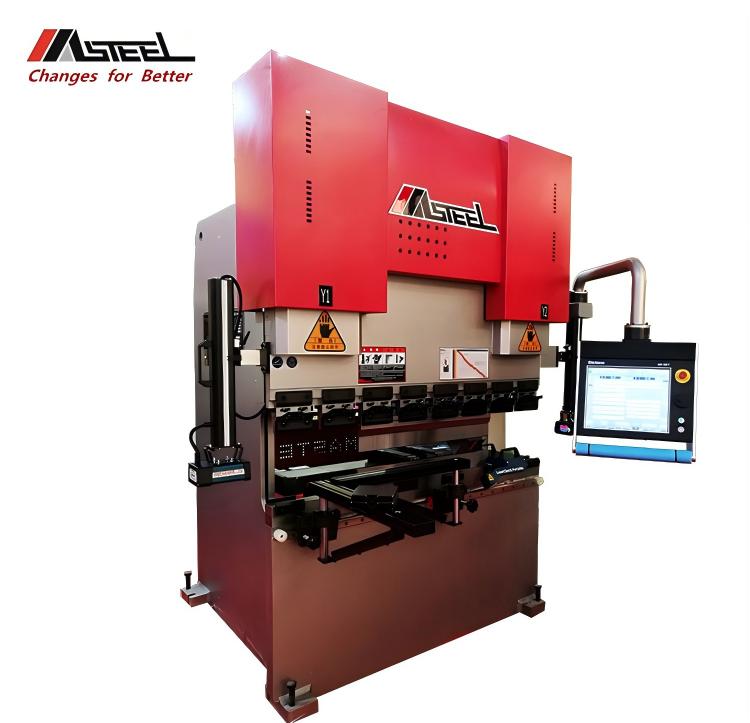
The most discussed press brake safety devices are the front-zone sensing systems, because that is where hands and fingers are closest to the point of operation. A traditional light curtain creates a vertical optical field in front of the machine. If an object interrupts that field during hazardous movement, the machine stops. It is simple and effective, but on some press brake applications it may limit flexibility during box bending or flange work, because the sensing field is farther from the punch tip.
A laser guard is usually more precise for press brakes because it protects the zone immediately below or next to the upper tool. This makes it easier to keep protection active while still allowing the operator to position the sheet accurately. Many buyers looking for higher productivity prefer a laser-based solution for this reason.
The AKAS system is one of the best-known press brake protection platforms in the market. It uses optical transmitters and receivers mounted on the ram to monitor the dangerous area close to the tooling. When properly configured, it combines high protection with better usability than older guarding methods. For workshops running mixed batches, stainless steel parts, or frequent setup changes, this kind of system can improve both safety and throughput.
Control-system protections that separate safe machines from risky ones
Optical protection alone is not enough. The electrical and hydraulic logic behind the machine determines whether faults are detected and handled safely. A properly designed safety relay or safety controller checks input signals, monitors redundancy, and prevents the press brake from continuing operation when the safety circuit is compromised. This matters because a broken wire, welded contact, or failed switch should create a safe stop, not a hidden hazard.
Equally important is controlled ram motion. A quality press brake should support a fast approach phase, then automatically transition to a safe low speed before entering the hazardous bending zone. This safe speed transition, often tied to mute-point logic in protected operation, gives the operator time to align the workpiece without exposing them to full-speed descent. Buyers should also check for:
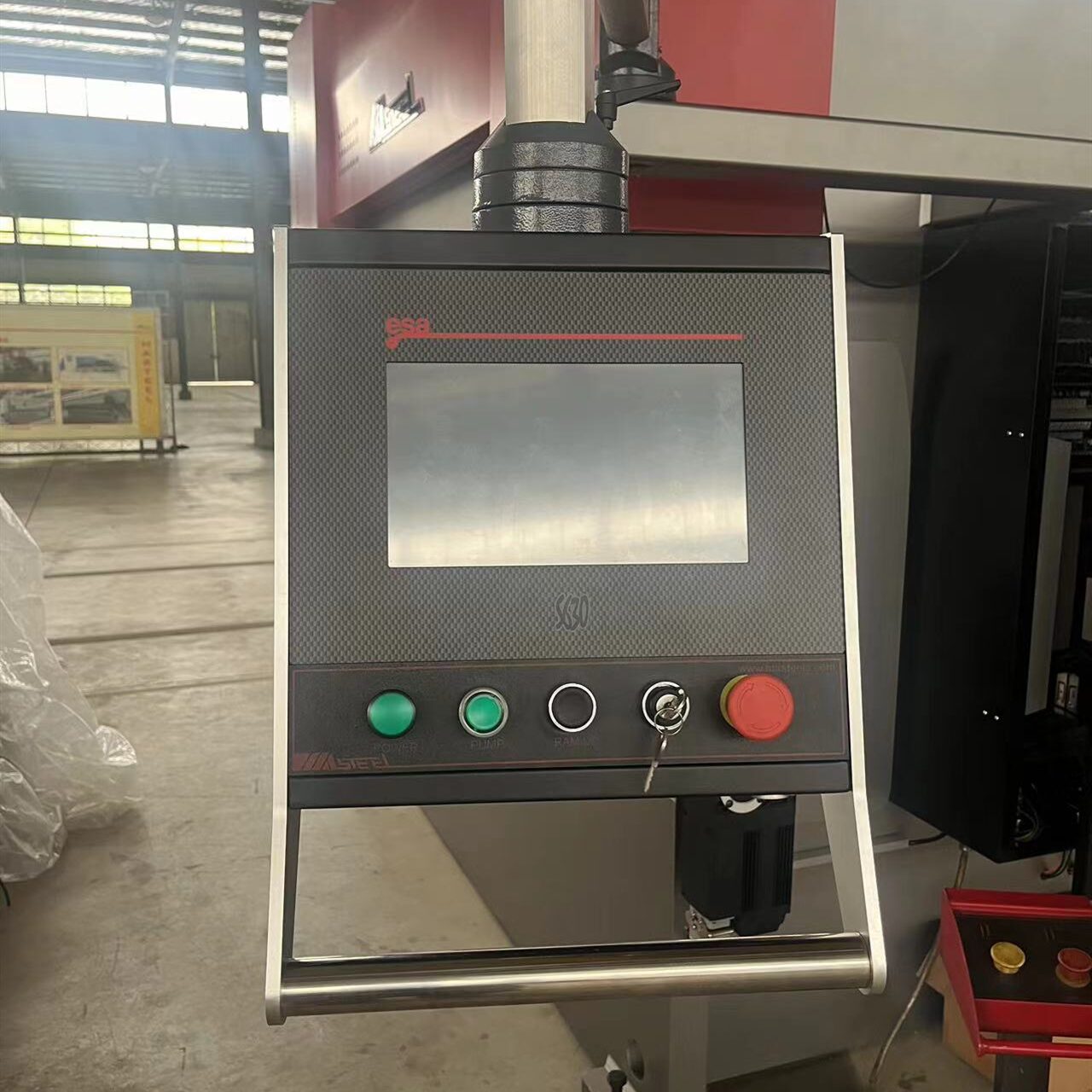
- dual-channel emergency stop wiring
- overload and overpressure monitoring
- controller alarms for axis or valve faults
- restart prevention after abnormal shutdown
- manual, setup, and production modes with clear limits
These features may seem invisible compared with servo axes or touchscreen graphics, but they are central to real press brake operator safety in everyday production.
Mechanical protection and machine guarding still matter
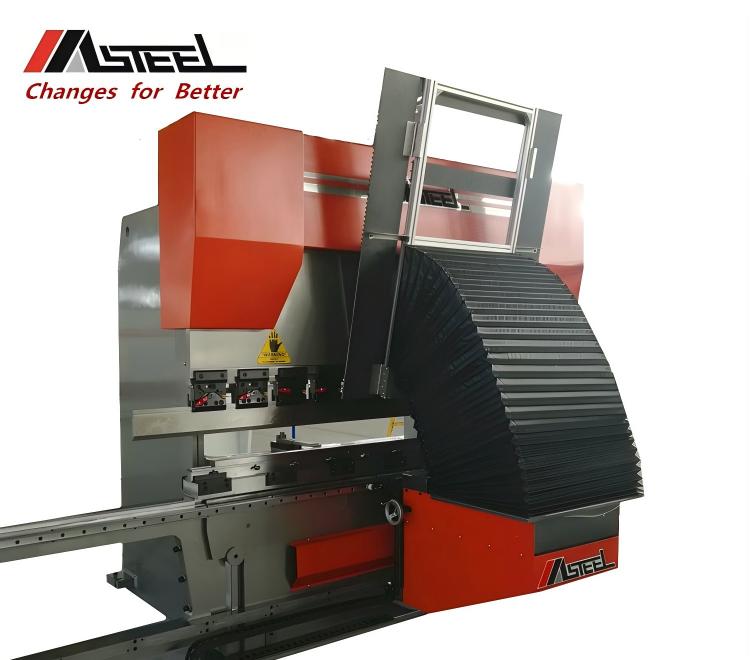
Even the best sensor package cannot compensate for poor physical design. Effective machine guarding should cover side and rear access areas so nearby workers cannot enter the hazard zone from non-operating positions. In many plants, material handlers, maintenance staff, or helpers move behind the press brake. If the rear of the machine is left open, one operator may be protected while everyone else remains exposed.
Tool security is another overlooked issue. Fast clamping systems save setup time, but they must lock tools consistently and give clear confirmation that the punch and die are seated correctly. Poor clamping can create dropped tooling, misalignment, or unexpected movement. Good safety design also includes a protected foot pedal, anti-repeat logic, and stable support arms or front sheet supports so the operator is not forced into unsafe posture while holding a large blank.
When Fangyu designs a hydraulic or CNC press brake solution, these practical details matter as much as the headline specification. A safe machine should be safe not only during ideal production, but also during setup, trial bends, tool change, maintenance, and operator training.
What buyers should inspect before accepting a press brake
If you are sourcing a new machine, do not stop at the sales brochure. Ask for a functional demonstration of the safety package and verify how each feature behaves during real bending. A good supplier should be comfortable showing the protective devices in operation, the alarm logic on the controller, and the guarding around the frame.
- Test whether the light curtain or laser guard stops hazardous motion consistently.
- Confirm whether the AKAS system or equivalent is correctly aligned after tool changes.
- Inspect side and rear machine guarding, gates, and interlocks.
- Check the safety relay architecture and ask how fault diagnostics are reported.
- Verify the safe-speed transition before the punch reaches the bending zone.
- Review emergency stop positions for both operator and maintenance access.
- Ask how foot pedal anti-repeat logic works during fast repetitive jobs.
- Confirm overload protection and ram synchronization alarms.
- Request operator training documentation and daily inspection guidance.
- Match the protection package to your actual parts, materials, and batch size.
This is especially important when comparing budget machines with premium systems. Two press brakes may look similar in photos, yet have very different levels of safety integration, component quality, and long-term reliability.
Frequently Asked Questions
Is a light curtain enough for every press brake application?
No. A light curtain can provide valuable protection, but some jobs benefit more from a laser guard or AKAS system positioned closer to the point of operation. The best choice depends on part geometry, tooling, and how the operator handles the sheet.
Why is a safety relay important if the machine already has sensors?
Sensors detect hazards, but the safety relay verifies whether the safety circuit itself is healthy. Without that diagnostic layer, a single fault could go unnoticed and reduce the effectiveness of the entire protection system.
Does machine guarding reduce productivity?
Good machine guarding should improve productivity in the long run because it reduces incidents, unplanned stops, and operator hesitation. The goal is not to block work, but to create a controlled working area where safe bending can happen repeatedly.
What should a buyer ask a supplier like Fangyu?
Ask which guarding package is included, whether laser protection or AKAS options are available, how the foot pedal logic works, how safe speed is controlled, and what training or commissioning support Fangyu Machine provides after installation.
Conclusion: choose safety features that protect people and production
The best press brake is not simply the fastest or the cheapest. It is the one that combines accuracy, uptime, and strong press brake safety architecture. A complete package includes front-zone sensing, reliable control logic, machine guarding, secure tooling, and practical operating support. If you are selecting a new CNC or hydraulic bending solution, evaluate these 10 safety features carefully and make sure the system fits your real workflow.
Need help choosing a safer, more productive bending solution? Contact Fangyu Machine for expert guidance on press brakes, tooling, and sheet metal production lines tailored to your factory.