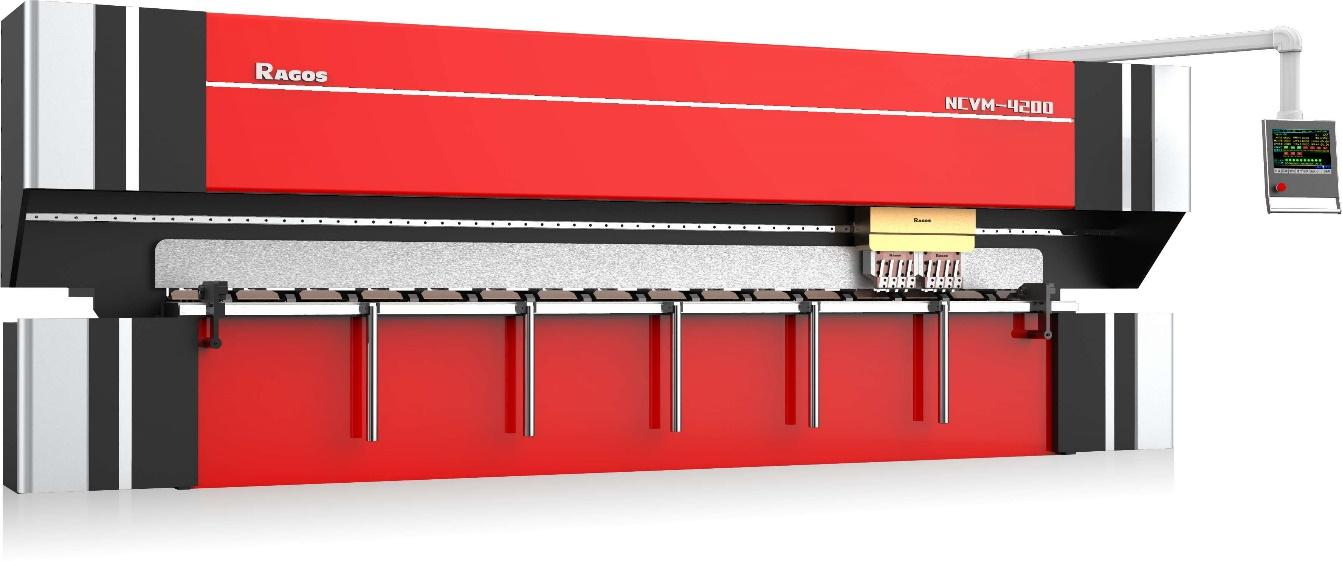
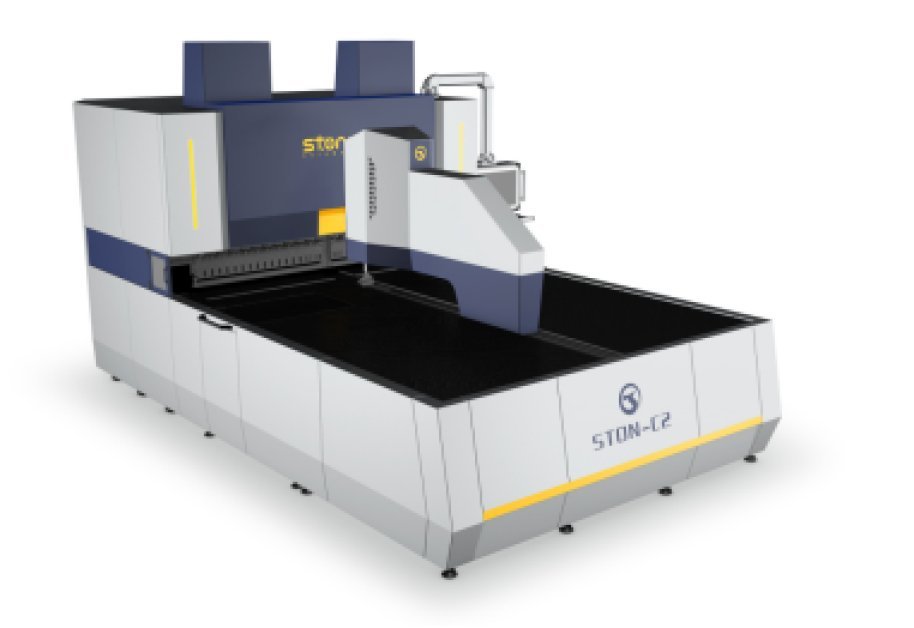
When buyers researching press brakes start seeing the term panel bender — sometimes called a panel bending machine or automatic bending cell — it often creates more confusion than clarity. Is it a type of press brake? A robotic system? A replacement? And if you are sourcing a machine for a factory that currently runs press brakes, does switching to a panel bender make sense, or is it overkill?
This article answers those questions directly. It explains what a panel bender is, how it differs from a traditional press brake, the types of production environments where each machine performs best, and what information to share with a supplier when evaluating which machine type fits your factory.
What Is a Panel Bender?
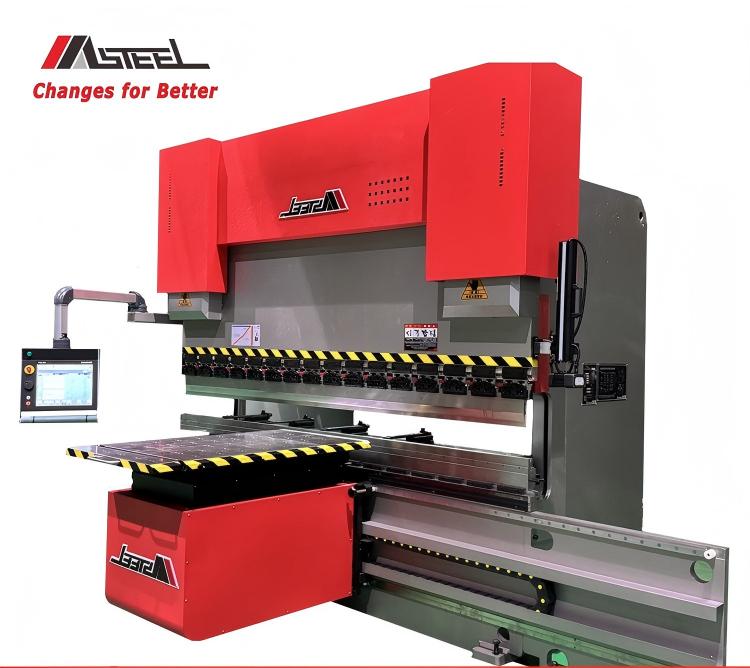
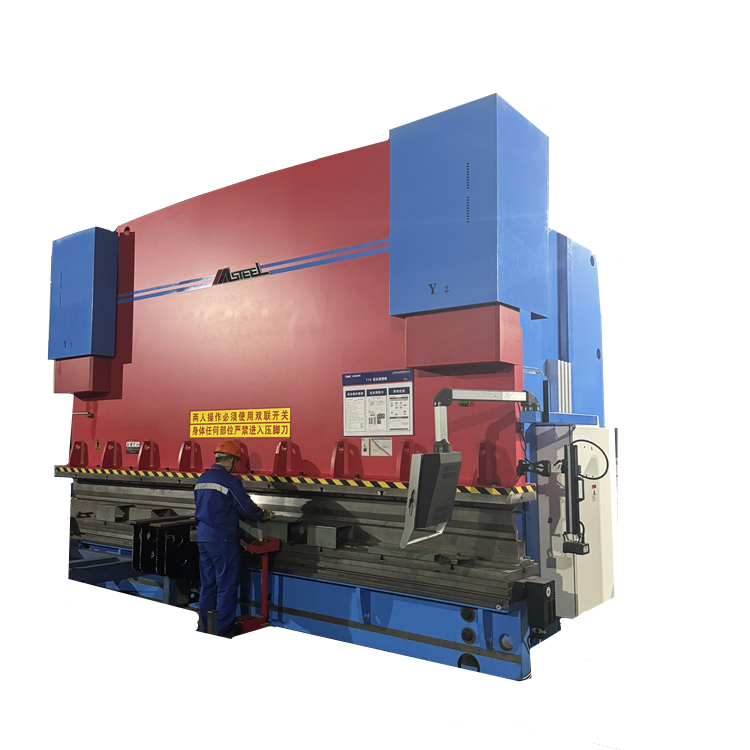
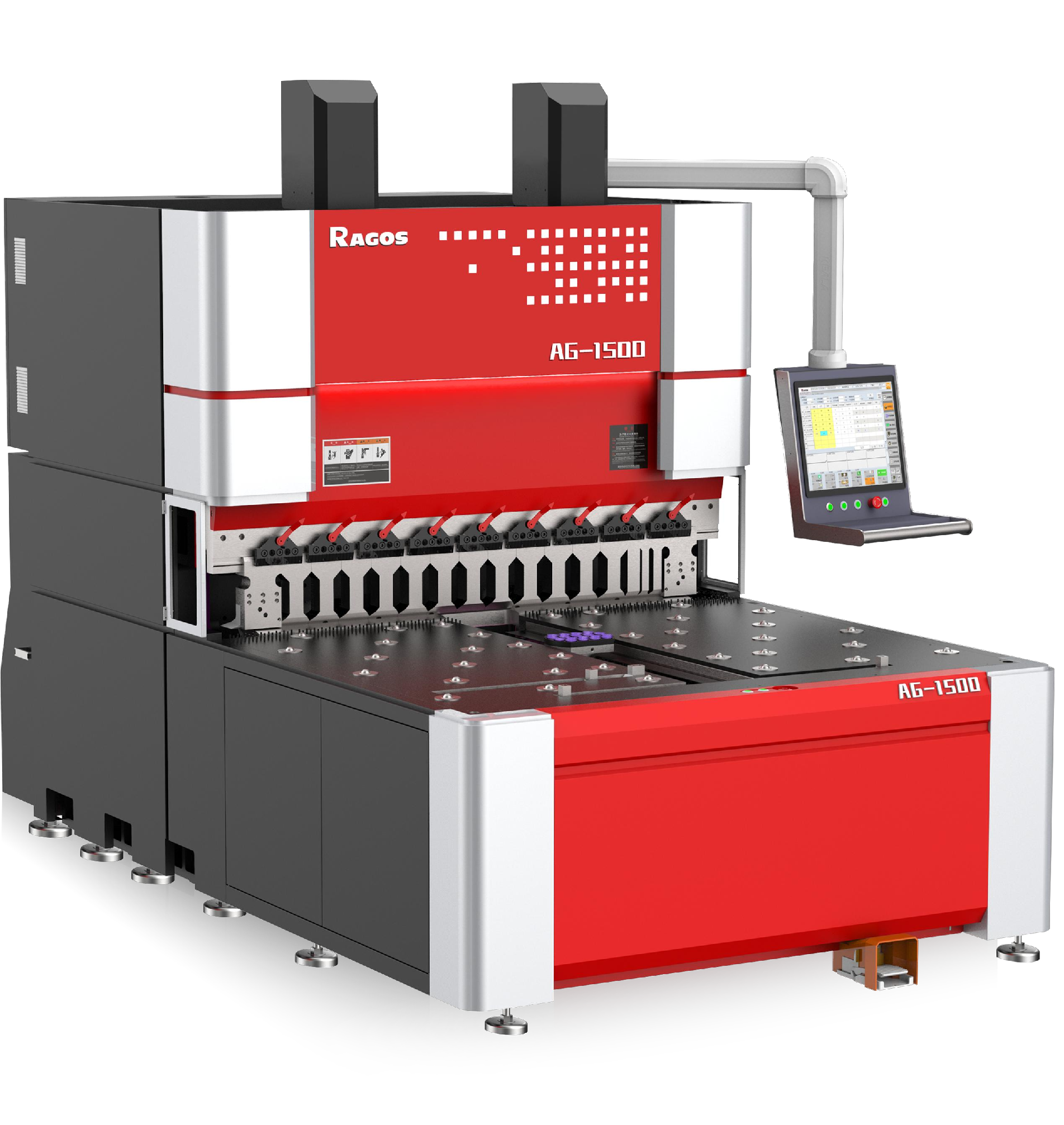
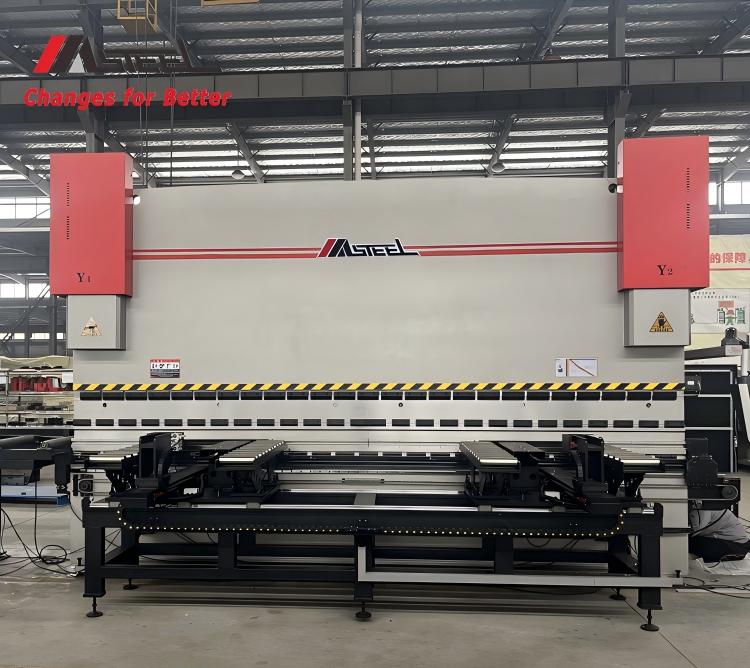
A panel bender is a sheet metal bending machine that uses a down-acting upper beam and a fixed or programmable lower tool to automate the bending of large sheet metal panels — typically in a single setup or with minimal repositioning. Unlike a conventional press brake, which requires an operator to manually load the sheet, position back gauges, and bend one edge at a time, a panel bender automates much of the material handling and tool repositioning process.
The defining technical difference is the automatic tool changer and programmable bending sequence. In a modern CNC panel bender, the machine can: - Automatically change bending tools from a rotary or linear tool magazine - Reposition the back gauge and material supports without manual intervention - Bend multiple edges of a large panel in a pre-programmed sequence - Handle sheets significantly larger than the machine's throat depth (a key limitation of conventional press brakes)
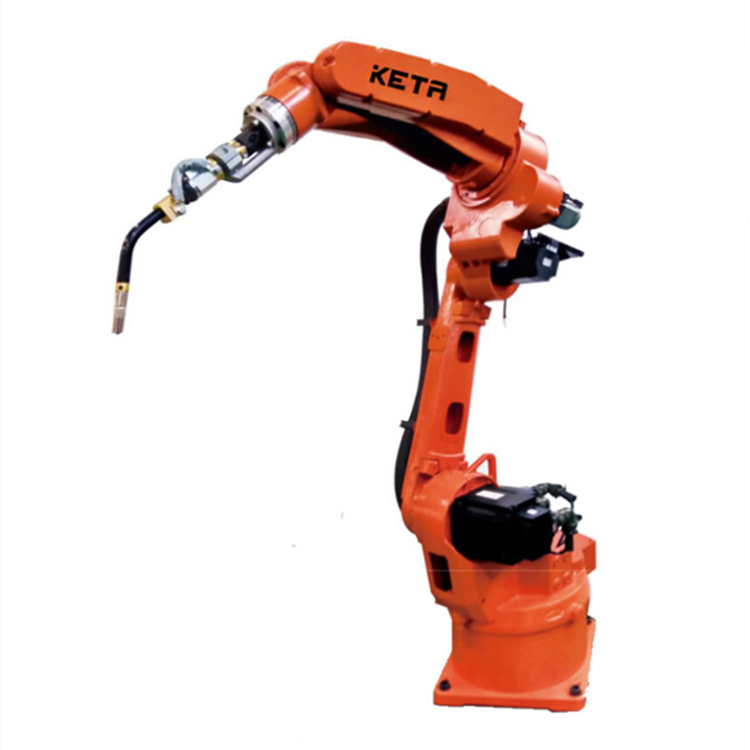
Panel benders are sometimes described as robotic bending cells or automatic bending centers, though not all panel benders include a robot for sheet loading. Entry-level and mid-range models typically require manual or semi-automatic sheet loading, while high-end systems integrate a manipulator arm or robot for fully unmanned operation.
Panel Benders vs Press Brakes: The Core Differences
The two machines serve overlapping ends — both bend sheet metal — but their design priorities and optimal use cases differ substantially.
| Feature | Panel Bender | Conventional Press Brake |
|---|---|---|
| Maximum panel size | Handles large sheets (3000mm+) without throat limitation | Limited by throat depth and bed length |
| Batch size suitability | Optimized for small-to-medium batches with frequent changeovers | Better for long-run repeated parts |
| Tool changeover time | Automatic tool magazine changes tools in seconds | Manual tool insertion and alignment |
| Setup complexity | CNC programming + automatic tool selection; operator skill shifts from mechanics to programming | Requires manual gauge positioning and tool setup |
| Per-part cycle time | Fast on large, complex panels with multiple bends | Competitive on simple, repetitive parts |
| Entry cost | Higher capital cost, especially for automatic loading models | Lower capital cost, wider model availability |
| Operator skill requirement | Programming and system management | Mechanical setup and gauging |
| Ideal production profile | High-mix, large-format panel work | High-volume, standardized parts |
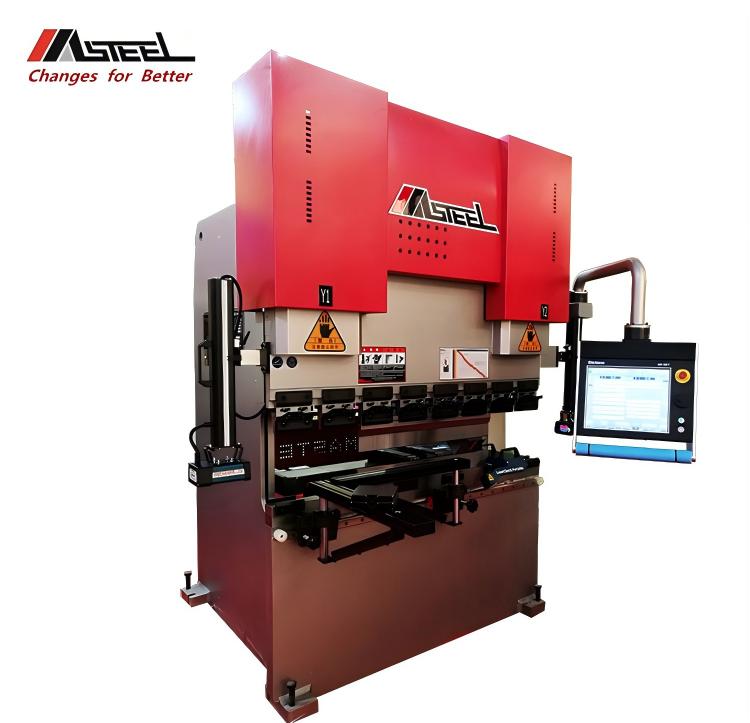
The practical takeaway: a panel bender is not a press brake replacement. It is a different machine optimized for a different production profile. Most factories that run standard press brakes do not need to replace them with panel benders — but for certain production profiles, a panel bender dramatically reduces labor time and improves consistency on large panels.
When a Panel Bender Makes Sense
Based on common buyer scenarios, panel benders typically deliver the strongest return on investment in the following situations:
Large Panel Bending Without Large Press Brake Capacity
Many factories own 2000–2500mm press brakes but need to bend panels of 3000mm or larger. Rather than investing in a massive press brake (which is expensive and takes significant floor space), a panel bender with a large working length can handle those panels on a machine with a smaller footprint.
High-Mix Production with Frequent Changeovers
If your factory runs hundreds of different part numbers per month, each requiring different bend sequences and tooling, the automatic tool change capability of a panel bender eliminates the repetitive manual setup that makes press brake job shops slow and error-prone. Programming the part once and letting the machine execute the sequence pays dividends when changeovers are frequent.
Labor Cost Reduction in High-Wage Markets
Panel benders reduce the skilled-labor bottleneck that press brakes create. A press brake operator who spends 15–20 minutes setting up a complex part with multiple bends can program that same part on a panel bender and let the machine run while attending to other work. In markets where skilled press brake operators are scarce or expensive, this labor shift is often the primary ROI driver.
Consistency and Repeatability on Complex Panels
Large panels with many bends — such as electrical enclosure bodies, machine guard panels, elevator car walls, or structural frames — are difficult to bend consistently on a press brake because each repositioning introduces positioning error. Panel benders with CNC-controlled back gauges and material supports produce more consistent angles and dimensions across long production runs.
When a Press Brake Is Still the Better Choice
Despite the panel bender's automation advantages, press brakes remain the right machine in many scenarios:
High-volume, single-part runs: If you are bending 5,000 identical brackets per week, a press brake with the right die set and a confident operator will match or beat a panel bender's cycle time at a lower capital cost.
Tight budget constraints: A conventional CNC press brake costs significantly less than a comparable panel bender. If your budget is constrained and your production does not justify the panel bender's automation premium, a well-configured press brake remains the practical choice.
Very thick material (above 12mm): Panel benders are optimized for thin-to-medium sheet (typically 0.5–6mm, with some models handling up to 9–10mm). For heavy plate bending above 12mm, a press brake with the appropriate tonnage is the standard solution.
Heavy forming and deep ribbing: Panel benders are not designed for deep drawing or heavy structural forming. Press brakes with hydraulic die cushions or multi-point forming systems handle these requirements.
How a Panel Bender Works: The Bending Process
Understanding the basic process helps buyers who are new to panel benders evaluate whether their parts are suitable.
- Sheet loading: The operator or robotic handler loads the flat sheet onto the machine's material support table.
- CNC programming: The machine's control system executes a pre-loaded program that defines the bending sequence, tool selection from the magazine, back gauge positions, and bend angles.
- Automatic tool selection: The rotary or linear tool magazine selects the correct upper and lower tools for each bend. No manual tool change is required between different bend operations on the same panel.
- Sequential bending: The upper beam descends, bending the sheet against the lower tool. The back gauge and side supports reposition automatically for each subsequent bend.
- Sheet unloading: The finished panel is removed, either manually or by a robotic unloader on fully automated models.
This process reduces the operator's role from active mechanic (positioning gauges, changing tools, manually tracking bend sequence) to supervisory (loading sheets, verifying first-off parts, monitoring production).
Panel Bender Programming and Software
Modern CNC panel benders run proprietary or third-party sheet metal CAD/CAM software that integrates with the machine's control system. The typical workflow:
- Import the 2D DXF or 3D CAD file of the flat blank
- Define material properties (thickness, tensile strength, springback factor)
- Specify available tool library — the software maps available tools to each bend in the part
- Generate the bending sequence — the software optimizes the order of bends to avoid collisions and minimize repositioning
- Simulate the full bend sequence visually before running on the machine
- Download the program to the machine control
For buyers evaluating panel benders, the maturity and usability of the CAM software is as important as the machine's mechanical specs. Ask the supplier about offline programming capabilities, tool library management, and whether the software supports your current CAD format.
What to Share When Asking for a Panel Bender Recommendation
If you are evaluating whether a panel bender is the right machine for your factory, share the following with the supplier:
- Typical part dimensions — maximum panel length, width, and thickness you need to bend
- Material types — carbon steel, stainless steel, aluminum, or specialty alloys
- Bend complexity — average and maximum number of bends per part
- Production volume — parts per shift or per month; batch size distribution
- Current machine limitations — what your existing press brake cannot handle that is driving the inquiry
- Operator skill level — whether you have CNC programming capability or primarily rely on manual machine setup
- Floor space constraints — panel benders vary in footprint; confirm the machine fits your layout
- Budget range — whether you are evaluating entry-level semi-automatic models or fully robotic cells
- Destination country and port of entry — for export报价 and logistics
CTA
Evaluating whether a panel bender or a CNC press brake fits your production profile better? Send us your part drawings, material specifications, and production volumes — our engineers will recommend the machine type and configuration that delivers the best return for your factory.
Before requesting a quotation, please share:
- Material type and thickness of the parts you bend most often
- Maximum bending length (panel size) you need to handle
- Typical part complexity — number of bends per panel and typical angles
- Production volume — pieces per shift and average batch size
- Drawing or CAD files — even a rough sketch or description helps us assess fit
- Destination country and nearest port
- Budget range (if available) — helps us match you to the right machine tier
- Any current bottleneck — e.g., "our press brake can't handle panels over 2m," or "changeover time is killing our throughput"
With these details, our team can determine whether a panel bender, a conventional press brake, or a combination of both machines best addresses your production needs.
- Get a Quote Now(https://fangyucnc.com/?pages_6/)
- Talk to Us on WhatsApp(https://api.whatsapp.com/send?phone=+8615009731608)
Related Machines
- RAGOS AG/AGP Series Multilateral Bending Center | Automatic CNC Panel Bender
- A panel bender reference for buyers evaluating automatic bending centers and multi-edge forming workflows.
- Press Brake Machines for Sheet Metal Bending
- Browse Fangyu press brake options when panel bending is not the only route under consideration.
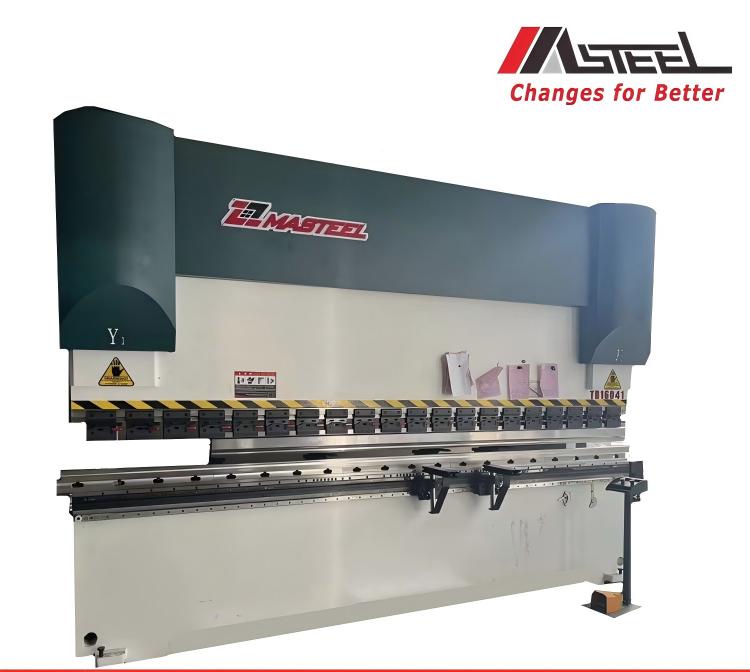
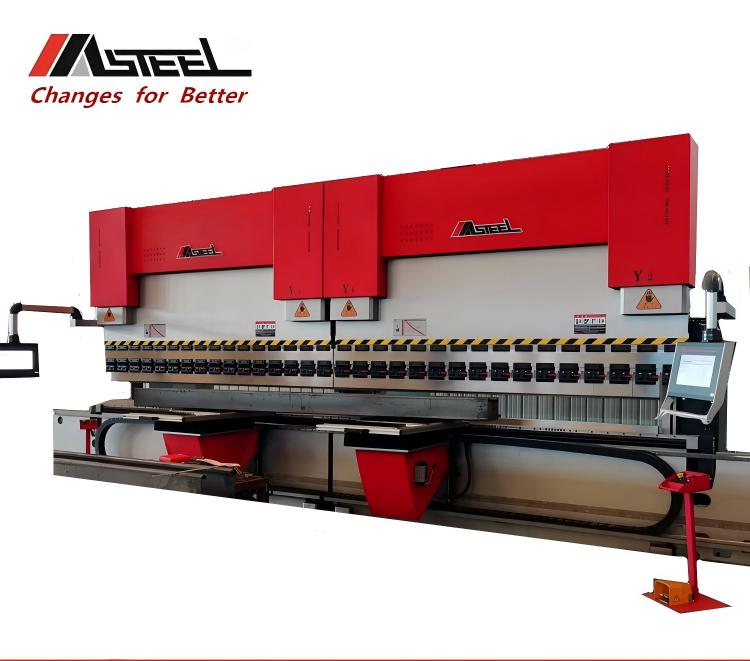
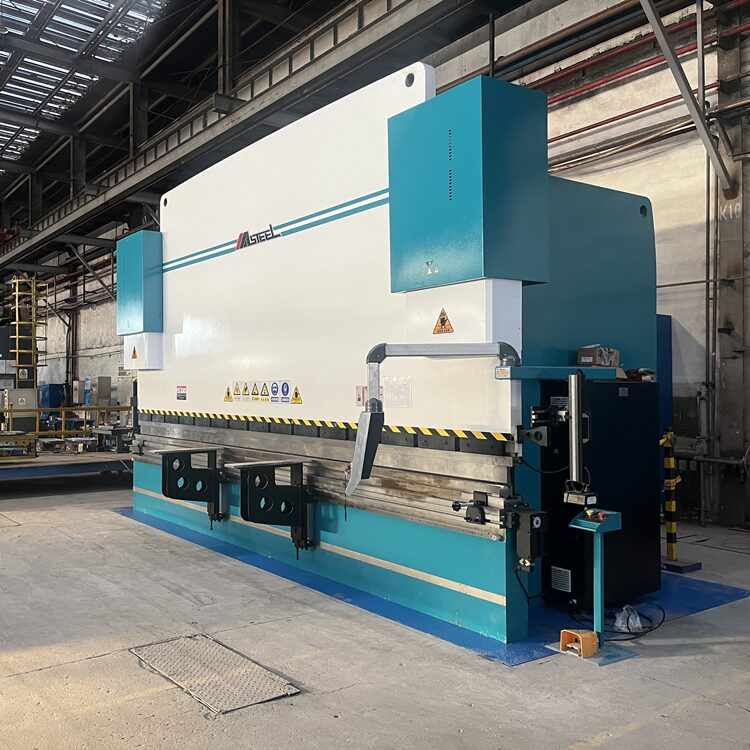
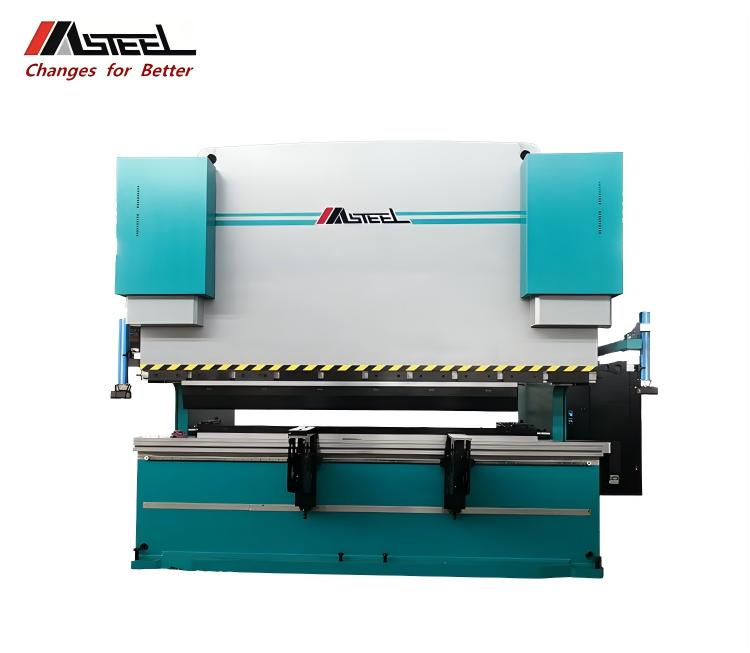
- Masteel Electro-Hydraulic Servo CNC Press Brake
- A practical comparison point for factories deciding between automated panel bending and conventional CNC press brake capacity.